

In today’s fast-paced and demanding world, it’s not uncommon for individuals to experience burnout. Whether it’s due to the pressures of work, personal responsibilities, or a combination of both, recognizing the signs of burnout is crucial in order to prevent it from taking a toll on your mental and physical health. By being mindful of warning signals such as chronic fatigue, decreased productivity, and emotional exhaustion, you can take proactive steps to prioritize self-care and create a healthy work-life balance. In this article, we will explore effective strategies to identify signs of burnout and discuss practical tips to prevent it from overwhelming your life. So, let’s get started on this journey to self-care and well-being together!

Understanding Burnout
Definition of burnout
Burnout is a state of chronic physical and emotional exhaustion, often caused by prolonged work-related stress. It is characterized by a sense of detachment, cynicism, and a feeling of being overwhelmed or unable to meet the demands of one’s job or personal life.
Causes of burnout
Burnout can be caused by a variety of factors, including excessive workload, lack of control or autonomy, long working hours, a hostile work environment, conflicting expectations, and a mismatch between personal values and organizational goals.
Impact of burnout on individuals
Burnout can have severe consequences on an individual’s overall well-being. It can lead to physical symptoms such as fatigue, headaches, and insomnia, as well as emotional symptoms like irritability, anxiety, and depression. Burnout can also negatively affect one’s performance at work, relationships, and overall quality of life.
Recognizing Signs of Burnout
Physical signs of burnout
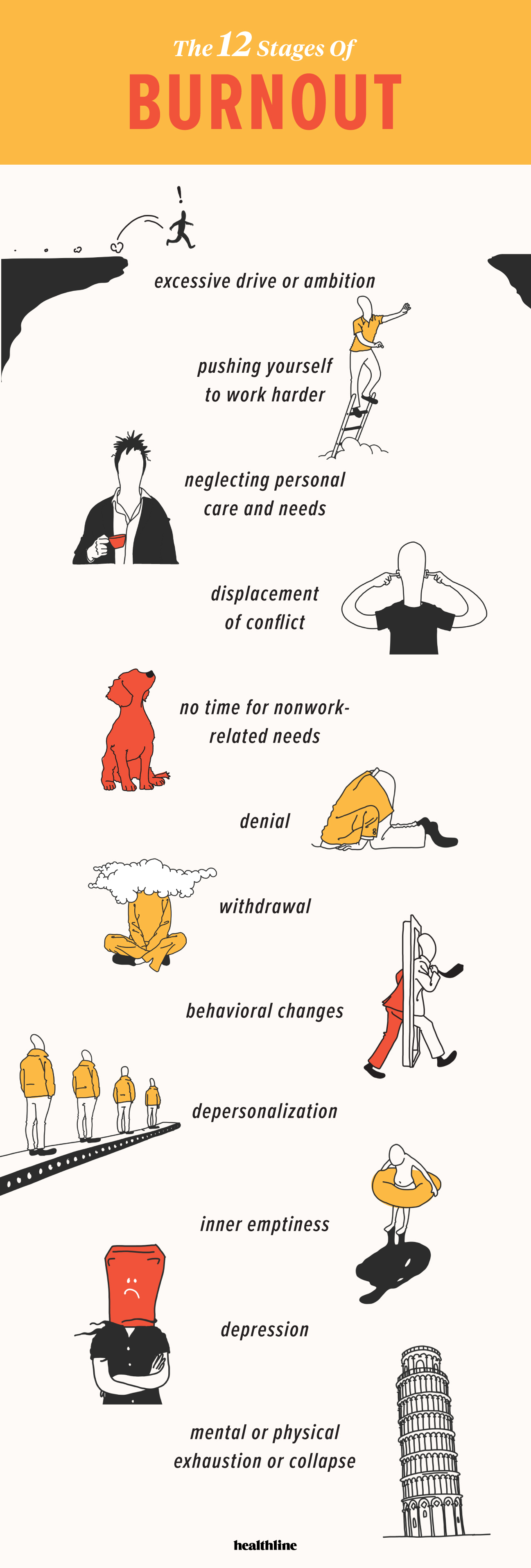
Physical signs of burnout may include chronic fatigue, frequent headaches, muscle tension or pain, changes in appetite or weight, and a weakened immune system. Individuals experiencing burnout may also suffer from sleep disturbances, such as insomnia or hypersomnia.
Emotional signs of burnout
Emotional signs of burnout can manifest as feelings of apathy, cynicism, and detachment. Individuals may become emotionally exhausted, experience mood swings, and have a decreased sense of accomplishment or satisfaction in their work. They may also have difficulty concentrating and making decisions.
Behavioral signs of burnout
Behavioral signs of burnout can include increased absenteeism, decreased productivity and performance, withdrawal from social activities, and conflicts with coworkers or supervisors. Individuals may also engage in unhealthy coping mechanisms, such as excessive alcohol or drug use.
Cognitive signs of burnout
Cognitive signs of burnout can be observed through impaired memory and concentration, decreased creativity and problem-solving abilities, and a negative or pessimistic mindset. Individuals may also experience a sense of loss of control and have difficulty seeing the bigger picture.
Preventing Burnout
Setting boundaries
Setting boundaries is crucial to prevent burnout. Learn to say no to tasks or projects that exceed your capacity. Establish clear expectations with supervisors and colleagues regarding workload, deadlines, and work hours. Communicate your limits and negotiate for a manageable workload.
Maintaining a healthy work-life balance
Maintaining a healthy work-life balance is essential for preventing burnout. Ensure that you allocate sufficient time for activities outside of work, such as hobbies, exercise, spending time with loved ones, and pursuing personal interests. Create a schedule that allows for adequate rest and relaxation.
Identifying and managing stressors
Identify the specific stressors that contribute to burnout in your life and develop strategies to manage them effectively. This may involve delegating tasks, improving time management skills, or seeking support from colleagues or supervisors. Find healthy ways to cope with stress, such as engaging in regular exercise or practicing relaxation techniques.
Taking time for self-care
Self-care is crucial in preventing burnout. Engage in activities that promote relaxation and rejuvenation, such as taking a hot bath, practicing meditation or mindfulness, journaling, or engaging in creative outlets. Prioritize self-care and make it a non-negotiable part of your routine.
Practicing mindfulness and relaxation techniques
Practicing mindfulness and relaxation techniques can help reduce stress and prevent burnout. Techniques such as deep breathing exercises, guided imagery, progressive muscle relaxation, and meditation can help calm the mind and promote a sense of well-being. Incorporate these practices into your daily routine.
Seeking social support
Seeking social support can provide a valuable outlet for stress and prevent burnout. Share your feelings and experiences with trusted friends, family members, or colleagues. Seek support from professional networks or support groups. Engaging in social activities and maintaining strong relationships can also provide a sense of connection and support.
Seeking Professional Help
Recognizing the need for professional help
Recognizing when professional help is necessary is an important step in addressing burnout. If your symptoms persist despite self-help strategies, impact your daily functioning, or cause significant distress, it may be beneficial to seek the guidance of a mental health professional.
Consulting a therapist or counselor
Consulting a therapist or counselor can provide valuable support and guidance in managing burnout. A trained professional can help you identify and address underlying factors contributing to burnout, develop coping strategies, and provide a safe space for exploring and processing emotions.
Exploring different treatment options
Various treatment options are available to address burnout, including cognitive-behavioral therapy (CBT), stress management techniques, and medication for symptoms such as anxiety or depression. Collaborate with your therapist or counselor to determine the most appropriate approach for your individual needs.
Developing Coping Strategies
Identifying personal coping mechanisms
Identify personal coping mechanisms that help alleviate stress and prevent burnout. This may include engaging in physical activity, practicing relaxation techniques, pursuing hobbies, connecting with nature, or engaging in creative outlets. Experiment with different strategies and identify what works best for you.
Developing problem-solving skills
Developing problem-solving skills can help alleviate stress and prevent burnout. Learn effective strategies for managing challenges and conflicts at work or in personal life. Develop a systematic approach to problem-solving and seek support or guidance when needed.
Improving time management
Improving time management skills can help prevent burnout by ensuring tasks are completed efficiently and effectively. Prioritize tasks, set realistic deadlines, and break larger tasks into smaller, manageable steps. Avoid overcommitting and learn to delegate or outsource tasks when possible.
Working on assertiveness and communication
Improving assertiveness and communication skills can reduce stress and prevent burnout. Learn to assertively communicate your needs, boundaries, and concerns in both professional and personal settings. Effective communication can facilitate better relationships and create a healthier work environment.
Creating a Supportive Work Environment
Establishing open communication
Establish open communication within the workplace to prevent burnout. Encourage dialogue between employees and supervisors, where concerns, ideas, and feedback can be openly shared. Foster a culture of transparency and respect, where individuals feel valued and heard.
Encouraging work-life balance
Promote work-life balance within the organization. Encourage employees to take breaks and vacations, establish flexible work schedules when feasible, and discourage a culture of overworking or presenteeism. Lead by example by maintaining a healthy work-life balance yourself.
Promoting stress-management programs
Promote stress-management programs within the workplace. Offer resources such as workshops or training on stress reduction techniques, mindfulness practices, and healthy coping strategies. Create a supportive environment where employees can openly discuss and seek support for stress-related concerns.
Recognizing and appreciating employee efforts
Recognize and appreciate employee efforts to prevent burnout. Show appreciation for their hard work and contributions through verbal recognition, rewards, or incentives. Regularly check in with employees to ensure they feel valued and acknowledged for their efforts.
.png "How Can Individuals Recognize Signs Of Burnout And Prevent It?")
Implementing Healthy Habits
Getting regular exercise
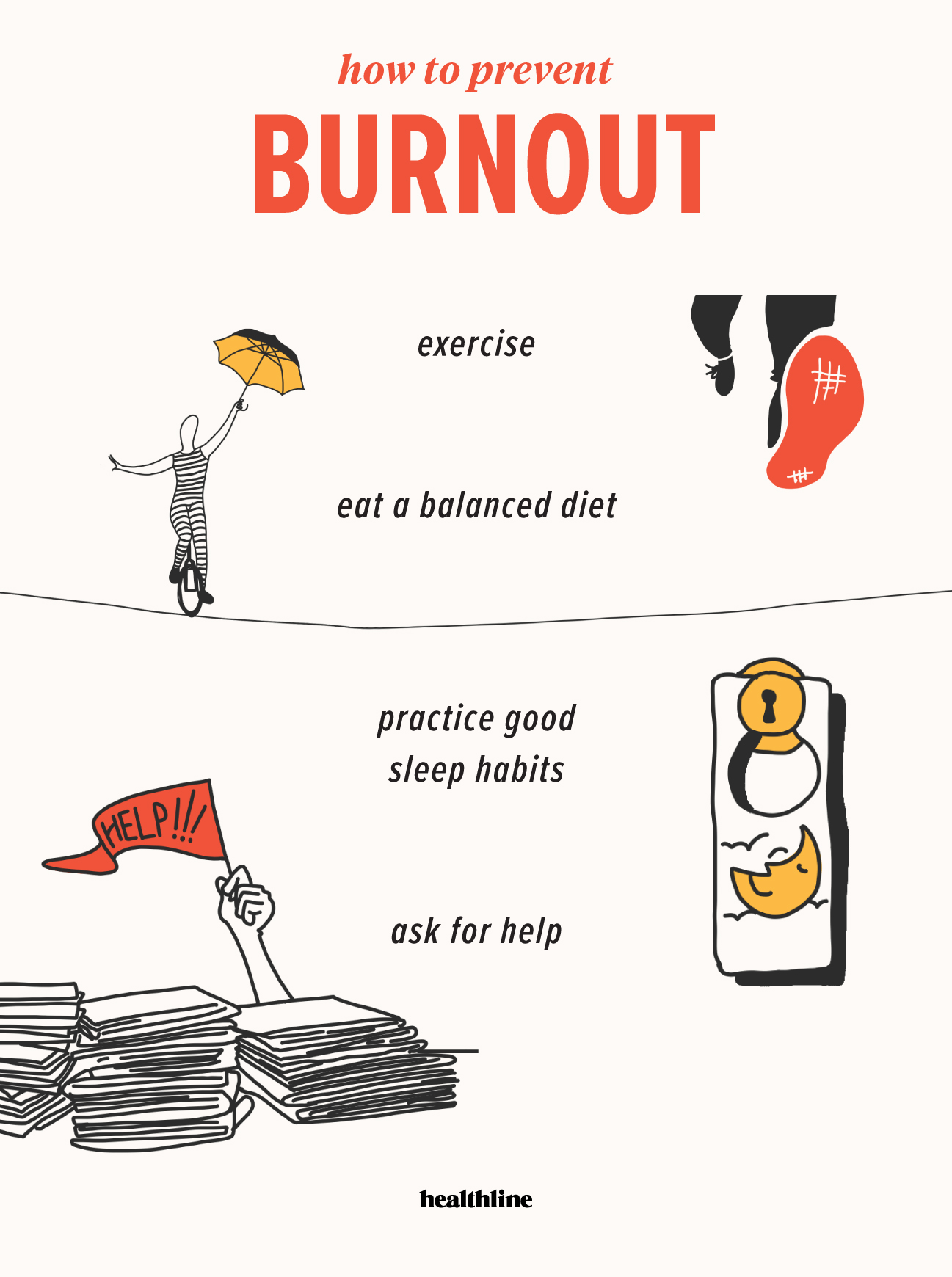
Regular exercise is essential in preventing burnout. Engage in physical activity that you enjoy, whether it’s going for a walk, practicing yoga, cycling, or any other form of exercise. Exercise releases endorphins, reduces stress, and promotes overall well-being.
Prioritizing sleep
Prioritize sleep to prevent burnout. Establish a regular sleep schedule and create a relaxing bedtime routine. Ensure your sleep environment is conducive to quality sleep, free from distractions and electronic devices. Aim for 7-9 hours of sleep each night to recharge and rejuvenate.
Eating a balanced diet
Maintain a balanced diet to support your overall well-being and prevent burnout. Consume a variety of nutrient-rich foods, including fruits, vegetables, whole grains, lean proteins, and healthy fats. Avoid excessive consumption of processed foods, sugary snacks, and caffeine, which can negatively impact energy levels and mood.
Avoiding excessive alcohol and caffeine
Be mindful of your alcohol and caffeine consumption to prevent burnout. Excessive alcohol intake can disrupt sleep and exacerbate stress. While caffeine may provide a temporary energy boost, excessive consumption can contribute to anxiety and sleep disturbances. Moderation is key.
Taking Breaks and Vacations
Importance of regular breaks
Regular breaks throughout the workday are essential for preventing burnout. Take short breaks to stretch, walk around, or engage in relaxation exercises. These breaks can help rejuvenate the mind, improve focus, and reduce physical and mental fatigue.
Planning and utilizing vacations effectively
Plan and utilize vacations effectively to prevent burnout. Take time off work to relax, recharge, and engage in activities you enjoy. Disconnect from work-related responsibilities during your vacation and delegate tasks to trusted colleagues. Use this time to pursue hobbies, spend time with loved ones, and explore new experiences.

Building Resilience
Developing a positive mindset
Developing a positive mindset can help build resilience and prevent burnout. Focus on gratitude, optimism, and finding the silver linings in challenging situations. Practice positive self-talk and reframe negative thoughts into more empowering and constructive perspectives.
Practicing gratitude
Practicing gratitude can foster resilience and prevent burnout. Regularly take the time to reflect on and appreciate the positive aspects of your life, both personal and professional. Express gratitude towards yourself and others, and incorporate gratitude practices into your daily routine.
Fostering optimism
Fostering optimism can enhance resilience and prevent burnout. Cultivate a belief in your ability to overcome challenges and bounce back from setbacks. Focus on solutions rather than dwelling on problems, and view challenges as opportunities for growth and learning.
Embracing change and flexibility
Embrace change and cultivate flexibility to prevent burnout. Recognize that change is a normal part of life and adaptability is a valuable skill. Approach change with an open mind, seek opportunities for growth, and develop strategies to cope effectively with transitions.
Promoting Work-Life Integration
Finding meaning and purpose in work
Finding meaning and purpose in your work can prevent burnout. Identify the aspects of your job that align with your values and contribute to a sense of fulfillment. Seek opportunities to make a positive impact and find joy in your professional endeavors.
Aligning personal values with professional goals
Aligning personal values with professional goals can help prevent burnout. Ensure that your work aligns with your personal values and represents who you are as an individual. Seek out opportunities that allow you to integrate your passions and strengths into your career.
Identifying personal priorities
Identify your personal priorities to prevent burnout. Reflect on what truly matters to you and allocate time and energy accordingly. Establish clear boundaries between your personal and professional life, and make choices that align with your priorities and values. Remember that saying no to non-essential commitments can allow you to say yes to what truly matters.
By understanding burnout, recognizing its signs, and implementing strategies for prevention, individuals can cultivate a healthier, more balanced and fulfilling life. It is crucial to prioritize self-care, seek professional help when necessary, and create a supportive work environment. By incorporating healthy habits, taking breaks and vacations, building resilience, and finding work-life integration, individuals can proactively prevent burnout and thrive in all aspects of their lives.