

As a dog owner, you may find yourself puzzled by your furry friend’s behavior at times. Understanding dog anxiety is crucial for fostering a healthy and happy environment for your pet. Just like humans, dogs can experience anxiety, which can manifest in various ways.
This emotional state can stem from a range of factors, including environmental changes, past traumas, or even genetic predispositions. Recognizing that your dog may be feeling anxious is the first step toward helping them cope with their feelings. Anxiety in dogs can be a complex issue, often requiring a multifaceted approach to address it effectively.
It’s essential to remember that each dog is unique, and their anxiety may present differently. Some dogs may become withdrawn and quiet, while others might exhibit hyperactive or destructive behaviors. By understanding the nuances of dog anxiety, you can better support your pet and create a more comfortable living space for them.
Key Takeaways
- Dog anxiety can be caused by various factors such as separation, aging, or trauma
- Signs of dog anxiety include excessive barking, destructive behavior, and aggression
- Traditional treatment options for dog anxiety include medication and behavioral therapy
- Natural remedies for dog anxiety can have benefits such as fewer side effects and a holistic approach
- Herbal remedies, essential oils, dietary changes, exercise, and behavior modification can all help alleviate dog anxiety
Signs and Symptoms of Dog Anxiety
Identifying the signs and symptoms of dog anxiety is vital for timely intervention. You might notice that your dog exhibits certain behaviors when they are feeling anxious. Common signs include excessive barking, whining, or howling, which can be distressing not only for you but also for your neighbors.
Additionally, you may observe your dog pacing back and forth or attempting to hide in small spaces, indicating that they are seeking comfort and security. Physical symptoms can also accompany anxiety in dogs. You might see your dog panting excessively, drooling more than usual, or even trembling.
These physical manifestations can be alarming, but they are often a direct response to stress or fear. If you notice these signs consistently, it’s essential to take action to help alleviate your dog’s anxiety and improve their overall well-being.
Causes of Dog Anxiety
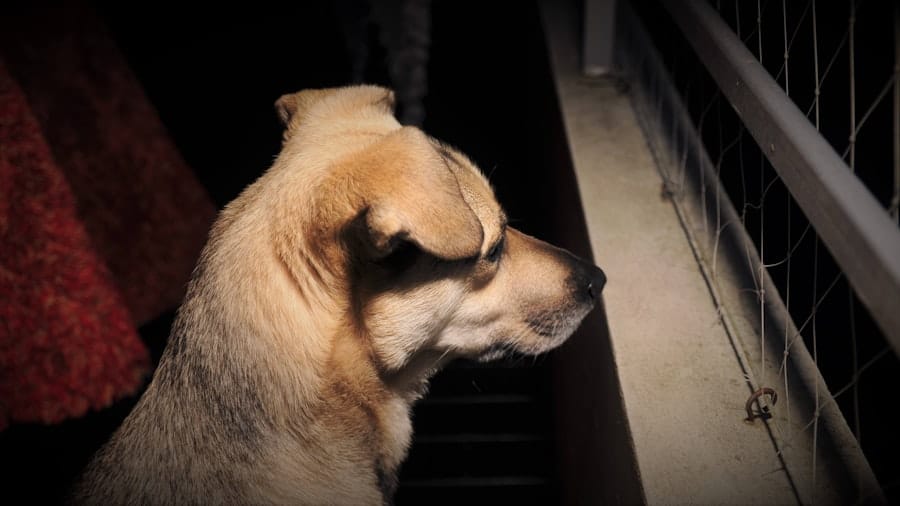
Understanding the root causes of dog anxiety can help you address the issue more effectively. Various factors can contribute to your dog’s anxious behavior. For instance, changes in their environment—such as moving to a new home, the arrival of a new family member, or even changes in your routine—can trigger anxiety.
Dogs are creatures of habit, and disruptions to their daily lives can lead to feelings of insecurity. Another common cause of anxiety in dogs is past trauma. If your dog has experienced abuse or neglect before coming into your care, they may carry emotional scars that manifest as anxiety.
Additionally, certain breeds are more predisposed to anxiety than others due to genetic factors. Understanding these causes can empower you to create a more stable environment for your dog and implement strategies to help them cope with their feelings.
Traditional Treatment Options for Dog Anxiety
When it comes to treating dog anxiety, traditional options often include behavioral therapy and medication. Behavioral therapy typically involves working with a professional trainer or behaviorist who can help you implement strategies to modify your dog’s behavior. This approach may include desensitization techniques, where your dog is gradually exposed to the source of their anxiety in a controlled manner, allowing them to build confidence over time.
In some cases, medication may be necessary to help manage your dog’s anxiety. Veterinarians can prescribe anti-anxiety medications that work by altering the chemical balance in your dog’s brain. While these medications can be effective in reducing anxiety symptoms, they are often most beneficial when used in conjunction with behavioral therapy.
It’s essential to consult with your veterinarian to determine the best course of action for your dog’s specific needs.
Benefits of Using Natural Remedies for Dog Anxiety
As you explore treatment options for your dog’s anxiety, you might consider natural remedies as an alternative or complement to traditional methods. One significant benefit of using natural remedies is that they often come with fewer side effects compared to pharmaceutical medications. Many pet owners prefer this approach because it aligns with their desire for holistic care for their furry companions.
Natural remedies can also promote overall well-being in addition to alleviating anxiety symptoms. For instance, herbal supplements and essential oils not only help calm anxious dogs but may also support their immune system and improve their overall health. By incorporating natural remedies into your dog’s routine, you can create a more balanced approach to managing their anxiety while enhancing their quality of life.
Herbal Remedies for Dog Anxiety
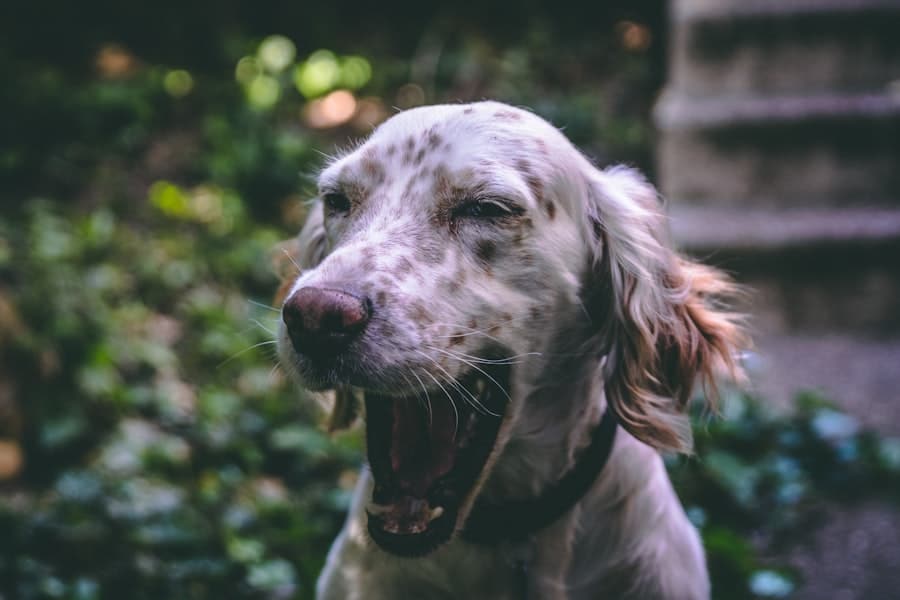
Herbal remedies have gained popularity among pet owners seeking natural solutions for dog anxiety. Various herbs have calming properties that can help soothe your dog’s nerves. For example, chamomile is well-known for its relaxing effects and can be given as a tea or in supplement form.
Valerian root is another herb that has been used for centuries to promote relaxation and reduce stress in both humans and animals. When considering herbal remedies for your dog, it’s essential to consult with a veterinarian who is knowledgeable about herbal medicine. They can guide you on appropriate dosages and potential interactions with any medications your dog may be taking.
By incorporating herbal remedies into your dog’s routine, you may find that they become more relaxed and better equipped to handle stressful situations.
Essential Oils for Dog Anxiety
Essential oils have become increasingly popular as a natural remedy for various ailments, including dog anxiety. Certain essential oils possess calming properties that can help alleviate stress in dogs. Lavender oil is one of the most commonly used oils for this purpose; its soothing scent can create a tranquil environment for your pet.
You might consider diffusing lavender oil in your home or applying it topically (diluted with a carrier oil) to help calm your anxious dog. However, it’s crucial to use essential oils safely around dogs. Some oils can be toxic to pets, so always do thorough research before introducing any new oil into your home.
Additionally, consult with a veterinarian who understands essential oils and their effects on animals. By using essential oils mindfully, you can create a calming atmosphere that supports your dog’s emotional well-being.
Dietary Changes for Dog Anxiety
Diet plays a significant role in your dog’s overall health and well-being, including their mental state. If you suspect that your dog is experiencing anxiety, consider evaluating their diet for potential improvements. Certain nutrients can have a calming effect on dogs; for instance, foods rich in omega-3 fatty acids—such as fish oil—can help reduce anxiety levels.
You might also explore incorporating specific supplements into your dog’s diet that are known to promote relaxation. Ingredients like L-theanine and tryptophan can support serotonin production, which helps regulate mood and reduce anxiety. By making thoughtful dietary changes, you can contribute positively to your dog’s mental health and overall happiness.
Exercise and Mental Stimulation for Dog Anxiety
Regular exercise and mental stimulation are vital components in managing dog anxiety effectively. Physical activity helps release pent-up energy and reduces stress levels in dogs. You might consider incorporating daily walks, playtime at the park, or engaging in interactive games that challenge your dog’s mind and body.
Mental stimulation is equally important; activities such as puzzle toys or training sessions can keep your dog’s mind engaged and focused on positive tasks rather than anxious thoughts. By providing both physical exercise and mental challenges, you create an environment where your dog feels secure and fulfilled, ultimately reducing their anxiety levels.
Behavior Modification for Dog Anxiety
Behavior modification techniques are essential tools in addressing dog anxiety effectively. These methods focus on changing specific behaviors associated with anxiety through positive reinforcement training. For example, if your dog becomes anxious during thunderstorms, you might gradually expose them to recorded thunder sounds at a low volume while rewarding them with treats when they remain calm.
Consistency is key when implementing behavior modification strategies; it requires patience and dedication on your part as an owner. Over time, these techniques can help reshape your dog’s response to anxiety-inducing situations, allowing them to develop healthier coping mechanisms.
Seeking Professional Help for Severe Dog Anxiety
In some cases, dog anxiety may be severe enough that professional intervention is necessary. If you’ve tried various methods without success or if your dog’s anxiety significantly impacts their quality of life, seeking help from a veterinarian or certified animal behaviorist is crucial. These professionals can assess your dog’s specific situation and recommend tailored treatment plans that may include medication or specialized training programs.
Remember that addressing severe anxiety takes time and commitment; it’s essential to remain patient throughout the process. With the right support and resources, you can help your furry friend overcome their anxiety challenges and lead a happier life filled with love and companionship.
If you’re exploring natural remedies for dog anxiety, you might find the article on natural calming supplements particularly insightful. This piece delves into various supplements that can help alleviate anxiety symptoms, not just in humans but potentially in pets as well. Understanding the benefits and applications of these natural options can be a valuable step in managing your dog’s anxiety effectively and holistically.
FAQs
What is dog anxiety?
Dog anxiety refers to the stress or fear that dogs experience in response to certain situations or triggers. This can manifest in various ways, such as excessive barking, destructive behavior, or withdrawal.
What are the common causes of dog anxiety?
Common causes of dog anxiety include separation from their owner, loud noises (such as thunderstorms or fireworks), changes in routine, or past traumatic experiences.
What are natural remedies for dog anxiety?
Natural remedies for dog anxiety include exercise, calming supplements (such as chamomile or valerian root), aromatherapy, and behavioral training techniques. It’s important to consult with a veterinarian before trying any natural remedies to ensure they are safe for your dog.
How can exercise help with dog anxiety?
Regular exercise can help reduce dog anxiety by releasing endorphins, which are natural mood elevators. Physical activity also helps to tire out the dog, reducing excess energy that can contribute to anxiety.
Can aromatherapy help with dog anxiety?
Aromatherapy, using essential oils such as lavender or chamomile, can have a calming effect on dogs. However, it’s important to use caution and consult with a veterinarian, as some essential oils can be toxic to dogs.
What are some behavioral training techniques for dog anxiety?
Behavioral training techniques for dog anxiety include desensitization, counter-conditioning, and creating a safe space for the dog to retreat to when feeling anxious. These techniques should be implemented with the guidance of a professional dog trainer or behaviorist.