

In today’s fast-paced world, stress has become an inevitable part of our lives, taking a toll on both our physical and mental well-being. One common yet often overlooked consequence of stress is the impact it has on our hair and skin. From acne breakouts to hair loss, stress can wreak havoc on our appearance, leaving us feeling self-conscious and unhappy. But fear not, because in this article, we will explore some effective ways for individuals to cope with stress-related hair and skin issues. So sit back, relax, and get ready to discover simple yet powerful techniques to regain that healthy, glowing look you deserve.
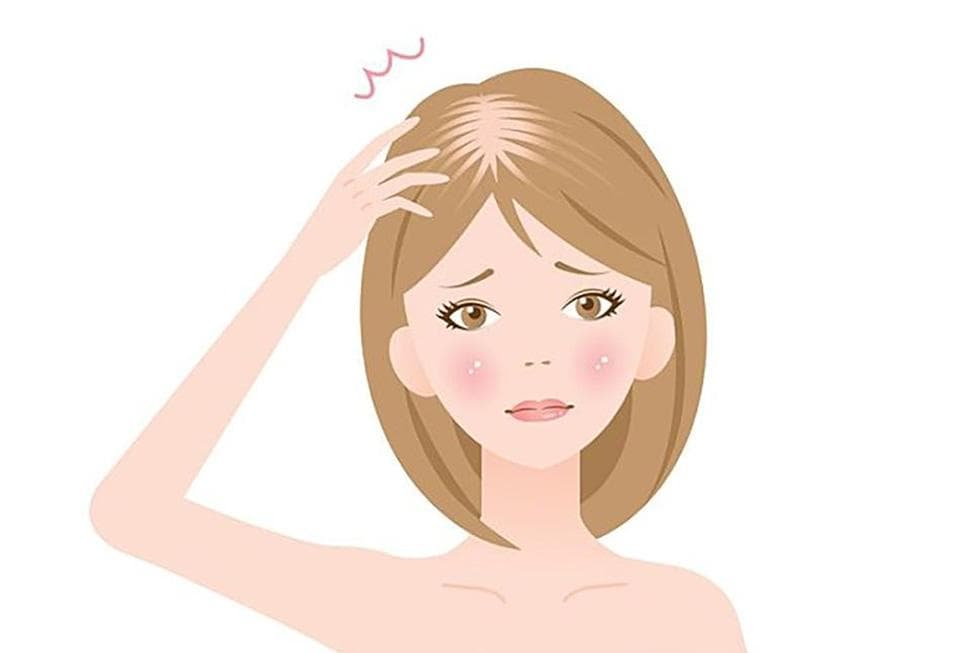
Understanding the Impact of Stress on Hair and Skin
The Role of Stress in Hair Loss
Stress can have a significant impact on hair loss. When you are under stress, your body releases stress hormones, such as cortisol, which can disrupt the normal hair growth cycle. This disruption can lead to increased shedding and thinning of the hair. Additionally, stress can also lead to a condition called telogen effluvium, where a large number of hair follicles enter the resting phase prematurely, causing hair loss.
The Effects of Stress on Skin Health
Stress can also affect the health of your skin. When you are stressed, your body produces more oil, which can lead to clogged pores and increased acne breakouts. Stress can also worsen existing skin conditions, such as eczema or psoriasis, leading to flare-ups and increased inflammation. Furthermore, stress can impair the skin’s ability to repair itself, resulting in a dull complexion and slower healing of wounds or blemishes.
Common Hair and Skin Issues Related to Stress
Some common hair and skin issues that can be related to stress include hair loss, thinning hair, acne breakouts, eczema or psoriasis flare-ups, dry and irritated scalp, rashes, and skin inflammation. These issues can have a significant impact on your self-esteem and overall well-being. It is important to address these issues and implement strategies to manage stress effectively.
Implementing Stress Management Strategies
Practicing Relaxation Techniques
Engaging in relaxation techniques such as deep breathing, meditation, and yoga can help reduce stress levels. These techniques promote relaxation and can help calm your mind and body. Additionally, incorporating activities like aromatherapy or listening to soothing music can further enhance the relaxation response.
Engaging in Physical Activity
Regular physical activity not only benefits your overall health but can also help reduce stress. Exercise releases feel-good hormones called endorphins, which can boost your mood and alleviate stress. Aim for at least 30 minutes of moderate-intensity exercise most days of the week, such as walking, jogging, or cycling.
Getting Sufficient Sleep
Adequate sleep is essential for your physical and mental well-being. When you are sleep-deprived, your body produces more stress hormones, which can worsen stress-related hair and skin issues. Establish a consistent sleep routine and create a sleep-friendly environment to ensure you get the recommended 7-9 hours of sleep each night.
Maintaining a Balanced Diet
A healthy diet plays a crucial role in managing stress and promoting hair and skin health. Include a variety of fruits, vegetables, whole grains, lean proteins, and healthy fats in your meals. Incorporate foods rich in vitamins and minerals, such as vitamin C, vitamin E, zinc, and omega-3 fatty acids, which are beneficial for hair growth and skin health.
Limiting Alcohol and Caffeine Intake
While it may be tempting to turn to alcohol or caffeine when feeling stressed, these substances can actually exacerbate stress-related hair and skin issues. Alcohol can dehydrate the body and deprive the skin of essential nutrients, while excessive caffeine consumption can increase cortisol levels. Limit your alcohol intake and opt for herbal teas or decaffeinated beverages instead.
Seeking Social Support
Having a strong support system is crucial for managing stress. Reach out to friends, family, or support groups to share your feelings and experiences. Talking to others who can offer empathy and understanding can make a significant difference in reducing stress levels and improving your overall well-being.

Establishing a Hair and Skin Care Routine
Using Gentle Cleansers and Moisturizers
When it comes to hair and skin care, it’s important to choose gentle cleansers and moisturizers that won’t further irritate or dry out your hair and skin. Look for products that are free of harsh chemicals, fragrance-free, and suitable for your specific hair and skin type. Additionally, avoid overwashing your hair and skin, as this can strip away natural oils and exacerbate existing issues.
Avoiding Harsh Hair and Skin Products
Certain hair and skin products can contain ingredients that may be too harsh for your hair and skin, especially when you are already dealing with stress-related issues. Avoid products that contain sulfates, parabens, and other irritants. Opt for natural or organic alternatives that are known to be gentler on the hair and skin.
Protecting Your Hair and Skin
Protecting your hair and skin from external stressors is essential. Wear a hat or use an umbrella when exposed to the sun to prevent UV damage. Apply a broad-spectrum sunscreen with SPF 30 or higher to protect your skin from harmful sun rays. When it comes to your hair, consider using heat protectant sprays before styling with hot tools and limit the use of heat styling to prevent damage.
Incorporating Anti-Stress Ingredients
Some hair and skin care products contain anti-stress ingredients that can help improve the overall health and appearance of your hair and skin. Look for ingredients such as chamomile, lavender, aloe vera, green tea extract, or niacinamide, which have calming and soothing properties. These ingredients can help mitigate the effects of stress on your hair and skin.
Taking Care of Hair
Avoiding Excessive Heat Styling
Excessive heat styling can damage your hair and make it more prone to breakage. Limit the use of hot tools such as flat irons, curling irons, and blow dryers. When using these tools, always apply a heat protectant spray and use the lowest heat setting necessary. Consider embracing heatless hairstyles or air drying your hair whenever possible.
Choosing Hair Products Carefully
Selecting the right hair products can make a significant difference in managing stress-related hair issues. Opt for shampoos and conditioners that are specifically formulated for your hair type and concerns. Look for products that promote hydration, strengthen the hair, and prevent breakage. Furthermore, avoid using excessive amounts of styling products, as they can weigh down the hair and make it appear greasy or dull.
Regular Scalp Massage
Massaging your scalp regularly can promote blood circulation and stimulate hair growth. Gently use your fingertips to massage your scalp for a few minutes each day. This simple technique can help relax your scalp muscles and reduce tension, contributing to healthier hair.
Avoiding Tight Hairstyles
Tight hairstyles, such as ponytails, buns, or braids, can pull on the hair follicles and cause damage or breakage. Opt for looser hairstyles or consider using hair-friendly accessories, like scrunchies or hair clips, that won’t put excessive strain on your hair. Giving your hair breaks from tight styles can help reduce stress on your hair and scalp.
Avoiding Overbrushing
Brushing your hair is important for detangling and distributing natural oils from the scalp. However, excessive brushing can cause hair breakage, especially when your hair is already stressed. Use a wide-toothed comb or a brush with soft bristles to gently detangle your hair. Avoid brushing your hair when it is wet, as it is more vulnerable to breakage.

Maintaining Healthy Skin
Keeping Your Skin Clean
Maintaining clean skin is crucial for preventing acne breakouts and maintaining overall skin health. Wash your face twice a day with a mild cleanser that suits your skin type. Avoid harsh scrubbing or using rough washcloths, as this can irritate the skin. Instead, use gentle circular motions with your fingertips to cleanse your face effectively.
Exfoliating Regularly
Exfoliation helps remove dead skin cells and unclog pores, promoting a smoother and brighter complexion. Choose a gentle exfoliating scrub or a chemical exfoliant that suits your skin type. Be mindful not to over-exfoliate, as this can cause irritation and damage to your skin. Aim to exfoliate 1-2 times a week to maintain healthy skin.
Moisturizing Properly
Proper hydration is essential for maintaining healthy skin. After cleansing and exfoliating, apply a suitable moisturizer to lock in moisture and keep your skin hydrated. Look for moisturizers that are non-comedogenic and suited to your specific skin type. If you have oily skin, opt for lightweight, oil-free moisturizers, while those with dry skin may benefit from richer, more emollient formulas.
Protecting Your Skin from the Sun
Sun protection is crucial for preventing skin damage and premature aging. Apply a broad-spectrum sunscreen with an SPF of at least 30 to all exposed areas of your skin before heading outdoors. Reapply sunscreen every two hours or more frequently if you are sweating or swimming. Additionally, seek shade during peak sun hours and wear protective clothing, such as hats and sunglasses.
Using Suitable Makeup
If you wear makeup, choose products that are non-comedogenic, oil-free, and suitable for your skin type. Heavy or greasy makeup can clog pores and worsen stress-related skin issues. Look for lightweight formulas and consider mineral makeup, which is often less likely to irritate the skin. Be sure to remove your makeup thoroughly before bed to allow your skin to breathe and repair overnight.
Addressing Specific Hair and Skin Issues
Managing Hair Loss
If you are experiencing significant hair loss related to stress, it is important to consult with a dermatologist or a medical professional. They can assess the underlying cause of your hair loss and recommend appropriate treatments. Options may include medications, topical treatments, or procedures such as platelet-rich plasma therapy or hair transplant surgery. Additionally, managing stress levels and implementing healthy lifestyle habits can also help improve hair growth.
Treating Acne Breakouts
Stress-related acne breakouts can be frustrating, but there are effective treatments available. Over-the-counter acne medications containing ingredients such as benzoyl peroxide or salicylic acid can help reduce inflammation and unclog pores. If over-the-counter treatments are not effective, consult with a dermatologist for prescription-strength medications or other treatments, such as topical retinoids or oral antibiotics.
Dealing with Eczema or Psoriasis
Stress can worsen symptoms of eczema or psoriasis, but there are strategies to manage these conditions. Moisturizing regularly is essential to keep the skin hydrated and prevent flare-ups. Avoid triggers such as harsh soaps, hot water, or certain fabrics that can aggravate the condition. Use over-the-counter or prescription corticosteroid creams to reduce inflammation and itchiness. Phototherapy and other treatments may also be recommended by a dermatologist.
Coping with Dry and Irritated Scalp
To soothe a dry and irritated scalp, opt for a gentle and moisturizing shampoo and conditioner designed for sensitive scalps. Avoid products with harsh chemicals or fragrance that can further irritate the scalp. Use lukewarm water to wash your hair instead of hot water, as hot water can strip away natural oils and worsen dryness. Applying a scalp oil or natural remedies like tea tree oil or aloe vera gel can also help alleviate the irritation.
Soothing Rashes and Skin Inflammation
If you experience rashes or skin inflammation due to stress, it’s important to identify the triggers and avoid them whenever possible. Keep the affected area clean and dry, and avoid scratching or rubbing the rash, as it can worsen the inflammation. Applying a gentle and soothing moisturizer or a cold compress can help alleviate symptoms. If the rash persists or worsens, consult with a dermatologist for a proper diagnosis and treatment plan.

Professional Interventions
Consulting a Dermatologist
If you are struggling with stress-related hair and skin issues, it can be beneficial to consult with a dermatologist. A dermatologist can assess your specific concerns, recommend appropriate treatments, and provide professional guidance tailored to your needs. They may offer medical treatments, prescribe medications, or suggest procedures that can help address your specific issues effectively.
Seeking Hair Loss Treatment
For individuals experiencing severe hair loss related to stress, seeking hair loss treatment from a professional can be beneficial. Hair loss treatments can vary depending on the underlying cause and severity of the hair loss. These treatments may include topical medications, oral medications, laser therapy, or hair restoration procedures. A healthcare professional can guide you in choosing the most suitable treatment option for your specific situation.
Exploring Medicated Skincare Options
If over-the-counter skincare products are not providing the desired results for stress-related skin issues, it may be worth exploring medicated skincare options. Dermatologists can prescribe prescription-strength topical medications or oral medications that can effectively target the root cause of your specific skin concern. They can provide personalized treatment plans based on your skin type and condition.
Considering Therapies like Laser Treatment
Laser treatments can be beneficial for promoting hair growth and improving the overall health of your hair and skin. Low-level laser therapy (LLLT) has shown promising results in stimulating hair growth and reducing inflammation. Laser treatments for the skin, such as laser resurfacing or photorejuvenation, can help improve the appearance of the skin and promote collagen production. Consult with a healthcare professional to determine if laser treatments are suitable for you.
Getting Professional Hair and Skin Treatments
Professional hair and skin treatments can provide effective solutions for stress-related issues. Treatments such as deep conditioning treatments, scalp treatments, facials, chemical peels, or microdermabrasion can help address specific concerns and rejuvenate your hair and skin. Consider scheduling regular appointments with professionals who specialize in hair and skin care to benefit from their expertise and targeted treatments.
Practicing Self-Care and Stress Reduction Techniques
Engaging in Relaxing Activities
Engaging in activities that help you relax can be incredibly beneficial for managing stress-related hair and skin issues. Find activities that bring you joy and allow you to unwind. This can include reading, listening to music, gardening, taking long walks in nature, or practicing hobbies that you enjoy. Make time for these activities regularly to help reduce stress levels and promote a sense of well-being.
Practicing Mindfulness and Meditation
Mindfulness and meditation techniques can help you become more aware of the present moment and reduce stress. Consider incorporating mindfulness exercises or guided meditation into your daily routine. These practices can help calm your mind, reduce anxiety, and promote a positive outlook. Apps or online resources can provide guidance for beginners.
Taking Breaks and Resting
In today’s fast-paced world, it’s important to prioritize rest and relaxation. Take regular breaks throughout the day to rest your mind and body. Practice deep breathing exercises or stretch your body during these breaks. Additionally, ensure you are getting enough sleep each night to allow your body to rest and recover from daily stressors.
Pursuing Hobbies and Interests
Engaging in hobbies and interests that bring you joy can help alleviate stress and improve your overall well-being. Whether it’s painting, playing an instrument, cooking, or any other activity you enjoy, make time for it regularly. Hobbies can provide a much-needed mental break and serve as a creative outlet to channel your energy positively.
Setting Realistic Goals
Setting realistic goals is essential for managing stress and avoiding unnecessary pressure. Break larger tasks or goals into smaller, more manageable steps. This approach allows you to focus on one task at a time and reduces feelings of overwhelm. Celebrate your achievements along the way, no matter how small, to help boost your confidence and maintain a positive mindset.

Understanding When to Seek Help
Recognizing Severe Hair and Skin Symptoms
While stress-related hair and skin issues can be managed with lifestyle changes, it’s important to recognize when symptoms become severe or persistent. If you notice excessive hair loss, severe acne, persistent eczema or psoriasis flare-ups, or any other concerning symptoms, it’s essential to seek professional advice. A dermatologist or healthcare professional can evaluate your condition and provide appropriate treatment options.
Signs of Chronic Stress
Chronic stress can have a significant impact on both your hair and skin. Signs of chronic stress include persistent fatigue, irritability, mood swings, difficulty concentrating, insomnia, and changes in appetite. If you experience these symptoms along with ongoing hair and skin issues, it may be beneficial to consult with a healthcare professional who can provide guidance and support.
Knowing When to Consult a Professional
If stress-related hair and skin issues are significantly affecting your quality of life or self-esteem, it may be time to consult with a professional. A healthcare provider or dermatologist can assess your situation, provide an accurate diagnosis, and recommend appropriate treatment options. They can offer expert advice and support tailored to your specific needs.
Conclusion
Taking control of stress-related hair and skin issues requires a comprehensive approach that addresses both the underlying stress and the specific concerns affecting your hair and skin. By implementing stress management strategies, establishing a hair and skin care routine, and seeking professional interventions when necessary, you can effectively manage stress-related symptoms and promote overall well-being. Remember to practice self-care, remain consistent in your efforts, and maintain a positive mindset throughout your journey to healthier hair and skin. With dedication and patience, you can conquer stress-related hair and skin issues and achieve a happier, healthier you.