

In today’s fast-paced and interconnected world, stress has become an inevitable part of our daily lives. We all experience it, but have you ever wondered why some people seem to handle stress better than others? The answer lies in the power of community and social connections. Studies have shown that having a strong support system and meaningful relationships can significantly boost an individual’s resilience to stress. In this article, we will explore how these connections play a crucial role in helping us navigate the challenges of life and thrive in the face of adversity. So, let’s dive in and discover the fascinating link between community, social connections, and our ability to handle stress.
The Importance of Community and Social Connections
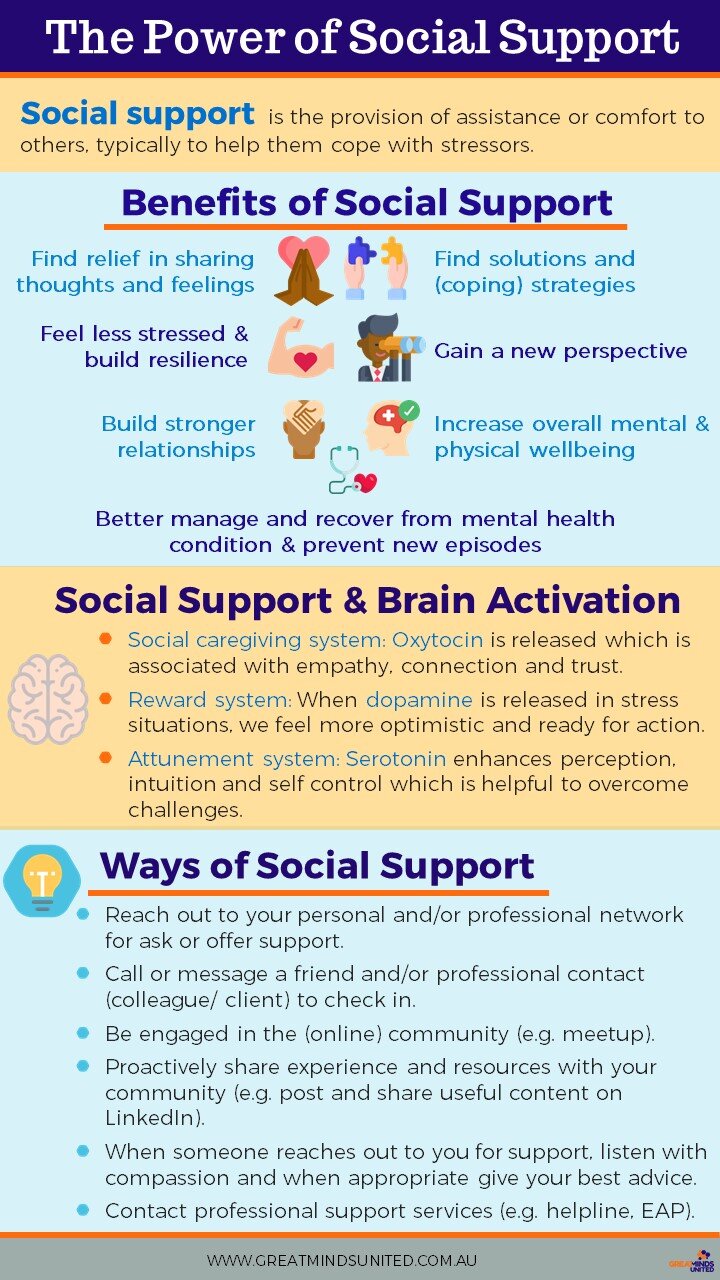
In today’s fast-paced and interconnected world, building and maintaining strong relationships within our community is more important than ever. Community and social connections play a crucial role in enhancing an individual’s resilience to stress. By fostering a sense of belonging and providing access to invaluable social support networks, these connections can help individuals cope with adversity and lead healthier, more balanced lives.
Building a Support System
One of the key benefits of community and social connections is the establishment of a robust support system. When faced with challenges or stressful situations, having a network of friends, family, and individuals who genuinely care about your well-being can make a world of difference. This support system can provide emotional support, practical help, and a safe space to express thoughts and feelings, ultimately contributing to greater resilience.
Social Support and Stress Reduction
Studies have consistently shown that social support is closely linked to reduced stress levels. When individuals feel connected to others and have someone to turn to during challenging times, the burden of stress is shared and subsequently lessened. This support can come in various forms, such as offering advice, providing a listening ear, or simply being there as a source of comfort. By having this social cushion, individuals can better navigate stress and bounce back from adversities.
The Role of Social Connections in Resilience
Resilience refers to the ability to adapt and recover from adversity, and social connections play a vital role in strengthening this trait in individuals. Through social connections, individuals can develop enhanced coping mechanisms and experience a reduced perception of stress, ultimately increasing their overall resilience.
Enhanced Coping Mechanisms
Being a part of a community and having strong social connections exposes individuals to a diverse range of perspectives and coping strategies. Interacting with others who have overcome similar challenges can provide valuable insights and inspiration, allowing individuals to adopt effective coping mechanisms. This exchange of experiences and strategies promotes personal growth, leading to enhanced resilience and the ability to tackle future stressors more effectively.

Reduced Perceived Stress
Perceived stress refers to an individual’s subjective assessment of the stress they experience. Social connections have been found to reduce perceived stress levels by serving as a buffer and providing emotional support. When individuals have someone to share their concerns and worries with, they often feel better equipped to handle stressors. This emotional support can alleviate the perceived burden of stress, leading to a more resilient mindset and improved overall well-being.
Effects of Social Isolation on Resilience
Conversely, experiencing social isolation or a lack of meaningful social connections can have adverse effects on an individual’s resilience. When individuals feel isolated and disconnected, they often become more vulnerable to stress and struggle to manage their emotions effectively.
Increased Vulnerability to Stress
Without a strong support network to rely on, individuals may feel overwhelmed and face significant difficulties when confronting stressors. The absence of social connections leaves individuals to face adversity on their own, increasing their vulnerability to stress and diminishing their ability to bounce back from challenges.
Negative Impact on Mental and Physical Health
Social isolation not only affects an individual’s resilience but also has detrimental effects on their mental and physical health. Chronic loneliness resulting from a lack of social connections has been linked to increased rates of depression, anxiety, and even physical health problems such as cardiovascular diseases and weakened immune systems. The negative impact of social isolation emphasizes the importance of fostering community and social connections for overall well-being.
Community Involvement and Resilience
Community involvement goes beyond merely establishing connections; it involves actively engaging with and contributing to one’s local community. This active participation can have profound effects on an individual’s resilience, fostering a sense of belonging and providing access to valuable resources.

Sense of Belonging
Belonging to a community and actively participating in its activities creates a sense of belonging that can significantly boost resilience. When individuals feel like they are part of something larger than themselves, they derive a sense of purpose and support from their community. This feeling of belonging strengthens their resilience by providing a sense of stability and connection in times of adversity.
Access to Resources
Communities often provide a wide range of resources, including educational programs, healthcare services, and employment opportunities. Active community involvement allows individuals to tap into these resources, which can greatly enhance their ability to cope with stressors and ultimately build resilience. Whether it is accessing job training programs during times of unemployment or utilizing support services during a personal crisis, the resources available through community involvement can make a significant difference in an individual’s resilience.
Types of Community Connections
Community connections can take various forms, each offering unique benefits. Whether through formal organizations, religious or spiritual communities, or sports clubs and recreational groups, individuals can find avenues to build social connections based on their interests and values.
Neighborhood Associations
Neighborhood associations provide a platform for individuals to connect with their neighbors, jointly address local concerns, and foster a sense of community. By participating in neighborhood events, individuals can forge new friendships and strengthen their support network within their immediate surroundings.
Religious or Spiritual Communities
Religious or spiritual communities offer individuals the opportunity to connect with others who share their beliefs, values, and experiences. These communities often provide a supportive environment where individuals can find like-minded individuals to lean on during challenging times, strengthening their overall resilience.

Sports Clubs and Recreational Groups
Participating in sports clubs and recreational groups not only promotes physical well-being but also fosters social connections. By engaging in activities with others who share common interests, individuals can build strong bonds, promote teamwork, and develop a sense of camaraderie that can contribute to their resilience.
The Role of Social Support Networks
Social support networks encompass various relationships, including family support, friendship networks, and even virtual communities formed online. Each type of social support network plays a unique role in enhancing an individual’s resilience.
Family Support
Close family relationships often serve as the foundational support network for individuals. The bond with family members provides a strong foundation of trust, understanding, and unconditional love, making it a vital source of emotional support during challenging times. Family support significantly contributes to an individual’s resilience by fostering a sense of security and belonging.
Friendship Networks
Friendship networks consist of close friends who support and uplift each other. Friendship groups provide individuals with a sense of camaraderie, empathy, and shared experiences. Being able to rely on a network of trusted friends during difficult times can minimize the impact of stress and promote resilience.
Online Communities
In the digital age, online communities have gained prominence as an avenue for social connections. Online platforms provide individuals with an opportunity to connect with like-minded individuals across the globe, sharing stories, offering support, and fostering a sense of belonging. These virtual communities can provide valuable emotional support, particularly for individuals who may experience geographical or physical barriers to forming traditional social connections.

Cultural Influences on Social Connections and Resilience
Culture plays a significant role in shaping social connections and, subsequently, resilience. Cultural norms, values, and practices influence the ways individuals form and maintain social connections, impacting their overall resilience.
Collectivism vs. Individualism
Cultural differences between collectivist and individualistic societies shape the nature of social connections and the role they play in resilience. Collectivist cultures, where individuals prioritize the needs of the group over individual desires, often emphasize communal support and interdependence. In contrast, individualistic cultures place greater emphasis on independence and self-reliance. Understanding these cultural differences is crucial in appreciating the nuanced ways in which social connections can influence resilience.
Importance of Cultural Identity
Cultural identity is deeply intertwined with social connections and resilience. Feeling a sense of pride and belonging in one’s cultural background can enhance an individual’s self-esteem and overall well-being. Communities that celebrate and embrace diverse cultural identities provide individuals with a nurturing environment that fosters resilience.
The Impact of Social Support on Health
Social support not only contributes to resilience but also has profound impacts on an individual’s overall health and well-being. Both psychological well-being and physical health are closely linked to the presence of social connections.
Psychological Well-being
Social support is a powerful determinant of an individual’s psychological well-being. Having trusted individuals to confide in, lean on, and seek advice from can contribute to reduced rates of anxiety and depression. The emotional support and validation provided by social connections can instill feelings of worthiness, love, and acceptance, which are vital for maintaining good mental health.
Physical Health
The influence of social connections extends beyond psychological well-being and also impacts an individual’s physical health. Research has consistently shown that individuals with strong social support networks experience better physical health outcomes, including lower rates of cardiovascular diseases, improved immune system functioning, and increased longevity. The emotional support and encouragement from social connections can promote healthy lifestyle choices, stress reduction, and better overall physical well-being.
Practical Strategies to Strengthen Social Connections
Strengthening social connections requires intentional effort and active participation in various activities. By implementing practical strategies, individuals can cultivate meaningful relationships and build their resilience.
Joining Community Organizations
Joining community organizations allows individuals to connect with like-minded individuals who share common interests or causes. Engaging in activities aligned with personal values and passions can provide opportunities for meaningful connections and contribute to an increased sense of purpose and resilience.
Volunteering
Volunteering not only benefits the community but also offers individuals a chance to connect with others while making a positive impact. By dedicating their time and skills to a cause they care about, individuals can forge connections with fellow volunteers and develop a sense of fulfillment and resilience.
Attending Social Events
Actively participating in social events within the community offers opportunities for individuals to meet new people, strengthen existing connections, and broaden their social support network. Whether it is attending local festivals, joining group outings, or participating in community gatherings, these social events provide valuable settings to establish and nurture social connections.
Importance of Seeking Professional Help
While social connections and community involvement are beneficial, there may be instances where seeking professional help is necessary to build resilience and cope with stress effectively.
Therapy and Counseling
Qualified therapists or counselors can provide individuals with a safe and non-judgmental space to explore their emotions, develop coping strategies, and build resilience. These professionals can offer guidance and support tailored to the specific needs of individuals, helping them navigate challenging circumstances and enhance their overall well-being.
Support Groups
Support groups provide individuals with the opportunity to connect with others who are facing similar challenges or life experiences. Whether it is through in-person meetings or virtual communities, support groups create spaces for individuals to share their stories, offer support, and learn from one another’s coping strategies. Participating in a support group can provide a sense of belonging, validation, and empowerment, all of which contribute to building resilience.
In conclusion, community and social connections are essential ingredients for cultivating resilience and effectively managing stress. By building a strong support system, individuals can access emotional support, practical help, and gain access to valuable resources. Engaging in activities that foster a sense of belonging and participating in social events or communities allows individuals to connect with others and create lasting connections that enhance their overall well-being. Whether through family, friendships, online communities, or active involvement in communities, social connections are key to promoting resilience in the face of adversity. And for those times when additional support is needed, seeking professional help through therapy or support groups can further strengthen an individual’s resilience. So, embrace the power of community and social connections, and invest in nurturing and fostering these meaningful relationships for your own well-being and resilience.