

In the world of performance, stress can either hinder or propel an artist’s success. The ability to handle pressure effectively can make all the difference between an average performance and an exceptional one. In this article, we explore the concept of stress and how performers can channel it into excellence, harnessing its energy to elevate their skills on stage. Through insightful techniques and practical tips, you will discover how to transform stress into a powerful tool that enhances your performance, rather than sabotaging it. Say goodbye to nerves and embrace the performer’s edge!
Understanding the Impact of Stress on Performance
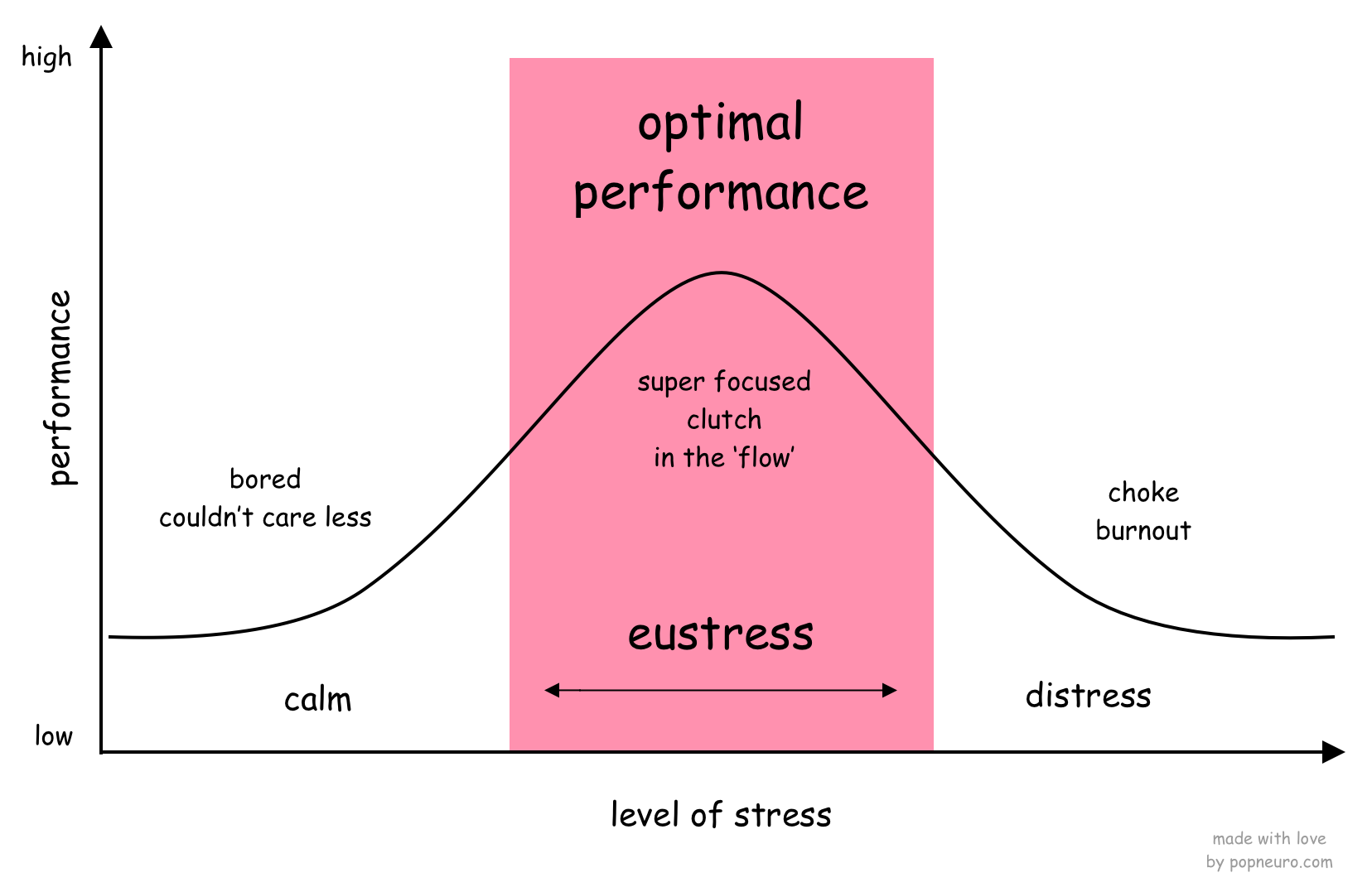
Performing under pressure is a skill that many individuals strive to master. However, stress can have a significant impact on one’s performance, both physically and mentally. To truly excel, it is crucial to understand the physiological response to stress, the psychological effects it can have, and the role it plays in performance anxiety.
The Physiological Response to Stress
When faced with a stressful situation, your body enters into a “fight or flight” mode, triggering a cascade of physiological changes. Your heart rate increases, your blood pressure rises, and stress hormones like cortisol flood your system. These changes are meant to prepare you for immediate action, but they can also negatively impact your performance if not properly managed. Understanding how stress affects your body is the first step in effectively managing it.
The Psychological Effects of Stress
In addition to the physical response, stress can also have a profound effect on your mental state. It can cloud your thinking, impair your decision-making abilities, and hinder your focus and concentration. This can be especially detrimental in high-pressure situations where split-second decisions and laser-sharp focus are required. Being aware of how stress affects your mind is crucial in order to maintain clarity and composure when it matters most.
The Role of Stress in Performance Anxiety
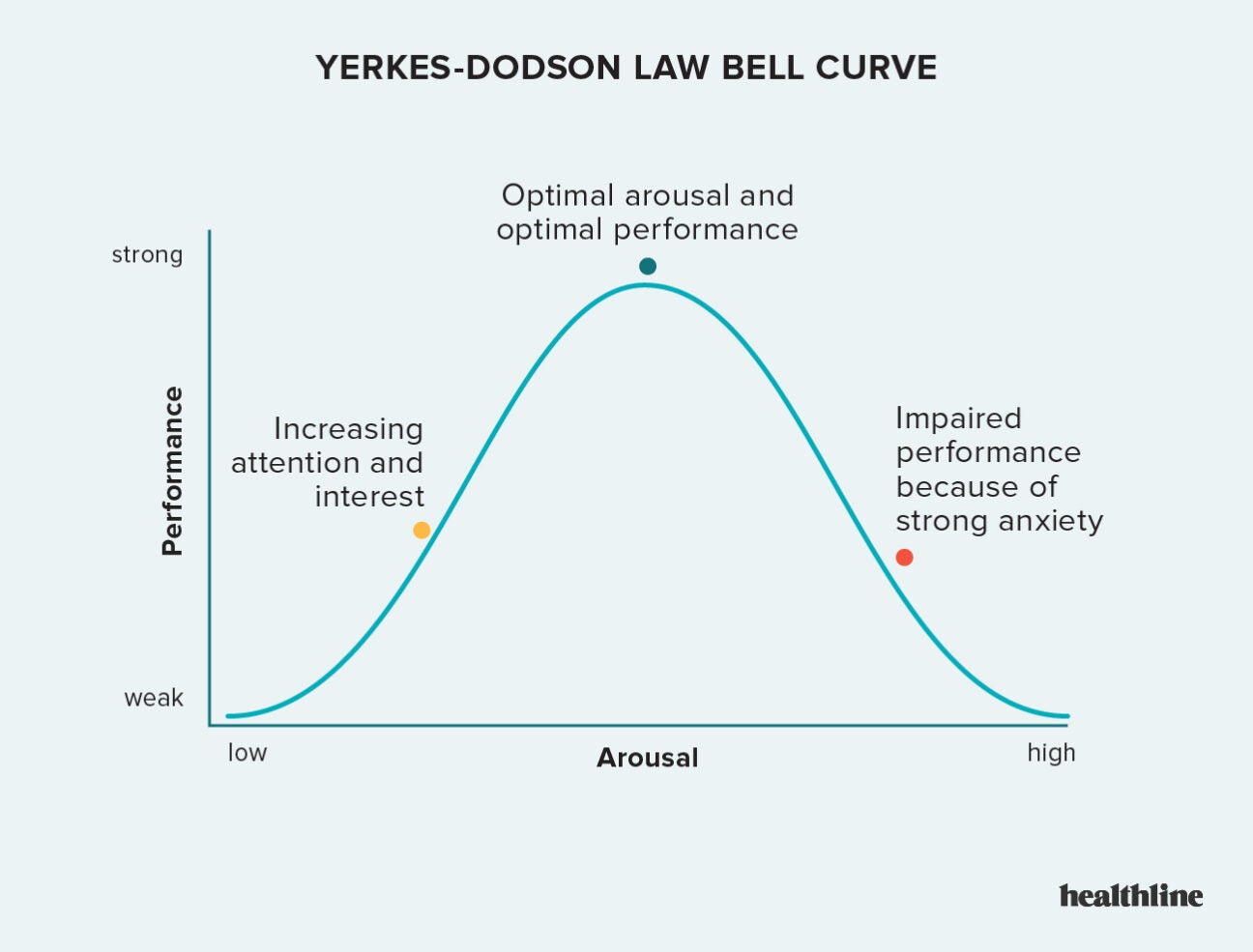
Performance anxiety is a common experience for many performers, and stress plays a significant role in its development. The fear of failure, the pressure to succeed, and self-imposed expectations can all contribute to heightened levels of stress, leading to performance anxiety. Understanding the relationship between stress and performance anxiety is vital in order to effectively manage and harness the power of stress to propel you towards excellence.
Recognizing the Different Types of Stress
Not all stress is created equal, and recognizing the different types of stress can help you better understand how they impact your performance. Acute stress, chronic stress, and episodic acute stress are the three main categories.
Acute Stress
Acute stress is short-term stress that is typically prompted by a specific event or situation. It can provide a temporary boost in performance, known as the “fight or flight” response, but if the stress becomes overwhelming or prolonged, it can have detrimental effects on performance.
Chronic Stress
Chronic stress, on the other hand, is long-term stress that persists over an extended period. It can result from ongoing issues such as work-related pressures, relationship difficulties, or financial strain. Chronic stress can lead to burnout, physical and mental exhaustion, and a decline in performance.
Episodic Acute Stress
Episodic acute stress occurs when an individual experiences acute stress on a recurring basis. These individuals often live their lives in a state of constant chaos and are frequently faced with demanding situations. Episodic acute stress can have a profound impact on performance, as it becomes difficult to find a sense of stability and manage stress effectively.
The Performer’s Perspective on Stress
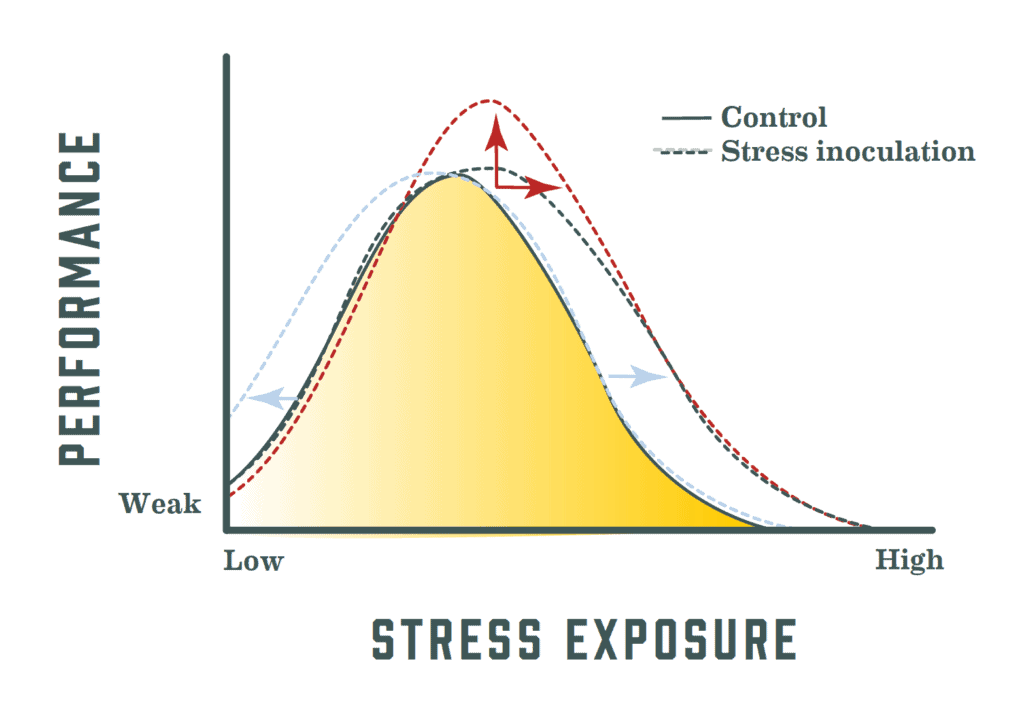
From the performer’s perspective, stress can be a double-edged sword. While it can fuel motivation and drive, it can also create immense pressure, fear of failure, and self-imposed expectations. Understanding the performer’s perspective on stress can provide valuable insights into how to navigate the challenges that arise.
The Pressure to Succeed
Performers often face external pressure to excel and meet certain expectations. Whether it’s the pressure to win competitions, deliver flawless performances, or satisfy audience demands, the pressure to succeed can be immense. This pressure can lead to heightened stress levels and a sense of being constantly under scrutiny.
Fear of Failure
The fear of failure is a common experience for performers, stemming from the desire to meet personal and external expectations. Fear of failure can create a vicious cycle of stress and anxiety, as it can impair your ability to perform at your best. Acknowledging and managing this fear is crucial in order to channel stress into positive energy rather than letting it hinder your performance.
Self-Imposed Expectations
Perfectionism is often found in performers who strive for excellence in their craft. While having high standards can be beneficial, self-imposed expectations can create significant stress and anxiety. By setting realistic expectations and learning to embrace imperfections, performers can reduce stress levels and enhance their overall performance.
Managing and Channeling Stress for Optimal Performance
The ability to effectively manage and channel stress is essential for optimal performance. By developing stress management techniques, building resilience and mental toughness, and utilizing visualization and positive self-talk, performers can effectively harness the power of stress to enhance their performance.
Developing Stress Management Techniques
Each individual responds differently to stress, and it is crucial to find personalized stress management techniques that work for you. These techniques can include deep breathing exercises, progressive muscle relaxation, mindfulness practices, or engaging in hobbies and activities that provide a sense of calm and relaxation. Experimenting with different techniques and finding what works best for you is key.
Building Resilience and Mental Toughness
Resilience and mental toughness are crucial attributes for performers, as they enable you to bounce back from setbacks and maintain focus and composure under pressure. Developing resilience can be achieved through building a strong support network, practicing self-care, and cultivating a growth mindset that embraces challenges as opportunities for growth.
Utilizing Visualization and Positive Self-Talk
Visualization and positive self-talk are powerful tools that can help performers manage stress and enhance performance. By visualizing success and rehearsing mentally, performers can build confidence and reduce anxiety. Positive self-talk involves using affirmations and replacing negative thoughts with positive ones, creating a more constructive internal dialogue that promotes resilience and self-belief.
The Role of Preparation in Reducing Stress Levels
Preparation plays a vital role in reducing stress levels and setting performers up for success. By establishing a structured practice routine, setting realistic goals, and creating performance rituals, performers can cultivate a sense of control and preparedness, minimizing stress and maximizing performance potential.
Establishing a Structured Practice Routine
A structured practice routine provides a framework for performers to hone their skills and improve their performance. By breaking down goals into manageable tasks and dedicating regular time for practice, performers can build confidence and reduce stress. Consistency and discipline are key in establishing an effective practice routine.
Setting Realistic Goals
Setting realistic goals is vital for performers to maintain motivation and focus. Unrealistic goals can create unnecessary stress and frustration, while achievable goals foster a sense of accomplishment and provide a roadmap for progress. By setting specific, measurable, attainable, relevant, and time-bound (SMART) goals, performers can enhance their performance and reduce stress levels.
Creating Performance Rituals
Performance rituals help performers establish a sense of familiarity and routine before each performance. These rituals can include specific warm-up exercises, visualization techniques, or calming rituals that help reduce anxiety and create a focused mindset. Performance rituals can be highly personal and unique to each individual, serving as an anchor amidst the pressures of performance.
Embracing the Power of Mindfulness and Meditation
Mindfulness and meditation are practices that can have a profound impact on reducing stress and enhancing performance. By practicing mindfulness for stress reduction, using meditation to enhance focus and concentration, and cultivating a present-moment mindset, performers can tap into the transformative power of these practices.
Practicing Mindfulness for Stress Reduction
Mindfulness involves bringing one’s attention to the present moment, without judgment or attachment. By cultivating a mindful approach to daily life and performance, performers can reduce stress and promote a sense of calm. Mindfulness can be practiced through formal meditation sessions, as well as incorporating mindful moments throughout the day.
Using Meditation to Enhance Focus and Concentration
Meditation is a practice that involves focusing one’s mind and excluding external distractions. Regular meditation can enhance focus and concentration, allowing performers to stay present and fully engaged in their performances. By incorporating meditation into their daily routines, performers can train their minds to maintain focus amidst stress and distractions.
Cultivating a Present-Moment Mindset
Cultivating a present-moment mindset involves fully immersing oneself in the present experience, rather than dwelling on the past or worrying about the future. By embracing the present moment, performers can let go of unnecessary stress and immerse themselves fully in the performance. This mindset allows for greater enjoyment, flow, and connectedness with the audience.

The Importance of Physical Health in Stress Management
Physical health plays a crucial role in managing stress and optimizing performance. By incorporating regular exercise for stress relief, maintaining proper nutrition, and prioritizing quality sleep, performers can optimize their physical well-being and reduce stress levels.
Exercise and its Stress-Relieving Benefits
Regular exercise is a powerful stress-management tool that can help performers release tension, improve mood, and boost energy levels. Engaging in activities such as aerobic exercise, yoga, or dance can stimulate the release of endorphins, which are natural mood enhancers. Finding an exercise routine that is enjoyable and suits your preferences will significantly contribute to stress reduction.
Proper Nutrition for Optimal Performance
Proper nutrition is vital for healthy brain function, energy levels, and overall well-being. By fueling your body with a balanced diet that includes whole foods, fruits, vegetables, lean proteins, and healthy fats, performers can optimize their physical and mental performance. Avoiding excessive caffeine, sugar, and processed foods can help regulate energy levels and promote a calm state of mind.
Quality Sleep and its Impact on Stress Levels
Sleep is essential for the body’s recovery and restoration, as well as for maintaining optimal cognitive function. Adequate sleep allows performers to wake up refreshed, with improved focus, attention, and creativity. Developing a bedtime routine, creating a sleep-friendly environment, and prioritizing consistent sleep patterns are crucial in ensuring quality sleep and managing stress effectively.
Seeking Support: The Role of Coaches and Mentors
The support of coaches and mentors is invaluable when dealing with stress and striving for optimal performance. Working with a supportive coach or mentor provides guidance, feedback, and accountability, which can help performers manage stress and unlock their full potential.
Working with a Supportive Coach or Mentor
A supportive coach or mentor can provide a nurturing, non-judgmental environment where performers can voice their concerns, fears, and challenges. They can offer guidance, perspective, and support in navigating the pressures of performance. A strong coach-performer or mentor-mentee relationship built on trust and open communication is vital in managing stress and fostering growth.
The Benefits of Feedback and Guidance
Feedback and guidance from coaches and mentors are instrumental in enhancing performance and managing stress. Constructive feedback can help performers identify areas for improvement and provide clear direction for growth. Guidance in areas such as technique, performance skills, and mental preparation can equip performers with the tools needed to thrive and reduce stress.
Building a Strong Support Network
Having a strong support network can play a crucial role in managing stress and building resilience. Surrounding yourself with individuals who understand the challenges of performance and provide emotional support can help performers navigate stress more effectively. Connecting with fellow performers, attending group classes or workshops, or joining support networks or online communities can foster a sense of belonging and camaraderie.

Developing Resilience: Turning Setbacks into Opportunities
Resilience is a key trait that performers can develop to turn setbacks into opportunities for growth. By learning from failures and setbacks, adopting a growth mindset, and utilizing stress as a catalyst for improvement, performers can bounce back stronger and reach new levels of excellence.
Learning from Failures and Setbacks
Failures and setbacks are inevitable in the journey of performance. Rather than being discouraged, performers can choose to view these experiences as valuable learning opportunities. Analyzing what went wrong, identifying areas for improvement, and developing a plan to overcome challenges can turn setbacks into stepping stones towards success.
Adopting a Growth Mindset
A growth mindset is the belief that abilities and intelligence can be developed through dedication and hard work. By adopting a growth mindset, performers embrace challenges, persist in the face of obstacles, and view effort as a path to mastery. This mindset promotes resilience, reduces the fear of failure, and cultivates a willingness to push beyond comfort zones.
Utilizing Stress as a Catalyst for Improvement
Stress can be harnessed as a powerful catalyst for improvement and growth. By reframing stress as a signal of importance and opportunity, performers can channel it into motivation and focused effort. Utilizing stress as a source of energy and inspiration can create a positive mindset shift and drive performers towards excellence.
The Performer’s Edge: Channeling Pressure into Excellence
To truly excel as a performer, it is essential to embrace the power of stress and channel it into excellence. By embracing the thrill of performance, utilizing stress as a source of motivation, and overcoming stress through resilience and preparation, performers can harness the transformative power of stress to reach new heights of achievement.
Embracing the Thrill of Performance
Performers who embrace the thrill of performance are able to channel stress into excitement and positive energy. Instead of viewing stress as a burden, they view it as an integral part of the performance experience. Embracing the thrill of performance allows for a more enjoyable and rewarding journey.
Utilizing Stress as a Source of Motivation
Rather than allowing stress to paralyze or hinder performance, performers can choose to utilize it as a source of motivation. Understanding that stress is a natural part of the growth process can fuel performers to push themselves further and strive for excellence. By reframing stress as an opportunity for growth, performers can approach challenges with a positive mindset and determination.
The Transformative Power of Overcoming Stress
Overcoming stress and performing at your best can have a transformative effect on your confidence and self-belief. By successfully managing stress, performers build resilience, enhance performance skills, and gain a deep sense of accomplishment. The ability to overcome stress and thrive in high-pressure situations strengthens performers’ belief in their abilities and opens doors to new opportunities.
In conclusion, stress is an inevitable part of the performer’s journey, but it does not have to be a hindrance. By understanding the impact of stress on performance, recognizing the different types of stress, and embracing stress as a catalyst for growth, performers can channel pressure into excellence. Through effective stress management techniques, preparation, resilience, and support, performers can unlock their full potential and thrive in high-pressure situations. With the right mindset and tools, stress can become a powerful ally in achieving peak performance.