Are you a frequent traveler who often finds yourself feeling stressed and overwhelmed? Look no further! In this article, we will explore the topic of stress and travel, and provide you with some practical tips on how to stay calm and relaxed while on the go. Whether you’re embarking on a business trip or a much-needed vacation, follow these simple strategies to ensure a stress-free and enjoyable travel experience. So pack your bags and get ready to discover the secrets to staying calm on your journeys.
Preparation Tips
Research and plan ahead
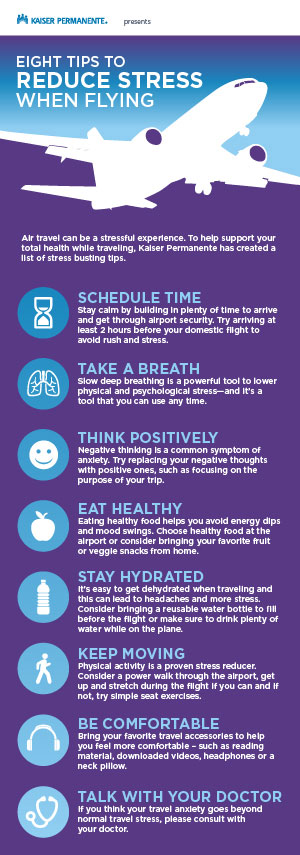
When it comes to traveling stress-free, proper research and planning ahead can make all the difference. Take some time to familiarize yourself with your destination, including the local customs, language, and attractions. This will not only help you feel more prepared but also give you a sense of confidence as you navigate your way through unfamiliar territory. Make a list of the must-see places and create an itinerary to ensure you make the most of your trip.
Pack strategically
Packing can be a stressful task if not done properly. Start by making a packing checklist to ensure you don’t forget anything important. Pack versatile clothing items that can be easily mixed and matched, and consider the weather at your destination. Roll your clothes instead of folding them to maximize space in your suitcase. Don’t forget essentials like toiletries, medications, and travel documents. It’s also a good idea to carry a small bag for daily essentials, such as a wallet, passport, and phone, to keep them easily accessible.
Prepare for airport security
Airport security can be a source of stress for many travelers. To make the process as smooth as possible, familiarize yourself with the rules and regulations of airport security. Pack your liquids in a clear, resealable bag and make sure they comply with the airline’s size restrictions. Wear comfortable and easily removable footwear to speed up the security screening process. Avoid wearing jewelry or accessories that may trigger metal detectors. By preparing for airport security in advance, you can breeze through the checkpoint and start your trip stress-free.
Take care of your health
Traveling can take a toll on your health, both physically and mentally. It’s important to prioritize self-care before and during your trip to minimize stress. Make sure to get plenty of sleep leading up to your departure, as lack of sleep can leave you feeling exhausted and overwhelmed. Eat a balanced diet and try to stay hydrated throughout your journey. If you have any pre-existing health conditions, don’t forget to pack necessary medications and consult with your healthcare provider before traveling. By taking care of your health, you’ll be better equipped to handle any challenges that may arise during your travels.
In-Flight Strategies
Choose the right seat
Picking the right seat on an airplane can greatly contribute to your comfort and overall travel experience. If you prefer extra legroom, consider selecting an aisle seat or an emergency exit row seat. If you value a window view, choose a seat by the window. If you are a light sleeper, avoid sitting near the bathrooms or the galley where there may be more noise and activity. Take advantage of online seat selection when booking your flight to secure the seat that best suits your needs.
Utilize noise-cancelling headphones
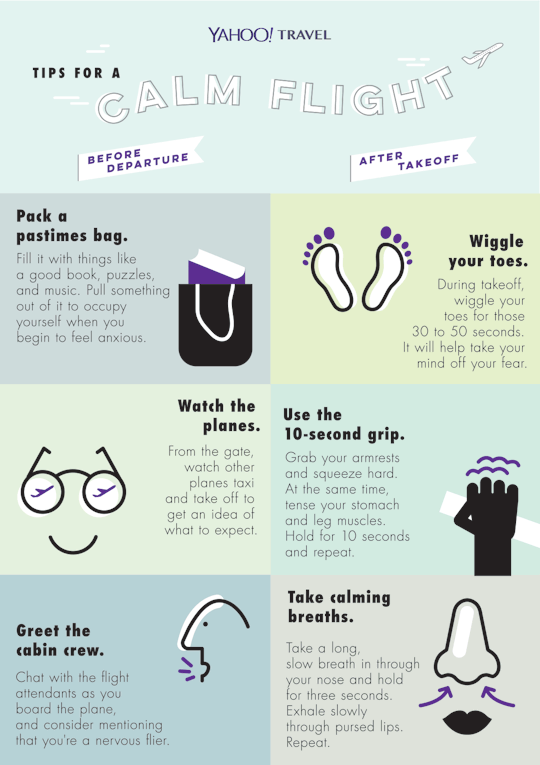
Aircraft cabins can be noisy, which can interfere with your ability to relax and enjoy your flight. Investing in a good pair of noise-cancelling headphones can be a game-changer. These headphones work by actively blocking out ambient noise, allowing you to focus on your journey or listen to soothing music or podcasts. Whether you’re watching a movie or trying to catch some sleep, noise-cancelling headphones can create a peaceful and calm environment in the midst of a bustling airplane.
Practice deep breathing and meditation
During a long flight, it’s important to find ways to calm your mind and relax your body. Deep breathing exercises can help regulate your breathing and reduce stress. Take slow, deep breaths in through your nose, hold for a few seconds, and exhale slowly through your mouth. Another effective technique is meditation. Close your eyes, focus on your breath, and let go of any tension or worries. There are also meditation apps or audio guides available that can assist you in achieving a state of relaxation while in the air.
Stay hydrated and avoid alcohol
Dehydration can exacerbate stress and make you feel more fatigued. It’s essential to stay hydrated throughout your flight by drinking plenty of water. Additionally, avoid excessive alcohol consumption during your journey, as it can dehydrate you and disrupt your sleep patterns. Opt for water or herbal tea instead. Proper hydration will not only keep you feeling refreshed but also help alleviate symptoms of jet lag and contribute to an overall sense of well-being.

Stress-Free Airport Experience
Arrive early
Arriving at the airport early can significantly reduce stress and allow you to navigate the check-in, security, and boarding processes at a relaxed pace. Aim to arrive at least two hours before domestic flights and three hours before international flights to ensure you have ample time to check in, drop off your luggage, and go through security. By giving yourself a buffer period, you can minimize the risk of rushing and feeling overwhelmed.
Join a trusted traveler program
If you frequently travel, consider joining a trusted traveler program, such as TSA PreCheck or Global Entry. These programs offer expedited screening processes, allowing you to bypass long lines and move through security quickly. The convenience of not having to remove shoes, jackets, or laptops can significantly reduce stress and make your airport experience more enjoyable. Additionally, some programs offer benefits like access to dedicated security lanes and shorter wait times at customs and immigration.
Use mobile check-in and digital boarding passes
Simplify your airport experience by utilizing mobile check-in and digital boarding passes. Most airlines now offer these options, allowing you to check-in for your flight and access your boarding pass directly from your smartphone. This eliminates the need for printed documents, reducing the risk of misplacing important paperwork and minimizing stress. Take advantage of technology to streamline your airport experience and have all your travel information readily available on your phone.
Bring entertainment and snacks
To make your time at the airport more enjoyable, pack some entertainment options and snacks. Bring a book, download movies or TV shows on your electronic devices, or listen to your favorite podcasts. Having something to do during layovers or flight delays can help pass the time and distract you from any potential stressors. It’s also a good idea to pack some healthy snacks, like granola bars, nuts, or fruit, to keep hunger at bay and avoid relying solely on airport food options.
Managing Jet Lag
Adjust your sleep schedule beforehand
To minimize the effects of jet lag, it’s advisable to gradually adjust your sleep schedule before your trip. If you’re traveling east, try to go to bed earlier and wake up earlier in the days leading up to your departure. If you’re traveling west, shift your sleep routine slightly later each day. By aligning your sleep patterns closer to your destination’s time zone, your body will have an easier time adjusting to the new schedule, reducing the symptoms of jet lag.
Stay hydrated and avoid caffeine
Dehydration can worsen the symptoms of jet lag, so it’s important to stay hydrated throughout your journey. Drink plenty of water and avoid excessive caffeine consumption, as it can disrupt your sleep patterns. Opt for herbal tea or water instead to keep your body hydrated and in balance. Proper hydration will help alleviate fatigue and headaches associated with jet lag, allowing you to adjust more quickly to your new time zone.
Take short naps
If you’re feeling exhausted upon arrival, taking short naps can help you recharge without disrupting your sleep patterns. Limit your nap time to around 20-30 minutes to avoid falling into a deep sleep, which can make it more difficult to adjust to the local time. Set an alarm to wake up on time and resist the temptation to nap for longer periods. These short power naps can provide a quick boost of energy and improve your overall alertness during the day.
Expose yourself to natural light
Natural light plays a crucial role in regulating your body’s internal clock. Once you arrive at your destination, try to spend time outdoors during daylight hours. Exposure to natural light helps reset your circadian rhythm and signals to your body that it’s time to be awake. Take a walk, explore the city, or sit by a window to soak up some sunshine. If natural light is not readily available, consider using a light therapy lamp or engaging in activities that simulate daylight.
Stay Organized
Keep important documents accessible
One of the keys to a stress-free trip is keeping your important travel documents organized and easily accessible. Before your trip, gather all necessary documents, such as your passport, ID, boarding passes, and hotel reservations. Keep them in a secure and readily accessible place, such as a travel document organizer or a dedicated section in your bag. This way, you can quickly retrieve them when needed, save time at check-in and security, and avoid the stress of searching through your belongings.
Have a travel checklist
To stay organized and ensure you don’t forget any essentials, create a travel checklist. This checklist should include items like clothing, toiletries, electronics, and any specific items unique to your destination. Refer to the checklist as you pack to make sure you have everything you need. Keep a printed copy of the checklist in your bag for easy reference during your trip. The peace of mind that comes with knowing you haven’t forgotten anything important will contribute to a stress-free travel experience.
Use a travel organizer or apps
Investing in a travel organizer or utilizing travel apps can help keep your travel details organized and easily accessible. A travel organizer can hold your documents, itinerary, and essential information in one place. Alternatively, there are numerous travel apps available that can assist with organizing flights, accommodations, and activities. These apps often provide reminders, real-time updates, and offline access to important information, ensuring all your travel details are conveniently accessible at your fingertips.
Stay on top of flight and hotel details
To minimize travel disruptions, it’s important to stay informed and be prepared for any changes or delays. Regularly check the status of your flights and make sure you are aware of any updates or schedule changes. Take note of your hotel’s contact information and confirm your reservation prior to your arrival. Keep a backup copy of your travel itinerary in a digital format, such as an email or a cloud-based storage service, in case you misplace the physical copy. By staying organized and up to date with your travel details, you can navigate any unexpected situations with ease.
Maintain a Healthy Routine
Stick to a regular sleep schedule
Maintaining a regular sleep schedule while traveling can help mitigate stress and ensure you feel well-rested throughout your trip. Try to stick to your usual bedtime and wake-up time as much as possible, even if it means adjusting to a different time zone. This consistency allows your body to establish a rhythm and reduces the risk of disrupted sleep patterns. Avoid excessive late nights or sleep-ins to help your body adapt to the new environment more effectively.
Eat healthy and stay hydrated
A key aspect of staying calm and healthy while traveling is maintaining a balanced diet and staying hydrated. Prioritize nutritious meals and opt for fresh fruits, vegetables, and protein-rich foods. Avoid excessive indulgence in fast food or sugary snacks, as they can leave you feeling sluggish and worsen feelings of stress. Carry a reusable water bottle and make sure to stay hydrated throughout the day. Drinking enough water keeps your body functioning optimally and helps offset the dehydrating effects of air travel.
Exercise and stretch regularly
Physical activity is a great way to reduce stress and keep your energy levels up while traveling. Incorporate regular exercise and stretching into your routine, even if it’s just a short walk or some simple exercises in your hotel room. Many hotels offer fitness centers or swimming pools that you can utilize during your stay. If you don’t have access to a gym, consider going for a jog or exploring the area on foot. Exercise releases endorphins, improves circulation, and promotes a sense of well-being.
Practice stress-relieving activities
Traveling can sometimes bring unexpected challenges and stressful situations. To stay calm and centered, incorporate stress-relieving activities into your daily routine. This can include practices like yoga, meditation, or deep breathing exercises. Carrying a small stress ball or engaging in mindful activities such as coloring or journaling can also provide a sense of tranquility. Find activities that resonate with you and make them a regular part of your travel routine to help manage and reduce stress.

Minimize Travel Disruptions
Leave extra time between connections
When planning your itinerary, be sure to leave enough time between connecting flights to account for potential delays or gate changes. While it’s tempting to opt for tight connections to minimize layover time, this can increase your stress levels if unexpected disruptions occur. Aim for a minimum of one to two hours between flights to allow enough buffer time. This will also give you the chance to relax, stretch your legs, and grab a snack between flights, making your travel experience more enjoyable and less rushed.
Have a backup plan
It’s essential to have a backup plan in case things don’t go as expected during your trip. This includes having contingency options for delays, cancellations, and unexpected events. Research alternative flights or transportation options in advance, so you’re prepared if your original plans fall through. Carry emergency contact information for airlines, hotels, and local assistance services. By having a backup plan, you can handle unexpected situations with more ease and avoid feeling overwhelmed or helpless.
Stay informed with travel alerts
To stay ahead of travel disruptions, sign up for travel alerts and notifications from airlines, airports, and travel organizations. Many airlines and airports offer email or text notifications for flight changes, delays, or cancellations. By staying informed, you can proactively adjust your plans and make necessary arrangements if needed. Travel apps and websites also provide real-time updates on weather conditions, traffic, or other factors that may impact your journey. Knowledge is power, and being well-informed allows you to make informed decisions and reduce travel-related stress.
Pack essentials in your carry-on
To minimize the impact of travel disruptions, pack essential items in your carry-on bag. This includes items like a change of clothes, toiletries, medications, important documents, and electronics. In the event of delayed or lost luggage, having these essentials with you ensures you can navigate any unexpected situations without added stress. Additionally, consider packing a portable charger for your devices, as well as a travel-sized first aid kit and snacks to keep you comfortable during potential travel delays.
Find Calm During Delays
Stay positive and practice patience
Delays are an inevitable part of travel, and it’s important to maintain a positive attitude and practice patience when faced with unexpected waiting times. Remind yourself that delays happen, and stressing about them won’t make them go away. Take this as an opportunity to practice mindfulness and focus on the present moment rather than dwelling on the inconvenience. Maintain a positive mindset, and remember that delays are temporary setbacks that will eventually pass.
Use relaxation techniques
When faced with a delay, make use of relaxation techniques to help calm your mind and reduce stress. Deep breathing exercises, gentle stretches, or listening to soothing music can promote a sense of relaxation. If you find that your mind is racing with negative thoughts, try practicing mindfulness or visualization exercises to shift your focus to more positive and calming imagery. By engaging in relaxation techniques, you can create a sense of tranquility amidst the chaotic nature of travel delays.
Find a quiet place to relax
Airports can be crowded and loud, especially during peak travel seasons. If you find yourself overwhelmed by the bustling environment, seek out a quiet place to relax. Many airports have designated quiet areas, meditation rooms, or lounges where you can enjoy some peace and tranquility. Alternatively, find a comfortable spot away from the crowds, such as a less busy gate or seating area, and take a few moments to unwind and recharge. Creating a calm and restful space for yourself can make a significant difference in managing stress during delays.
Engage in enjoyable activities
Make the most of your time during travel delays by engaging in activities that bring you joy and help pass the time. This could include reading a book, listening to your favorite podcast or music, watching a movie, or playing a game on your phone or tablet. Consider bringing along a travel journal or sketchbook to document your experiences or create art. By focusing on enjoyable activities, you can turn a delay into an opportunity for personal relaxation and entertainment.
Coping with Travel Anxiety
Identify the source of your anxiety
If you experience travel anxiety, it’s important to identify the root cause of your feelings. Reflect on what specific aspects of travel trigger your anxiety. It could be the fear of flying, unfamiliar environments, or the pressure of planning and organizing. Once you understand the source of your anxiety, you can start implementing strategies to address and mitigate it. Whether it’s through self-help techniques or professional support, acknowledging and understanding your anxiety is the first step toward finding effective coping mechanisms.
Seek support from a travel companion
If you find that travel anxiety is overwhelming, consider traveling with a supportive companion who can provide comfort and reassurance. Whether it’s a friend, family member, or partner, having someone by your side who understands your anxiety can make a big difference in your overall travel experience. Communicate your concerns and needs with your travel companion, and work together to find ways to alleviate anxiety and ensure a stress-free journey.
Practice self-care and self-soothing techniques
When dealing with travel anxiety, incorporating self-care and self-soothing techniques can be highly beneficial. Prioritize activities that help you relax and promote a sense of well-being. This can include taking regular breaks, indulging in a favorite hobby, practicing relaxation exercises, or engaging in activities that bring you comfort, such as listening to calming music or using scents like essential oils. Explore different self-care techniques, and find what works best for you to manage anxiety while on the go.
Consider professional help if necessary
If your travel anxiety persists and significantly impacts your ability to enjoy and engage in travel, it may be beneficial to seek professional help. A mental health professional, such as a therapist or counselor, can provide guidance and support tailored to your specific anxiety triggers and needs. They can help you develop coping mechanisms, address underlying issues, and provide tools for managing anxiety in a travel context. Seeking professional help can empower you to overcome travel anxiety and have more positive travel experiences in the future.
Post-Travel Relaxation
Take time to rest and recover
After a long journey, it’s essential to prioritize rest and recovery. Traveling can be physically and mentally exhausting, and giving yourself time to recharge is crucial. Resist the temptation to jump straight back into regular routines or activities upon returning home. Take a day or two to relax, catch up on sleep, and allow your body to adjust to your regular time zone. Use this time to reflect on your trip, savor the memories, and appreciate the experiences you had.
Engage in calming activities
To ease the transition from travel to everyday life, engage in activities that promote relaxation and calmness. This can include taking a leisurely walk in nature, practicing yoga or meditation, or listening to calming music. Indulge in self-care rituals, such as taking a warm bath, reading a book, or enjoying a cup of tea. By reintroducing calming activities into your routine, you can maintain a sense of tranquility and carry the peacefulness of your travels into your daily life.
Reflect on the positive aspects of your trip
Take time to reflect on the positive aspects of your trip and focus on the experiences and memories you created. Write in a journal or share stories with friends and family about the highlights of your journey. Looking back on the positive aspects of your trip can help counter any post-travel blues and allow you to relive the joy and excitement of your adventures. Expressing gratitude for the opportunities and experiences you had can also contribute to a greater sense of calm and contentment.
Plan your next stress-free adventure
As you wind down from your current trip, start planning your next stress-free adventure. Having something to look forward to can boost your mood and provide a sense of anticipation. Research potential destinations, create an itinerary, and set realistic goals for your next trip. Incorporate the lessons learned from your recent travel experiences into your planning process to ensure a smoother and more enjoyable journey. By staying proactive and excited about future adventures, you can maintain a positive mindset and remain calm despite any travel-related stress that may arise.