

Anxiety is a complex emotional response that many people experience at various points in their lives. It can manifest as feelings of unease, worry, or fear, often accompanied by physical symptoms such as increased heart rate, sweating, or restlessness. You may find that anxiety can be triggered by specific situations, such as public speaking or taking an exam, or it can arise without any clear cause.
Understanding the nature of anxiety is crucial for managing it effectively. It is not merely a fleeting feeling; it can become a persistent state that affects your daily life, relationships, and overall well-being. Recognizing the signs of anxiety is the first step toward addressing it.
You might notice that your mind races with negative thoughts, or you may feel a sense of impending doom. These feelings can be overwhelming and may lead to avoidance behaviors, where you steer clear of situations that trigger your anxiety. By understanding what anxiety is and how it affects you personally, you can begin to take proactive steps to manage it.
This awareness can empower you to seek out effective strategies and support systems that resonate with your individual needs.
Key Takeaways
- Anxiety is a natural response to stress, but excessive anxiety can be debilitating and impact daily life.
- Natural remedies such as herbal supplements, aromatherapy, mindfulness, and dietary changes can help manage anxiety symptoms.
- Regular exercise can reduce anxiety by releasing endorphins and promoting a sense of well-being.
- Herbal supplements like passionflower, valerian root, and lavender can help alleviate anxiety symptoms.
- Aromatherapy using essential oils like lavender, chamomile, and bergamot can promote relaxation and reduce anxiety.
The Benefits of Natural Remedies
Natural remedies for anxiety have gained popularity as more individuals seek alternatives to conventional treatments. You may find that these remedies offer a holistic approach to managing anxiety, focusing on the mind-body connection and promoting overall wellness. One of the primary benefits of natural remedies is that they often come with fewer side effects compared to pharmaceutical options.
This can be particularly appealing if you are sensitive to medications or prefer to avoid them altogether. Incorporating natural remedies into your routine can also foster a sense of empowerment. You might discover that simple lifestyle changes, such as incorporating herbal supplements or practicing mindfulness, can significantly impact your anxiety levels.
These remedies often encourage you to take an active role in your mental health journey, allowing you to explore various techniques and find what works best for you. As you delve into the world of natural remedies, you may find a sense of community among others who share similar experiences and insights.
Exercise and Anxiety
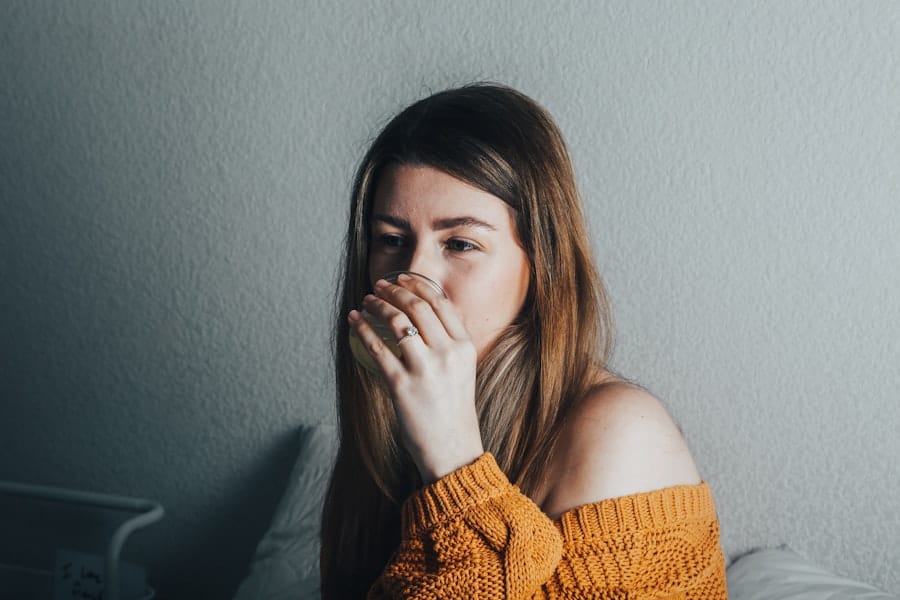
Engaging in regular physical activity is one of the most effective ways to combat anxiety. When you exercise, your body releases endorphins, which are natural mood lifters. You may notice that even a short walk or a quick workout can help alleviate feelings of stress and tension.
Exercise not only improves your physical health but also enhances your mental well-being by providing a constructive outlet for pent-up energy and emotions. Moreover, exercise can serve as a form of mindfulness practice. When you focus on your movements and the rhythm of your breath during physical activity, you may find that your mind quiets down, allowing you to escape the cycle of anxious thoughts.
Whether it’s running, dancing, or practicing yoga, finding an activity that you enjoy can make it easier to incorporate exercise into your daily routine. As you commit to regular physical activity, you may experience a gradual reduction in anxiety symptoms and an overall improvement in your mood.
Herbal Supplements for Anxiety
Herbal supplements have long been used in traditional medicine to promote relaxation and reduce anxiety. You might consider exploring options such as chamomile, valerian root, or passionflower, which have been shown to have calming effects on the nervous system. These natural remedies can be taken in various forms, including teas, capsules, or tinctures, making them accessible and easy to incorporate into your daily routine.
It’s essential to approach herbal supplements with caution and do thorough research before trying them. While many people find relief through these natural options, individual responses can vary significantly. Consulting with a healthcare professional can help ensure that the supplements you choose are safe and appropriate for your specific situation.
By integrating herbal supplements into your anxiety management plan, you may discover a gentle yet effective way to promote relaxation and emotional balance.
Aromatherapy for Anxiety Relief
Aromatherapy is another natural remedy that has gained traction for its potential to alleviate anxiety symptoms. The use of essential oils derived from plants can create a calming atmosphere and promote relaxation. You might find that scents like lavender, bergamot, or chamomile help soothe your mind and body when diffused in your living space or applied topically in diluted forms.
Incorporating aromatherapy into your daily routine can be as simple as lighting a scented candle or using an essential oil diffuser while you unwind at home. You may also consider creating a personal ritual around aromatherapy, such as using specific scents during meditation or relaxation exercises. By consciously engaging with these aromas, you can create a sensory experience that enhances your overall sense of well-being and helps mitigate feelings of anxiety.
Mindfulness and Meditation for Anxiety

Mindfulness and meditation practices have gained recognition for their effectiveness in managing anxiety. These techniques encourage you to focus on the present moment, allowing you to observe your thoughts and feelings without judgment. You might find that dedicating just a few minutes each day to mindfulness exercises can significantly reduce your anxiety levels over time.
As you practice mindfulness, you may develop a greater awareness of your thought patterns and emotional responses. This awareness can empower you to break free from the cycle of anxious thinking and cultivate a more balanced perspective on life’s challenges. Meditation techniques such as deep breathing or guided imagery can further enhance this practice by promoting relaxation and grounding you in the present moment.
By incorporating mindfulness into your daily routine, you may discover a powerful tool for managing anxiety and fostering inner peace.
Dietary Changes for Anxiety Management
Your diet plays a crucial role in your mental health, and making mindful dietary changes can significantly impact your anxiety levels. You might consider incorporating more whole foods into your meals, such as fruits, vegetables, whole grains, and lean proteins. These nutrient-dense foods provide essential vitamins and minerals that support brain health and emotional well-being.
Additionally, certain foods have been linked to improved mood and reduced anxiety symptoms. Omega-3 fatty acids found in fatty fish like salmon or walnuts are known for their anti-inflammatory properties and potential benefits for mental health. You may also want to limit processed foods high in sugar and unhealthy fats, as these can contribute to mood swings and increased anxiety levels.
By paying attention to what you eat and making conscious choices about your diet, you can create a foundation for better mental health.
The Role of CBD in Anxiety Treatment
Cannabidiol (CBD) has emerged as a popular natural remedy for anxiety management in recent years. Derived from the hemp plant, CBD is non-psychoactive and has been shown to have calming effects on the nervous system. You might consider exploring CBD oil or other products if you’re looking for an alternative approach to managing anxiety symptoms.
Research suggests that CBD may help reduce anxiety by interacting with receptors in the brain that regulate mood and stress responses. While individual experiences with CBD can vary, many people report feeling more relaxed and less anxious after using it. It’s essential to choose high-quality products from reputable sources and consult with a healthcare professional before incorporating CBD into your routine.
By exploring this option, you may find a new avenue for alleviating anxiety symptoms.
Yoga for Anxiety Relief
Yoga is a holistic practice that combines physical movement with breath control and mindfulness, making it an excellent tool for managing anxiety. You might find that participating in regular yoga sessions helps calm your mind while also promoting physical strength and flexibility. The combination of movement and breathwork encourages relaxation and reduces tension in both the body and mind.
As you practice yoga, you may develop greater awareness of your body and its responses to stressors. This heightened awareness can empower you to recognize when anxiety arises and implement coping strategies more effectively. Whether you’re attending a class or practicing at home through online videos, yoga offers a versatile approach to anxiety relief that can be tailored to fit your lifestyle.
Acupuncture for Anxiety Management
Acupuncture is an ancient practice rooted in Traditional Chinese Medicine that involves inserting thin needles into specific points on the body to promote balance and healing. Many individuals have turned to acupuncture as a complementary treatment for anxiety management. You might find that this holistic approach helps alleviate stress by stimulating the body’s natural healing processes.
Research has shown that acupuncture may help reduce symptoms of anxiety by promoting relaxation and improving overall well-being. During an acupuncture session, you may experience deep relaxation as the practitioner targets specific points related to stress relief. If you’re open to exploring alternative therapies, acupuncture could be a valuable addition to your anxiety management toolkit.
Seeking Professional Help for Severe Anxiety
While natural remedies and lifestyle changes can be effective for many individuals dealing with anxiety, there are times when seeking professional help is essential—especially if your anxiety becomes overwhelming or interferes with daily functioning. You might consider reaching out to a mental health professional who specializes in anxiety disorders if you’re struggling to cope on your own. Therapists can provide valuable support through various therapeutic approaches such as cognitive-behavioral therapy (CBT), which focuses on changing negative thought patterns associated with anxiety.
Additionally, they may recommend medication if necessary or work with you to develop coping strategies tailored to your unique situation. Remember that seeking help is not a sign of weakness; rather, it demonstrates strength and commitment to improving your mental health. In conclusion, understanding anxiety is the first step toward managing it effectively.
By exploring natural remedies such as exercise, herbal supplements, aromatherapy, mindfulness practices, dietary changes, CBD, yoga, acupuncture, and seeking professional help when needed, you can create a comprehensive approach tailored to your needs. Embracing these strategies empowers you to take control of your mental health journey while fostering resilience against life’s challenges.
If you’re exploring natural remedies for anxiety, you might find the article on “The Zen Zone: Natural Ways to Cope with Anxiety” particularly insightful. This piece delves into various holistic approaches that can help alleviate anxiety symptoms without the use of pharmaceuticals. It covers techniques such as mindfulness, meditation, and the use of herbal supplements, providing a comprehensive guide for those seeking alternative methods to manage their anxiety. For more information, you can read the full article by visiting The Zen Zone: Natural Ways to Cope with Anxiety.
FAQs
What is anxiety?
Anxiety is a normal and often healthy emotion. However, when a person regularly feels disproportionate levels of anxiety, it might become a medical disorder.
What are the symptoms of anxiety?
Symptoms of anxiety can include excessive worrying, restlessness, irritability, muscle tension, and difficulty concentrating.
What are natural remedies for anxiety?
Natural remedies for anxiety can include exercise, relaxation techniques such as deep breathing and meditation, herbal supplements like chamomile and lavender, and dietary changes such as reducing caffeine and sugar intake.
What is the best natural remedy for anxiety?
The best natural remedy for anxiety can vary from person to person. Some individuals may find relief through exercise and relaxation techniques, while others may benefit from herbal supplements or dietary changes. It’s important to consult with a healthcare professional to determine the best natural remedy for individual needs.