

Anxiety is a complex emotional response that many people experience at various points in their lives. It can manifest as feelings of unease, worry, or fear, often accompanied by physical symptoms such as increased heart rate, sweating, or restlessness. You may find that anxiety can be triggered by specific situations, such as public speaking or job interviews, or it may arise without any clear cause.
Understanding the nature of anxiety is crucial for managing it effectively. It is not merely a fleeting feeling; for some, it can develop into a chronic condition that significantly impacts daily life. As you delve deeper into the understanding of anxiety, you may come to realize that it is not just a mental health issue but also a physiological one.
The brain’s chemistry plays a significant role in how you experience anxiety. Neurotransmitters like serotonin and dopamine are involved in regulating mood and emotional responses. When these chemicals are out of balance, you might find yourself more susceptible to anxiety.
Recognizing the interplay between your thoughts, emotions, and physical sensations can empower you to take proactive steps toward managing your anxiety.
Key Takeaways
- Anxiety is a natural response to stress, but when it becomes excessive and uncontrollable, it can interfere with daily life.
- Conventional treatments for anxiety, such as medication and therapy, have limitations and may not be effective for everyone.
- Herbal medicine for anxiety is gaining popularity as a natural alternative to conventional treatments.
- Popular herbal remedies for anxiety include lavender, chamomile, passionflower, and valerian root.
- The science behind herbal medicine for anxiety is still emerging, but some studies suggest that certain herbs may have calming and anti-anxiety effects.
The Limitations of Conventional Treatments
While conventional treatments for anxiety, such as therapy and medication, have helped many individuals, they are not without limitations. You may have noticed that medications often come with a range of side effects, including drowsiness, weight gain, or dependency issues. Additionally, not everyone responds to these treatments in the same way; what works for one person may not work for another.
This variability can lead to frustration and a sense of hopelessness as you search for effective solutions. Moreover, therapy can be a lengthy process that requires commitment and time. You might find that traditional talk therapy does not resonate with you or address the root causes of your anxiety.
This can leave you feeling stuck and disillusioned with the options available. As you explore alternative approaches, it becomes essential to consider other avenues that may complement or even enhance your journey toward managing anxiety.
The Rise of Herbal Medicine for Anxiety
In recent years, there has been a notable shift toward exploring herbal medicine as a viable option for managing anxiety. You may have noticed an increasing number of people turning to natural remedies in search of relief from their symptoms. This trend reflects a growing awareness of the potential benefits of herbal treatments and a desire for more holistic approaches to mental health.
Herbal medicine offers an alternative that aligns with the belief that nature can provide solutions to many health issues. The appeal of herbal medicine lies in its historical roots and cultural significance. Many cultures have relied on plants and herbs for centuries to promote well-being and treat various ailments.
As you consider herbal remedies for anxiety, you may find comfort in the idea that these practices have stood the test of time. The resurgence of interest in herbal medicine is not just a passing fad; it represents a broader movement toward integrating natural solutions into modern healthcare.
Popular Herbal Remedies for Anxiety
As you explore herbal remedies for anxiety, you’ll encounter several popular options that have garnered attention for their calming effects. One such remedy is chamomile, often consumed as a tea. Chamomile has been traditionally used to promote relaxation and improve sleep quality.
You might find that sipping on chamomile tea before bedtime helps ease your mind and prepares you for restful sleep. Another well-known herb is valerian root, which is often used to alleviate insomnia and anxiety symptoms. Valerian is believed to enhance GABA levels in the brain, promoting a sense of calmness.
If you’re looking for something more potent, kava kava is another option that has gained popularity for its anxiolytic properties. However, it’s essential to approach kava with caution due to potential liver toxicity concerns. As you consider these remedies, it’s crucial to research their effects and consult with professionals to determine what might work best for you.
The Science Behind Herbal Medicine for Anxiety
The growing interest in herbal medicine for anxiety is supported by an increasing body of scientific research. Studies have shown that certain herbs can influence neurotransmitter activity in the brain, which may help alleviate symptoms of anxiety. For instance, research on ashwagandha has indicated its potential to reduce cortisol levels, the hormone associated with stress.
By lowering cortisol levels, ashwagandha may help you feel more balanced and less anxious. Additionally, the calming effects of herbs like lavender have been documented in various studies. Lavender oil has been shown to reduce anxiety levels when inhaled or applied topically.
As you explore the science behind these remedies, you may find reassurance in knowing that there is empirical evidence supporting their use. However, it’s essential to remember that while herbal medicine can be beneficial, it should not replace conventional treatments without proper guidance.
How to Use Herbal Medicine for Anxiety
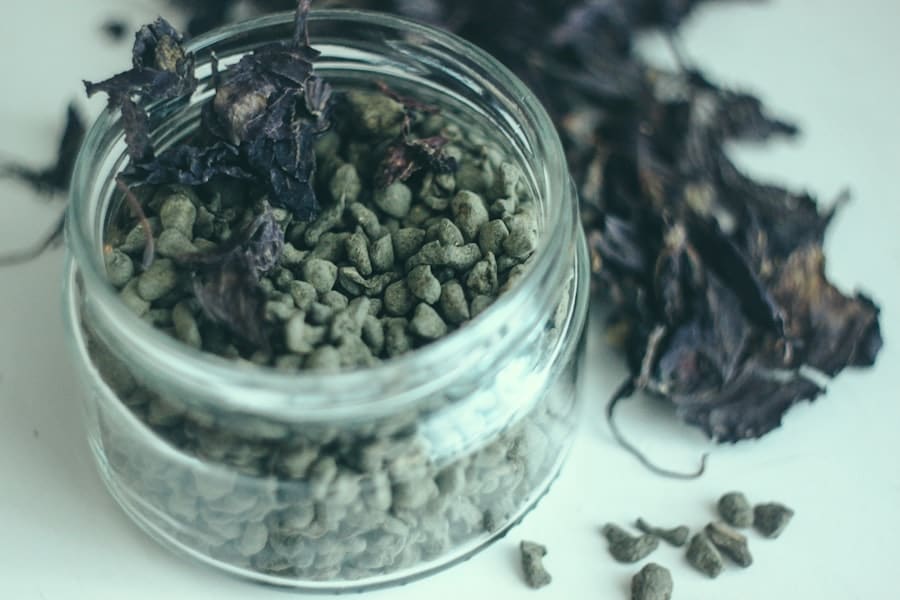
Incorporating herbal medicine into your routine can be a straightforward process once you understand how to use these remedies effectively. You might start by selecting one or two herbs that resonate with you based on your research and personal preferences. Herbal teas are an excellent entry point; simply steeping dried herbs in hot water can create soothing beverages that promote relaxation.
If you’re interested in more concentrated forms of herbal medicine, consider supplements or tinctures available at health food stores or online retailers. It’s essential to follow dosage recommendations carefully and monitor how your body responds over time. You may also want to keep a journal to track your experiences with different herbs and their effects on your anxiety levels.
Potential Side Effects and Risks of Herbal Medicine for Anxiety
While herbal remedies can offer relief from anxiety symptoms, it’s crucial to be aware of potential side effects and risks associated with their use. Just because something is natural does not mean it is entirely safe; some herbs can interact with medications or exacerbate existing health conditions. For example, kava has been linked to liver damage when taken in high doses or over extended periods.
As you explore herbal options, it’s wise to educate yourself about any contraindications or adverse effects associated with specific herbs. You might also consider starting with lower doses to gauge your body’s reaction before gradually increasing them if needed. Being informed about potential risks will empower you to make safer choices on your journey toward managing anxiety.
Consulting with a Healthcare Professional
Before embarking on any new treatment plan involving herbal medicine, consulting with a healthcare professional is essential. A qualified practitioner can help you navigate the complexities of herbal remedies and ensure they align with your overall health goals. They can also provide insights into potential interactions with any medications you may be taking.
During your consultation, be open about your experiences with anxiety and any previous treatments you’ve tried. This information will help your healthcare provider tailor recommendations specifically for you. By working collaboratively with a professional, you can create a comprehensive approach that incorporates both herbal medicine and other therapeutic modalities.
Integrating Herbal Medicine with Other Anxiety Treatments
Integrating herbal medicine into your existing treatment plan can enhance your overall approach to managing anxiety. You might find that combining herbal remedies with therapy or mindfulness practices creates a more holistic strategy for addressing your symptoms. For instance, while engaging in cognitive-behavioral therapy (CBT), you could incorporate calming herbal teas into your routine to support relaxation during challenging moments.
Additionally, consider using herbal medicine as a complementary tool alongside lifestyle changes such as exercise and nutrition. By adopting a multifaceted approach that includes various strategies, you may find greater success in managing your anxiety over time.
Lifestyle Changes to Support Herbal Medicine for Anxiety
In addition to incorporating herbal remedies into your routine, making lifestyle changes can significantly enhance their effectiveness in managing anxiety. Regular physical activity is one such change; exercise releases endorphins that promote feelings of well-being and reduce stress levels. You might find that engaging in activities like yoga or walking outdoors complements the calming effects of herbal medicine.
Nutrition also plays a vital role in mental health; consuming a balanced diet rich in whole foods can positively impact your mood and energy levels. Consider incorporating foods high in omega-3 fatty acids, such as fatty fish or flaxseeds, which have been linked to improved mental health outcomes. By prioritizing these lifestyle changes alongside herbal remedies, you’ll create a supportive environment for managing anxiety.
The Future of Herbal Medicine for Anxiety
As interest in holistic approaches continues to grow, the future of herbal medicine for anxiety looks promising. Ongoing research into the efficacy of various herbs will likely lead to more refined understanding and applications within mental health care. You may witness an increasing acceptance of herbal remedies within conventional medical practices as healthcare providers recognize their potential benefits.
Moreover, as more individuals share their positive experiences with herbal medicine, awareness will continue to spread, encouraging others to explore these natural options for managing anxiety. The future holds exciting possibilities for integrating traditional wisdom with modern science, ultimately providing you with more tools to navigate your mental health journey effectively. In conclusion, understanding anxiety and exploring alternative treatments like herbal medicine can empower you on your path toward healing and well-being.
By educating yourself about various remedies and consulting with healthcare professionals, you can create a personalized approach that resonates with your unique needs and experiences.
If you’re exploring natural remedies for anxiety, you might find the article on herbal medicine particularly insightful. For those interested in a broader range of natural approaches, the article titled “Finding Your Zen Zone: Natural Approaches to Anxiety” offers a comprehensive look at various methods to manage anxiety without relying on conventional medication. This piece delves into different strategies, including lifestyle changes and alternative therapies, that can complement the use of herbal medicine. To learn more about these holistic approaches, you can read the full article by following this link: Finding Your Zen Zone: Natural Approaches to Anxiety.
FAQs
What is anxiety herbal medicine?
Anxiety herbal medicine refers to the use of natural plant-based remedies to help alleviate symptoms of anxiety. These remedies can include herbs, roots, and other botanicals that are believed to have calming and soothing effects on the mind and body.
What are some common herbs used in anxiety herbal medicine?
Some common herbs used in anxiety herbal medicine include chamomile, lavender, passionflower, valerian root, and lemon balm. These herbs are believed to have calming properties that can help reduce feelings of anxiety and promote relaxation.
Are there any scientific studies supporting the use of herbal medicine for anxiety?
While there is some evidence to suggest that certain herbs may have potential benefits for anxiety, more research is needed to fully understand their effectiveness. Some studies have shown promising results for herbs like passionflower and kava, but more rigorous clinical trials are necessary to confirm their efficacy.
What are the potential risks and side effects of using anxiety herbal medicine?
It’s important to note that herbal medicine can have potential risks and side effects, just like any other form of treatment. Some herbs may interact with medications or have adverse effects on certain individuals. It’s important to consult with a healthcare professional before using herbal remedies, especially if you have any underlying health conditions or are taking medications.
How should I use anxiety herbal medicine?
If you’re considering using herbal medicine for anxiety, it’s important to do so under the guidance of a qualified healthcare provider. They can help you determine the appropriate dosage and form of the herbal remedy, as well as monitor your progress and any potential side effects. It’s also important to use reputable sources for herbal products to ensure their quality and safety.