

Stress and anxiety are common experiences that many people face in their daily lives. You may find yourself feeling overwhelmed by the demands of work, relationships, or personal responsibilities. Stress is often a response to external pressures, while anxiety can manifest as a more persistent feeling of unease or worry.
Understanding the nuances between these two states is crucial for managing them effectively. Stress can trigger a fight-or-flight response, leading to physical symptoms such as increased heart rate, muscle tension, and fatigue. On the other hand, anxiety can linger long after the stressor has passed, often leading to a cycle of worry that can be difficult to break.
Recognizing the signs of stress and anxiety in your life is the first step toward addressing them. You might notice changes in your mood, sleep patterns, or appetite. Perhaps you find yourself feeling irritable or unable to concentrate.
These symptoms can affect not only your mental well-being but also your physical health. Chronic stress and anxiety can lead to serious health issues, including heart disease, digestive problems, and weakened immune function. By understanding what stress and anxiety are and how they affect you, you can begin to explore effective strategies for managing these challenges.
Key Takeaways
- Stress and anxiety are common mental health issues that can have a significant impact on daily life.
- Conventional treatments for stress and anxiety have limitations and may not work for everyone.
- Alternative medicine offers various benefits for managing stress and anxiety, including a holistic approach to wellness.
- Herbal remedies can be effective in reducing stress and anxiety symptoms, such as lavender and chamomile.
- Acupuncture and acupressure can provide relief from stress and anxiety by targeting specific pressure points in the body.
The Limitations of Conventional Treatments
While conventional treatments for stress and anxiety, such as therapy and medication, can be effective for some individuals, they often come with limitations. You may have experienced side effects from medications that made you hesitant to continue using them. Additionally, therapy can be time-consuming and costly, making it less accessible for many people.
These factors can lead to frustration and a sense of helplessness when trying to manage your mental health. Furthermore, conventional treatments often focus on alleviating symptoms rather than addressing the root causes of stress and anxiety. Another limitation is that not everyone responds to conventional treatments in the same way.
What works for one person may not work for another, leading to a trial-and-error approach that can be disheartening. You might find yourself feeling stuck in a cycle of seeking help without finding lasting relief. This is where alternative medicine comes into play, offering a range of options that may resonate more with your personal beliefs and lifestyle.
Exploring these alternatives can empower you to take control of your mental health journey.
The Benefits of Alternative Medicine
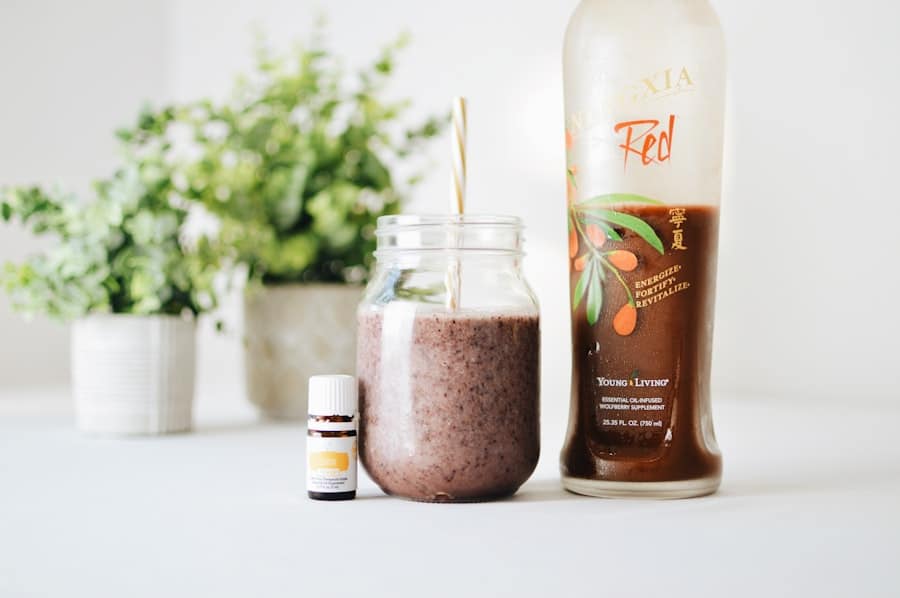
Alternative medicine encompasses a variety of practices that aim to promote healing and well-being through natural means. You may find that these approaches resonate with you on a deeper level, as they often emphasize holistic healing—addressing not just the symptoms but also the underlying causes of stress and anxiety. One of the primary benefits of alternative medicine is its focus on individualized care.
Unlike conventional treatments that may take a one-size-fits-all approach, alternative therapies often allow you to tailor your experience to suit your unique needs. Moreover, alternative medicine tends to prioritize prevention and self-care, encouraging you to develop healthy habits that can mitigate stress and anxiety over time. This proactive approach can foster a sense of empowerment as you learn to manage your mental health through lifestyle changes and natural remedies.
Additionally, many alternative therapies have fewer side effects compared to conventional medications, making them appealing options for those who are sensitive to pharmaceuticals or prefer a more natural approach to healing.
Herbal Remedies for Stress and Anxiety
Herbal remedies have been used for centuries across various cultures as natural solutions for stress and anxiety. You might consider incorporating herbs like chamomile, lavender, or valerian root into your routine. Chamomile tea, for instance, is known for its calming properties and can be a soothing ritual before bedtime.
Lavender essential oil is another popular choice; its aroma has been shown to reduce anxiety levels and promote relaxation. By exploring these herbal options, you can create a personalized toolkit for managing stress. In addition to these well-known herbs, adaptogens like ashwagandha and rhodiola rosea have gained popularity for their ability to help the body adapt to stressors.
These herbs work by balancing cortisol levels and supporting overall resilience. You may find that incorporating adaptogens into your daily routine—whether through supplements or teas—can provide a sense of stability during challenging times. As with any remedy, it’s essential to consult with a healthcare professional before starting new herbal treatments to ensure they align with your individual health needs.
Acupuncture and Acupressure for Stress Relief
Acupuncture and acupressure are ancient practices rooted in Traditional Chinese Medicine that focus on balancing the body’s energy flow. If you’re seeking relief from stress and anxiety, these techniques may offer significant benefits. Acupuncture involves inserting thin needles into specific points on the body to stimulate energy flow and promote relaxation.
Many individuals report feeling deeply relaxed during and after an acupuncture session, which can help alleviate feelings of anxiety. Acupressure, on the other hand, uses finger pressure on specific points rather than needles. This technique is something you can practice on your own at home, making it an accessible option for stress relief.
By applying pressure to points like the “Yintang” (between the eyebrows) or “Pericardium 6” (on the inner wrist), you may find immediate relief from tension and anxiety. Both acupuncture and acupressure encourage mindfulness and body awareness, allowing you to reconnect with yourself during stressful moments.
Meditation and Mindfulness Practices
Meditation and mindfulness practices have gained recognition for their effectiveness in managing stress and anxiety. You might find that dedicating just a few minutes each day to meditation can create a profound shift in your mental state. Mindfulness encourages you to stay present in the moment, helping you detach from racing thoughts about the past or future that often fuel anxiety.
Techniques such as focused breathing or guided imagery can help ground you when stress levels rise. Incorporating meditation into your daily routine doesn’t have to be complicated; even short sessions can yield significant benefits. You could start with just five minutes of deep breathing or listening to a guided meditation app.
Over time, you may notice an increased ability to handle stressors with greater ease and clarity. As you cultivate mindfulness, you’ll likely develop a deeper understanding of your thoughts and emotions, empowering you to respond rather than react in stressful situations.
Yoga and Tai Chi for Stress Management
Yoga and Tai Chi are both mind-body practices that promote relaxation while enhancing physical strength and flexibility. If you’re looking for a way to manage stress through movement, these practices might resonate with you. Yoga combines physical postures with breath control and meditation, creating a holistic approach to well-being.
You may find that regular yoga practice helps release tension stored in your body while fostering a sense of calm. Tai Chi, often described as “meditation in motion,” involves slow, flowing movements that promote balance and tranquility. This gentle practice encourages mindfulness as you focus on each movement and breath.
Engaging in either yoga or Tai Chi can provide an opportunity for self-reflection while also improving your physical health. As you become more attuned to your body through these practices, you may discover new ways to cope with stressors in your life.
Aromatherapy and Essential Oils for Anxiety Relief
Aromatherapy utilizes essential oils derived from plants to promote emotional well-being and relaxation. If you’re seeking natural ways to alleviate anxiety, incorporating essential oils into your daily routine could be beneficial. Oils like bergamot, frankincense, and ylang-ylang are known for their calming properties and can be used in various ways—whether through diffusers, topical applications, or bath soaks.
You might consider creating a calming ritual by diffusing essential oils in your home or adding a few drops to your bathwater after a long day. The soothing scents can help create an environment conducive to relaxation while also providing an opportunity for mindfulness as you take time for yourself. By exploring different essential oils, you can discover which scents resonate most with you and enhance your overall sense of well-being.
Massage Therapy for Stress Reduction
Massage therapy is another effective alternative treatment for managing stress and anxiety. The physical touch involved in massage can promote relaxation by reducing muscle tension and increasing circulation throughout the body. If you’ve ever experienced a massage, you likely remember how it felt to release built-up tension under skilled hands—this experience can be incredibly therapeutic.
Regular massage sessions can help lower cortisol levels while increasing serotonin and dopamine—neurotransmitters associated with feelings of happiness and relaxation. You might consider scheduling regular massages as part of your self-care routine or even learning simple self-massage techniques that you can practice at home. By prioritizing this form of therapy, you’re investing in both your physical health and mental well-being.
Dietary and Nutritional Approaches to Managing Stress and Anxiety
Your diet plays a significant role in how you feel both physically and mentally. Certain foods can either exacerbate or alleviate feelings of stress and anxiety. For instance, consuming a balanced diet rich in whole foods—such as fruits, vegetables, whole grains, lean proteins, and healthy fats—can provide essential nutrients that support brain health and emotional well-being.
You might also consider incorporating foods high in omega-3 fatty acids—like salmon or walnuts—into your meals, as they have been linked to reduced symptoms of anxiety. Additionally, staying hydrated is crucial; dehydration can lead to irritability and fatigue, further compounding feelings of stress. By being mindful of what you eat and drink, you can create a foundation for better mental health.
Integrating Alternative Medicine with Conventional Treatments
As you explore alternative medicine options for managing stress and anxiety, it’s essential to consider how these approaches can complement conventional treatments rather than replace them entirely. Open communication with your healthcare provider about your interest in alternative therapies is crucial; they can help guide you in integrating these practices safely into your overall treatment plan. By combining conventional treatments with alternative methods—such as herbal remedies or mindfulness practices—you may find a more comprehensive approach that addresses both symptoms and root causes of stress and anxiety.
This integrative approach empowers you to take charge of your mental health journey while benefiting from the strengths of both conventional medicine and alternative therapies. In conclusion, navigating the complexities of stress and anxiety requires a multifaceted approach tailored to your unique needs. By understanding these experiences better and exploring various treatment options—both conventional and alternative—you can cultivate resilience and improve your overall well-being.
In exploring alternative medicine for stress and anxiety, it’s essential to consider various holistic approaches that can complement traditional treatments. One related article that delves into this topic is titled “Holistic Approaches to Panic Attack Management.” This article provides insights into how holistic methods can be effectively integrated into managing panic attacks, which are often a manifestation of underlying stress and anxiety. For more information, you can read the full article by following this link.
FAQs
What is alternative medicine for stress and anxiety?
Alternative medicine for stress and anxiety refers to non-traditional or complementary therapies and practices that are used to alleviate symptoms of stress and anxiety. These may include techniques such as acupuncture, yoga, meditation, herbal remedies, and aromatherapy.
Is alternative medicine effective for treating stress and anxiety?
There is some evidence to suggest that certain alternative medicine practices can be effective in reducing symptoms of stress and anxiety. However, it is important to consult with a healthcare professional before trying any alternative treatments, as they may not be suitable for everyone and should not replace conventional medical care.
What are some examples of alternative medicine for stress and anxiety?
Examples of alternative medicine for stress and anxiety include acupuncture, massage therapy, mindfulness meditation, herbal supplements such as valerian root or passionflower, aromatherapy using essential oils, and yoga or tai chi.
Are there any risks associated with alternative medicine for stress and anxiety?
While many alternative medicine practices are generally considered safe, there can be risks associated with certain treatments or supplements. For example, some herbal remedies may interact with medications or have side effects, and certain practices such as acupuncture should only be performed by trained and licensed practitioners.
Can alternative medicine be used in conjunction with conventional treatments for stress and anxiety?
Yes, alternative medicine can often be used alongside conventional treatments for stress and anxiety. It is important to discuss any alternative treatments with a healthcare provider to ensure they are safe and appropriate, and to avoid any potential interactions with prescribed medications.