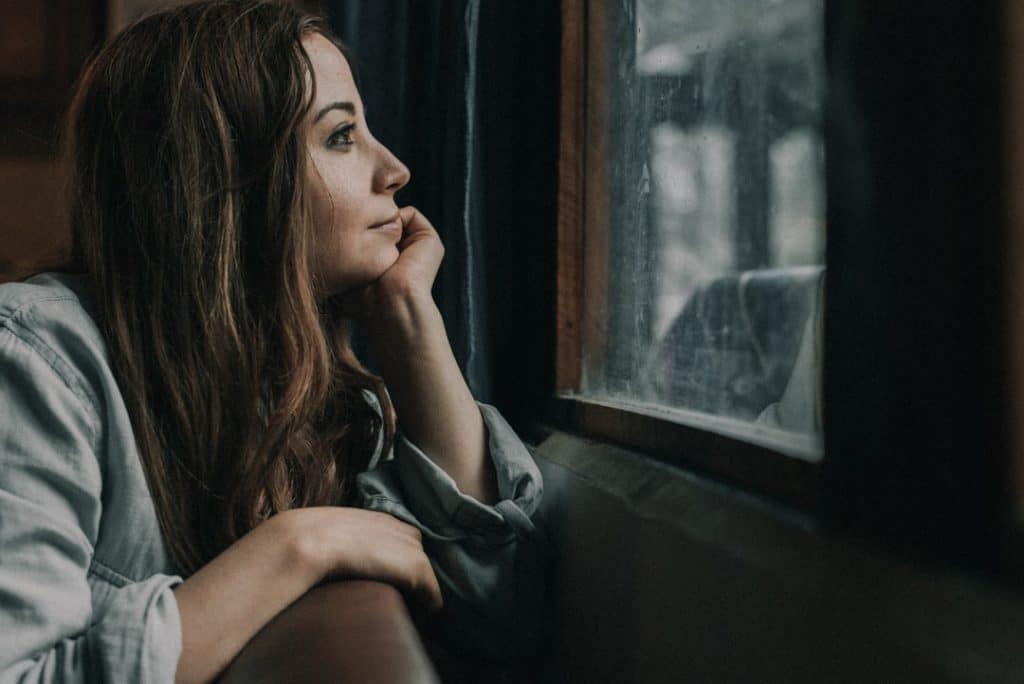
Anxiety is a complex emotional response that many people experience at various points in their lives. It can manifest as feelings of unease, worry, or fear, often accompanied by physical symptoms such as a racing heart, sweating, or trembling. You may find that anxiety can be triggered by specific situations, such as public speaking or taking an exam, or it may arise without any clear cause.
Understanding the nature of anxiety is crucial for managing it effectively. Recognizing that it is a normal human emotion can help you feel less isolated in your experiences. Moreover, anxiety can be categorized into different types, including generalized anxiety disorder (GAD), social anxiety disorder, and panic disorder, among others.
Each type has its own set of symptoms and triggers. By identifying the specific nature of your anxiety, you can tailor your coping strategies to better suit your needs. It’s important to remember that while anxiety can be overwhelming, it is also manageable.
With the right tools and techniques, you can learn to navigate through your anxious feelings and regain a sense of control over your life.
Key Takeaways
- Anxiety is a natural response to stress, but it can become overwhelming and disruptive if not managed properly.
- Deep breathing techniques can help calm the nervous system and reduce anxiety symptoms quickly and effectively.
- Mindfulness and meditation practices can help individuals become more aware of their thoughts and feelings, leading to better management of anxiety.
- Regular exercise and physical activity can reduce anxiety and improve overall mental well-being.
- Certain herbal remedies and supplements, such as lavender and chamomile, have been shown to have calming effects on anxiety.
Deep Breathing Techniques
One of the most effective ways to combat anxiety is through deep breathing techniques. When you feel anxious, your body often enters a state of heightened alertness, which can lead to shallow breathing. By consciously practicing deep breathing, you can counteract this response and promote relaxation.
Start by finding a comfortable position, either sitting or lying down. Inhale deeply through your nose, allowing your abdomen to expand fully. Hold your breath for a moment before exhaling slowly through your mouth.
This simple practice can help calm your nervous system and reduce feelings of anxiety. Incorporating deep breathing into your daily routine can also be beneficial. You might set aside a few minutes each day to practice this technique, or use it as a tool during particularly stressful moments.
As you become more familiar with deep breathing, you may find that it not only helps alleviate anxiety but also enhances your overall sense of well-being. Over time, this practice can become a valuable part of your self-care toolkit, allowing you to approach challenges with a clearer mind and a more relaxed body.
Mindfulness and Meditation

Mindfulness and meditation are powerful practices that can significantly reduce anxiety levels. Mindfulness involves being fully present in the moment and observing your thoughts and feelings without judgment. By cultivating mindfulness, you can create a buffer between yourself and your anxious thoughts, allowing you to respond to them more calmly.
You might start by dedicating just a few minutes each day to sit quietly and focus on your breath or the sensations in your body. As you practice, you’ll likely notice that your mind wanders; when it does, gently guide your focus back to the present moment. Meditation takes mindfulness a step further by providing structured techniques to help quiet the mind.
There are various forms of meditation, including guided meditation, loving-kindness meditation, and body scan meditation. You may find that one style resonates more with you than others. Experimenting with different techniques can help you discover what works best for you in managing anxiety.
Over time, regular meditation practice can lead to lasting changes in how you respond to stressors, fostering a greater sense of peace and resilience in your daily life.
Exercise and Physical Activity
Engaging in regular exercise is another effective strategy for managing anxiety. Physical activity releases endorphins, which are natural mood lifters that can help alleviate feelings of stress and anxiety. Whether you prefer running, swimming, dancing, or practicing yoga, finding an activity that you enjoy can make it easier to incorporate exercise into your routine.
Aim for at least 30 minutes of moderate exercise most days of the week; this can significantly improve your mental health and overall well-being. In addition to the immediate benefits of exercise, such as improved mood and reduced tension, regular physical activity can also enhance your resilience to stress over time. As you build strength and endurance, you may find that you feel more capable of handling life’s challenges.
Moreover, exercise provides an opportunity for social interaction if you choose to participate in group classes or team sports. Connecting with others who share similar interests can further bolster your support network and contribute to a sense of belonging.
Herbal Remedies and Supplements
Many people turn to herbal remedies and supplements as natural alternatives for managing anxiety. While it’s essential to consult with a healthcare professional before starting any new supplement regimen, certain herbs have been shown to have calming effects. For instance, chamomile is often used for its soothing properties and may help reduce feelings of anxiety when consumed as tea or in supplement form.
Similarly, valerian root is known for its sedative effects and may promote relaxation. Another popular option is ashwagandha, an adaptogenic herb that has been linked to reduced stress levels and improved mood. Omega-3 fatty acids found in fish oil are also thought to support mental health by reducing inflammation and promoting brain function.
As you explore these options, keep in mind that individual responses may vary; what works for one person may not work for another. Therefore, it’s crucial to approach herbal remedies with an open mind while remaining cautious about potential interactions with other medications.
Aromatherapy and Essential Oils

Aromatherapy is a holistic practice that utilizes essential oils derived from plants to promote physical and emotional well-being. Certain essential oils are particularly effective in alleviating anxiety symptoms. For example, lavender oil is renowned for its calming properties and can be used in various ways—whether through diffusion in your living space or added to a warm bath for relaxation.
Similarly, bergamot oil has been shown to reduce stress levels and improve mood when inhaled or applied topically. Incorporating aromatherapy into your daily routine can create a soothing atmosphere that supports relaxation and mindfulness. You might consider using essential oils during meditation or deep breathing exercises to enhance their calming effects.
Additionally, creating a personal blend of oils that resonate with you can make the experience even more enjoyable. As you explore the world of aromatherapy, pay attention to how different scents affect your mood; this awareness can help you curate a collection of oils that best support your journey toward managing anxiety.
Limiting Caffeine and Alcohol
Caffeine and alcohol are substances that can exacerbate anxiety symptoms for many individuals. Caffeine is a stimulant that can increase heart rate and lead to feelings of jitteriness or restlessness—symptoms that may mimic or intensify anxiety. If you find yourself feeling anxious after consuming caffeinated beverages like coffee or energy drinks, consider reducing your intake or switching to decaffeinated options.
On the other hand, while alcohol may initially seem to provide relief from anxiety due to its sedative effects, it can ultimately lead to increased feelings of anxiety once its effects wear off. Additionally, alcohol disrupts sleep patterns and can contribute to mood swings over time. By limiting both caffeine and alcohol consumption, you may notice a significant improvement in your overall mental health and emotional stability.
Creating a Relaxing Environment
Your environment plays a crucial role in how you feel on a daily basis. Creating a relaxing space at home can help reduce anxiety levels and promote a sense of calmness. Start by decluttering your living area; a tidy space often leads to a clearer mind.
Consider incorporating elements that bring you joy or tranquility—such as plants, soft lighting, or calming colors—into your decor. Additionally, consider establishing specific areas in your home dedicated to relaxation activities like reading or meditating. You might create a cozy nook with comfortable seating and soft blankets where you can unwind after a long day.
By intentionally designing your environment to support relaxation, you’ll be better equipped to manage stressors when they arise.
Establishing a Healthy Sleep Routine
Sleep is vital for maintaining mental health and managing anxiety effectively. When you’re well-rested, you’re better able to cope with stressors and navigate challenges with clarity and resilience. To establish a healthy sleep routine, aim for consistency by going to bed and waking up at the same time each day—even on weekends.
This helps regulate your body’s internal clock and improves sleep quality over time. Creating a calming bedtime ritual can also signal to your body that it’s time to wind down. Consider activities such as reading a book, practicing gentle stretches, or engaging in relaxation exercises before bed.
Limiting screen time from devices like phones or computers at least an hour before sleep can further enhance the quality of your rest. By prioritizing sleep hygiene, you’ll likely find that your ability to manage anxiety improves significantly.
Seeking Support from Loved Ones
You don’t have to face anxiety alone; seeking support from loved ones can be incredibly beneficial in managing your feelings of unease. Sharing your experiences with trusted friends or family members allows you to express what you’re going through while also receiving validation and understanding from those who care about you. Sometimes just talking about what’s bothering you can provide relief and perspective.
Additionally, consider joining support groups where individuals share similar experiences with anxiety. Connecting with others who understand what you’re going through can foster a sense of community and belonging that alleviates feelings of isolation. Remember that reaching out for support is not a sign of weakness; rather, it demonstrates strength and self-awareness as you take proactive steps toward managing your mental health.
Professional Help and Therapy
If anxiety becomes overwhelming or persistent despite trying various self-help strategies, seeking professional help may be necessary. Therapists and counselors are trained to provide support tailored specifically to your needs. Cognitive-behavioral therapy (CBT) is one effective approach for treating anxiety disorders; it focuses on identifying negative thought patterns and replacing them with healthier perspectives.
In addition to therapy, medication may also be an option worth exploring if recommended by a healthcare professional. Antidepressants or anti-anxiety medications can help regulate brain chemistry and alleviate symptoms for some individuals. Ultimately, the path toward managing anxiety is unique for everyone; combining self-care practices with professional guidance can lead to lasting improvements in your mental health journey.
By understanding anxiety and implementing various coping strategies—such as deep breathing techniques, mindfulness practices, exercise routines, herbal remedies, aromatherapy, lifestyle adjustments like limiting caffeine and alcohol consumption, creating relaxing environments, establishing healthy sleep habits, seeking support from loved ones, and considering professional help—you empower yourself on the journey toward greater emotional well-being. Remember that progress takes time; be patient with yourself as you navigate this path toward healing and resilience.
If you’re interested in exploring more about natural methods for alleviating anxiety, you might find the article on Holistic Harmony: Natural Remedies for Anxiety Management particularly insightful. This piece delves into various holistic approaches that can complement your journey towards anxiety relief, offering a comprehensive look at how natural remedies can be integrated into your daily routine to promote mental well-being.
FAQs
What is anxiety relief naturally?
Anxiety relief naturally refers to the use of natural methods and techniques to reduce and manage symptoms of anxiety without the use of medication.
What are some natural ways to relieve anxiety?
Some natural ways to relieve anxiety include practicing deep breathing exercises, engaging in regular physical activity, getting enough sleep, maintaining a healthy diet, practicing mindfulness and meditation, and seeking support from friends, family, or a therapist.
Are there any natural supplements that can help with anxiety relief?
Yes, there are natural supplements such as lavender, chamomile, valerian root, and passionflower that have been shown to have calming effects and may help with anxiety relief. However, it’s important to consult with a healthcare professional before taking any supplements.
Can lifestyle changes help with anxiety relief?
Yes, making lifestyle changes such as reducing caffeine and alcohol intake, establishing a regular sleep schedule, and incorporating stress-reducing activities into your daily routine can help with anxiety relief.
Is it possible to manage anxiety naturally without medication?
Yes, many people are able to manage their anxiety naturally without the use of medication by incorporating various natural techniques and lifestyle changes into their daily routine. However, it’s important to consult with a healthcare professional to determine the best approach for managing anxiety.