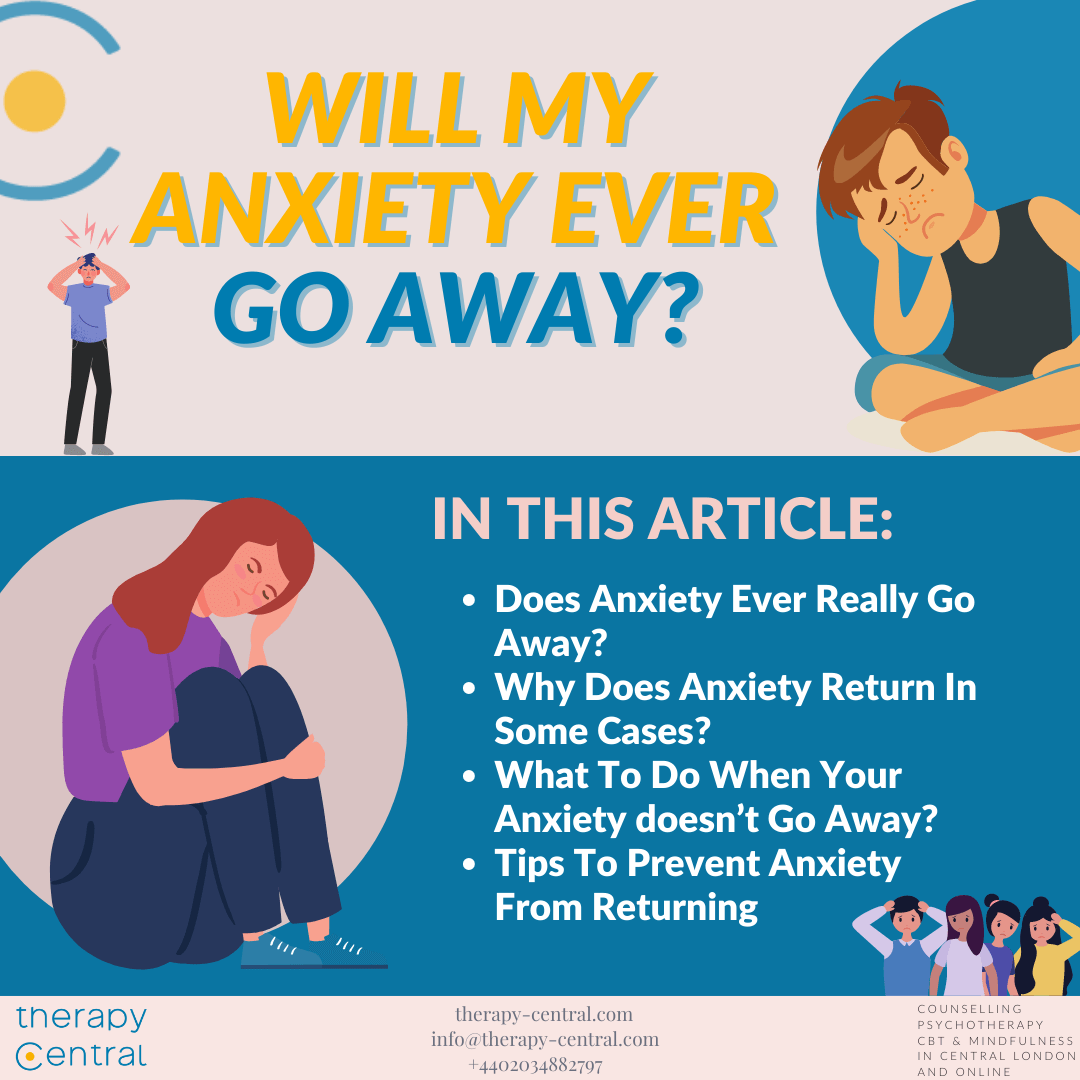
Are you constantly wondering if anxiety disorder is something you can eventually overcome? Well, I have good news for you. In this article, we will explore the question that is on everyone’s mind: does anxiety disorder go away? We’ll discuss different factors that can influence the course of anxiety disorder and offer some valuable insights on how to manage and even conquer this condition. So, let’s get started on this journey towards a brighter, anxiety-free future.
Understanding Anxiety Disorder
Anxiety disorder is a psychological condition characterized by excessive and irrational worry or fear. It is more than just feeling anxious occasionally; instead, it can significantly impact your daily life and well-being. Understanding anxiety disorder is crucial in order to address and manage it effectively.
Definition of Anxiety Disorder
Anxiety disorder is a broad term that encompasses various disorders, each with its own distinct symptoms and causes. It is important to consult a medical professional for an accurate diagnosis, as anxiety disorder can manifest differently in each individual.
Prevalence of Anxiety Disorder
Anxiety disorders are incredibly common, affecting millions of people worldwide. In fact, according to the World Health Organization, an estimated 264 million people suffer from anxiety disorders globally. This prevalence highlights the importance of raising awareness and providing support for those affected.
Causes of Anxiety Disorder
There is no singular cause of anxiety disorder, as it often arises from a combination of genetic, environmental, and psychological factors. High-stress lifestyles, traumatic experiences, family history of anxiety, and imbalances in brain chemistry may all contribute to the development of anxiety disorder.
Different Types of Anxiety Disorder
Anxiety disorder encompasses several specific disorders, each with its own set of symptoms and characteristics. Understanding these different types can help individuals and healthcare professionals identify and address specific needs.
Generalized Anxiety Disorder (GAD)
Generalized Anxiety Disorder is characterized by persistent and excessive worry about everyday activities or situations. Individuals with GAD often experience a heightened state of anxiety without any specific trigger.
Panic Disorder
Panic Disorder is characterized by sudden and recurrent panic attacks, which are intense episodes of fear or discomfort. These panic attacks may be accompanied by physical symptoms such as increased heart rate, shortness of breath, and chest pain.
Social Anxiety Disorder
Social Anxiety Disorder, also known as social phobia, involves an intense fear of social situations. Individuals with this disorder may fear judgment, embarrassment, or humiliation, leading to avoidance of social interactions.
Phobias
Phobias are specific fears directed towards certain objects, animals, or situations. They can be quite severe and disruptive to a person’s life. Common phobias include fear of heights, spiders, or flying.
Obsessive-Compulsive Disorder (OCD)
Obsessive-Compulsive Disorder is characterized by recurrent and intrusive thoughts (obsessions) that lead to repetitive behaviors (compulsions). These compulsions provide temporary relief from anxiety but can significantly impact daily life.
Post-Traumatic Stress Disorder (PTSD)
Post-Traumatic Stress Disorder may develop after experiencing or witnessing a traumatic event. Symptoms can include intrusive thoughts, flashbacks, nightmares, avoidance of triggers, and heightened anxiety.
Separation Anxiety Disorder
Separation Anxiety Disorder is commonly associated with children, but it can also affect adults. It involves excessive fear or distress when separated from attachment figures, causing significant distress and difficulty functioning.

Symptoms and Diagnosis
Recognizing the symptoms of anxiety disorder is crucial for an accurate diagnosis. While symptoms may vary depending on the specific type of anxiety disorder, there are common indicators to look for.
Common Symptoms of Anxiety Disorder
- Excessive worry or fear
- Restlessness or feeling on edge
- Difficulty concentrating
- Sleep disturbances
- Physical symptoms such as rapid heartbeat, sweating, and trembling
- Irritability or mood swings
- Avoidance of triggers or situations that provoke anxiety
Diagnosing Anxiety Disorder
Diagnosing anxiety disorder involves a thorough evaluation by a mental health professional. It typically includes a detailed assessment of symptoms, medical history, and any potential triggers or stressors. A proper diagnosis is essential for developing an effective treatment plan.
Treatment Options for Anxiety Disorder
Fortunately, there are several treatment options available for anxiety disorder, aimed at reducing symptoms and improving overall well-being. A combination of approaches may be used, depending on individual needs.
Psychotherapy
Psychotherapy, or talk therapy, is a common and effective treatment for anxiety disorder. Cognitive-Behavioral Therapy (CBT) is often recommended, as it helps individuals identify and challenge negative thought patterns and develop coping strategies.
Medication
Medication can be prescribed to manage anxiety disorder, particularly if symptoms are severe or significantly impact daily functioning. Antidepressants, anti-anxiety medications, and beta-blockers are commonly prescribed and may help reduce symptoms.
Lifestyle Changes
Incorporating lifestyle changes can have a positive impact on anxiety disorder. These changes may include regular exercise, sufficient sleep, a balanced diet, stress management techniques, and avoiding excessive caffeine or alcohol consumption.
Alternative Therapies
Alternative therapies, such as acupuncture, massage, yoga, and mindfulness meditation, can complement traditional treatments for anxiety disorder. These practices focus on relaxation, stress reduction, and overall well-being.

Prognosis of Anxiety Disorder
Anxiety disorder can be effectively managed with appropriate treatment and support. However, the long-term outlook and individual prognosis can vary depending on various factors.
Long-Term Outlook
With the right treatment and coping strategies, many individuals with anxiety disorder experience significant improvement in their symptoms and quality of life. Ongoing support and self-care are crucial for maintaining long-term wellness.
Factors Affecting Prognosis
Several factors can influence the prognosis of anxiety disorder, including the severity of symptoms, any underlying medical conditions, treatment adherence, and the presence of a support system. It is essential to work closely with healthcare professionals to tailor treatment approaches to individual needs.
Individual Variations
Each person’s experience with anxiety disorder is unique, and the response to treatment can vary greatly. It is important to remain patient and open to trying different approaches until the most effective treatment plan is found.
Can Anxiety Disorder Go Away on Its Own?
Anxiety disorder is a chronic condition that typically requires professional intervention to manage effectively. While individual symptoms may wax and wane over time, it is unlikely for anxiety disorder to go away on its own without proper treatment.
Spontaneous Remission
In rare cases, individuals may experience spontaneous remission, where symptoms significantly lessen or disappear without any apparent intervention. However, it is essential to seek professional help and not rely solely on the possibility of spontaneous remission.
Natural Progression of Anxiety Disorders
Without proper treatment, anxiety disorders can worsen over time and significantly impact daily life. Early intervention and appropriate treatment can prevent the natural progression of anxiety disorders and improve long-term outcomes.
:max_bytes(150000):strip_icc()/do-i-have-anxiety-5207282-Final-4bbc1ad0baff4175b9ca76574faa9de6.jpg "Does Anxiety Disorder Go Away?")
Effects of Treatment
Receiving treatment for anxiety disorder can have profound positive effects on individuals’ lives, both symptomatically and overall well-being.
Reducing Symptoms
Proper treatment aims to reduce the frequency and intensity of anxiety symptoms. This may result in decreased worry, improved sleep patterns, reduced physical distress, and overall better emotional functioning.
Improving Quality of Life
Managing anxiety disorder can significantly improve one’s quality of life. By addressing the underlying causes and learning effective coping strategies, individuals can regain control, engage in activities they enjoy, and maintain healthier relationships.
Preventing Relapses
Ongoing treatment and maintenance strategies can help prevent relapses or exacerbation of anxiety symptoms. Regular therapy sessions, medication adherence, healthy lifestyle habits, and self-care techniques are essential for long-term management.
Self-Help Strategies
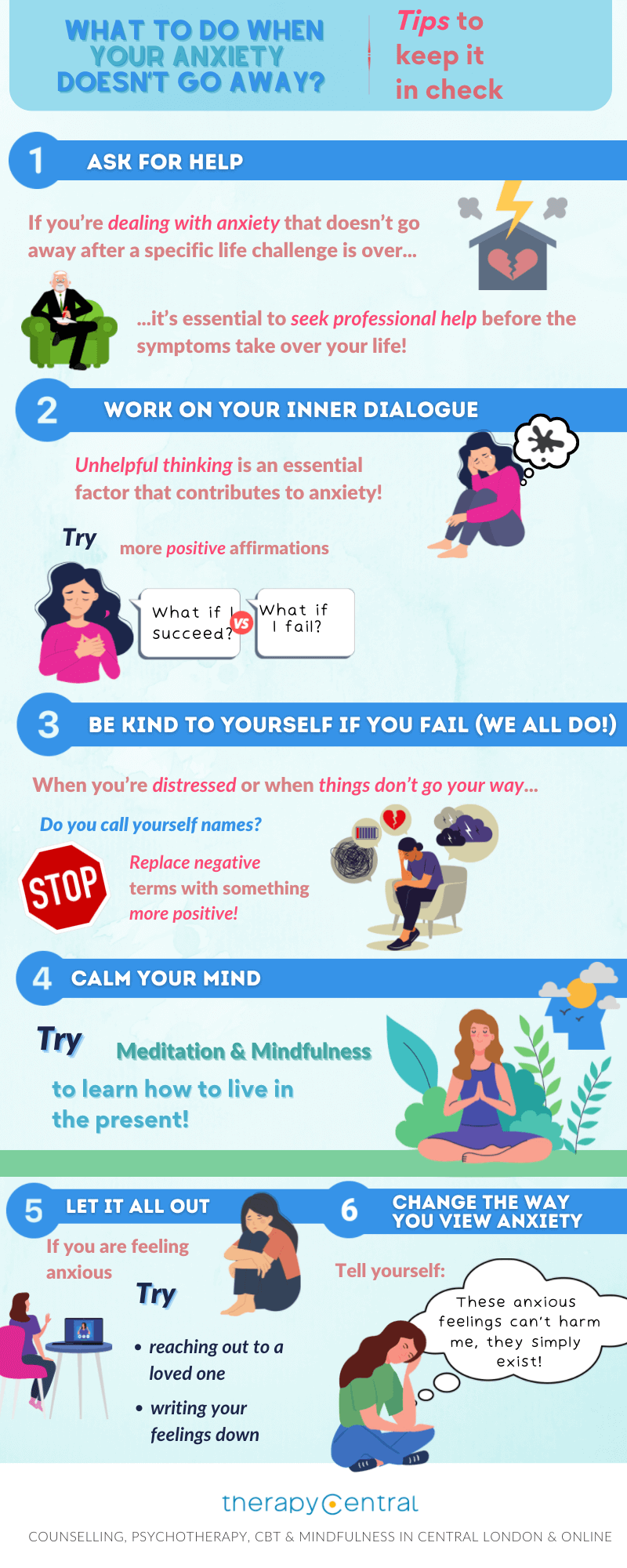
In addition to professional treatment, implementing self-help strategies can complement the management of anxiety disorder.
Coping Techniques
Learning effective coping techniques, such as deep breathing exercises, progressive muscle relaxation, and grounding techniques, can help individuals manage anxiety symptoms during stressful situations.
Stress Management
Effectively managing stress is crucial in reducing anxiety. Engaging in activities such as regular exercise, practicing mindfulness, prioritizing self-care, and seeking support from loved ones can all contribute to stress reduction.
Relaxation Exercises
Incorporating relaxation exercises into daily routines, such as meditation, yoga, and guided imagery, can promote a sense of calm and reduce anxiety levels over time.
Support Groups
Participating in support groups or seeking out online communities can provide individuals with a sense of belonging and understanding. Sharing experiences with others who have similar struggles can be comforting and empowering.
Seeking Professional Help
Knowing when to seek professional help is essential for effectively managing anxiety disorder.
When to Seek Help
It is important to seek professional help if anxiety symptoms significantly interfere with daily life or cause distress. Additionally, if symptoms persist or worsen over time, it is advisable to consult a mental health professional.
Finding the Right Therapist
Finding the right therapist is crucial for successful treatment. Look for licensed mental health professionals with experience in treating anxiety disorders. Personal compatibility, expertise, and a supportive therapeutic relationship are key factors to consider.
Medication Considerations
If prescribed medication, it is important to follow the healthcare professional’s recommendations and monitor any potential side effects. Regular check-ins and open communication with the prescribing doctor are vital for adjusting medication plans as needed.
Alternative Approaches
In addition to traditional treatment options, some individuals may explore alternative approaches to managing anxiety disorder.
Complementary and Alternative Medicine
Complementary and alternative medicine approaches, such as herbal supplements, acupuncture, or aromatherapy, may be considered as adjuncts to traditional treatments. However, it is important to discuss these options with healthcare professionals, as they may interact with prescribed medication.
Exercise and Physical Activity
Engaging in regular physical activity has been shown to have positive effects on mental well-being, including anxiety reduction. Incorporating exercise into daily routines can release endorphins, alleviate stress, and promote overall wellness.
Diet and Nutrition
While diet alone cannot cure anxiety disorder, maintaining a balanced and nutritious diet can support overall mental and physical health. Avoid excessive caffeine or alcohol, as they can exacerbate anxiety symptoms.
Mindfulness and Meditation
Practicing mindfulness and meditation can help individuals cultivate a greater sense of self-awareness and reduce anxiety levels. By focusing on the present moment and letting go of worries, individuals can experience a calmer state of mind.
Understanding anxiety disorder is the first step towards effectively managing it. By seeking professional help, implementing self-help strategies, and exploring alternative approaches, individuals can gain control over their anxiety and lead fulfilling lives. Remember, you are not alone in this journey, and support is available. You have the power to overcome anxiety disorder and live a happier, more balanced life.