

Life can throw numerous challenges and stressors our way, and sometimes it can feel overwhelming. That’s why it’s crucial for individuals to develop resilience, a powerful tool that helps us better cope with the trials and tribulations of life. Resilience acts as a shield, equipping us with the ability to bounce back from setbacks and persevere through difficult times. In this article, we will explore some effective strategies and practices that can help you build resilience, allowing you to navigate the ups and downs of life with strength and determination. So, let’s embark on this journey together and discover how you can cultivate resilience within yourself.
Identifying and Understanding Stressors
Recognizing common stressors in everyday life
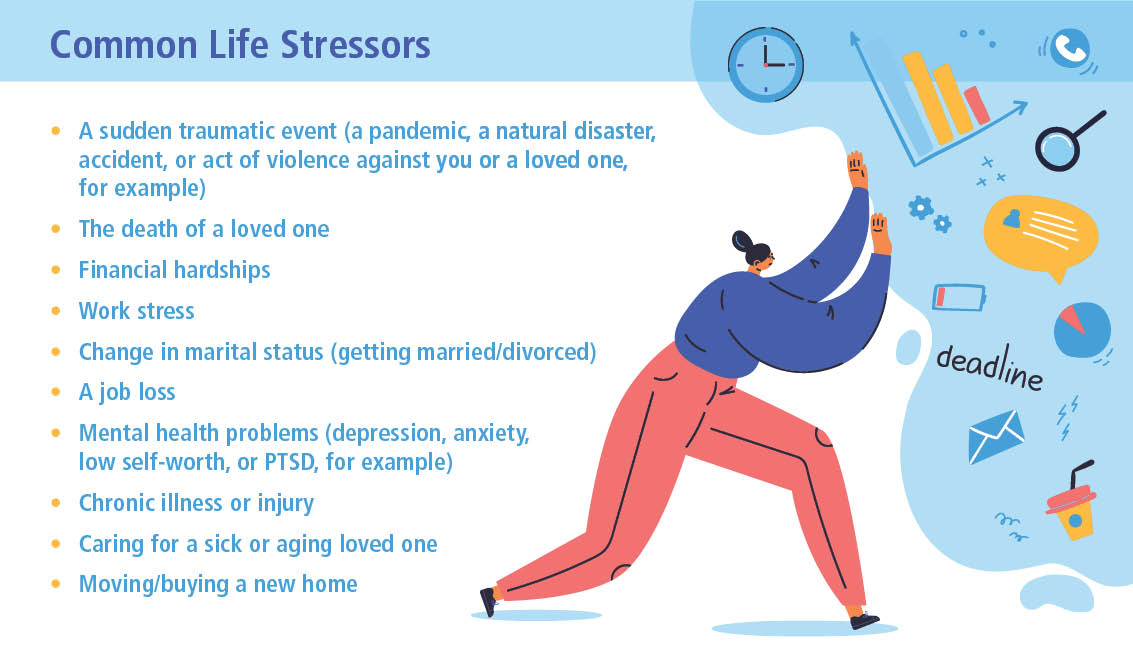
In order to effectively manage and cope with stress, it is crucial to first identify the common stressors that we encounter in our everyday lives. These stressors can come in various forms, such as work-related pressures, financial burdens, relationship conflicts, or health concerns. By becoming aware of the specific stressors that trigger negative emotions or reactions, we can begin to develop strategies to better handle them.
Understanding the impact of stress on mental and physical health
Stress can have a significant impact on our mental and physical well-being. When we experience stress, our bodies react by releasing stress hormones, which can lead to elevated heart rate, increased blood pressure, and heightened anxiety. Prolonged exposure to stress can result in chronic health conditions, such as cardiovascular disease, depression, and weakened immune function. By understanding the toll that stress can take on our bodies, we are motivated to take proactive steps to manage and reduce it.
Exploring the different types of stressors
Stressors can be divided into two main categories: external and internal stressors. External stressors include factors outside of ourselves, such as work demands, financial issues, or conflicts with others. Internal stressors, on the other hand, originate from within us, such as negative self-talk, unrealistic expectations, or perfectionism. It is important to recognize that both external and internal stressors can contribute to feelings of overwhelm and tension. By identifying the different types of stressors in our lives, we can develop targeted strategies to address and minimize their impact.
Developing Emotional Awareness
Recognizing and labeling emotions
Emotional awareness involves recognizing and understanding the range of emotions that we experience on a daily basis. Often, we may ignore or suppress certain emotions, which can lead to increased stress and difficulty in coping. By learning to recognize and label our emotions, we can gain a deeper understanding of ourselves and our reactions to various situations. This self-awareness allows us to address our emotions in a healthy and constructive manner.
Understanding the connection between thoughts, emotions, and behaviors
Our thoughts, emotions, and behaviors are intricately connected. The way we perceive a situation or interpret our experiences can greatly influence our emotional state and subsequent actions. For example, if we consistently have negative thoughts about our abilities, we may feel anxious or discouraged, leading to behaviors that reflect these emotions. By understanding this connection, we can challenge and reframe negative thoughts, ultimately impacting our emotional well-being in a positive way.
Practicing mindfulness and self-reflection
Mindfulness and self-reflection are powerful tools for developing emotional awareness and managing stress. Mindfulness involves being fully present in the current moment, without judgment or attachment to thoughts or emotions. By practicing mindfulness techniques such as deep breathing, meditation, or body scans, we can cultivate a sense of calm and clarity. Self-reflection, on the other hand, involves taking the time to introspect and explore our thoughts, emotions, and behaviors. Journaling, discussing with a trusted friend, or seeking professional guidance can all aid in this process of self-discovery.
Building a Supportive Network
Identifying and nurturing healthy relationships
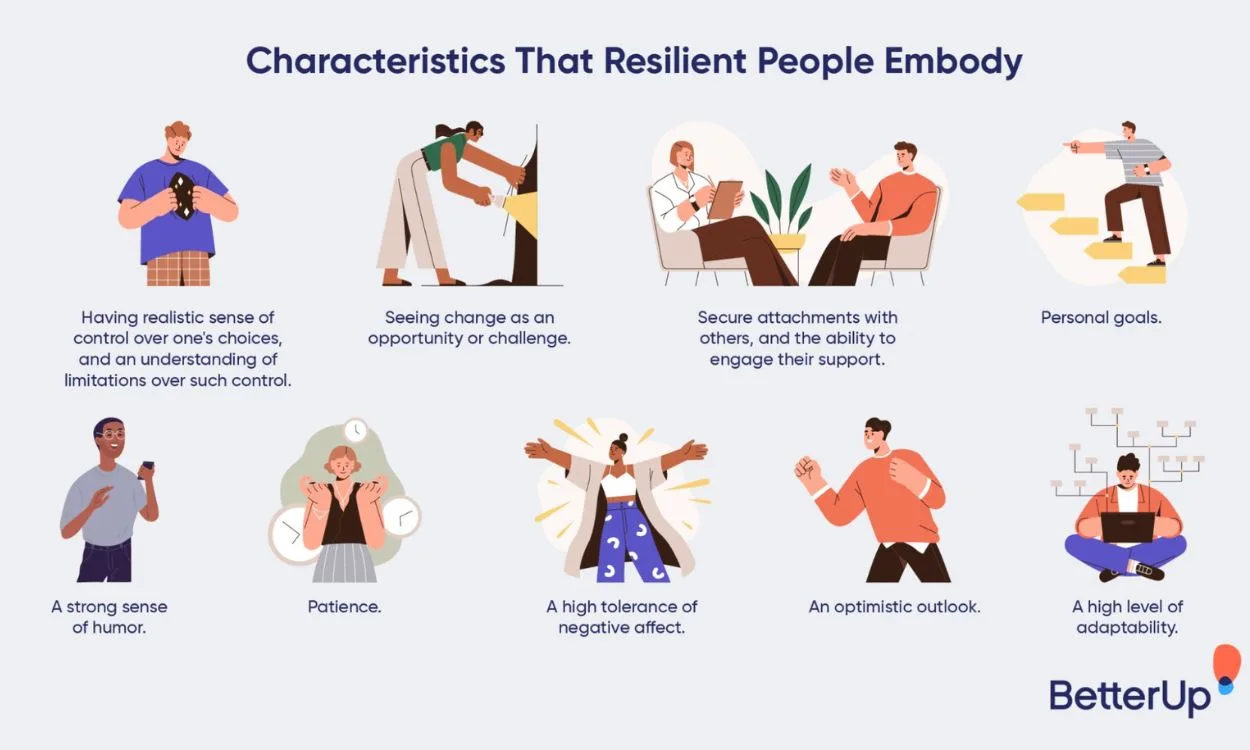
Building a supportive network of friends, family, and like-minded individuals plays a crucial role in managing and coping with stress. By surrounding ourselves with positive influences and nurturing healthy relationships, we create a strong foundation of support. It is important to identify individuals who uplift us, provide emotional support, and offer constructive advice. Regularly investing time and effort into these relationships fosters a sense of belonging, connection, and security.
Seeking support from friends, family, and professional networks
During times of stress, it is important to reach out and seek support from those around us. Friends, family members, and professional networks can offer valuable guidance, encouragement, and a fresh perspective. Sharing our thoughts and concerns with trusted individuals not only lightens the emotional burden but also provides opportunities for problem-solving and receiving practical support. Recognizing that we don’t have to face challenges alone can greatly enhance our ability to cope with stress.
Building a support system of like-minded individuals or groups
In addition to seeking support from close relationships, it can be beneficial to build a support system of like-minded individuals or groups. This may include joining support groups, participating in hobby clubs, or engaging in online communities centered around shared interests. Connecting with individuals who have similar experiences or goals can provide a unique sense of camaraderie and understanding. Sharing experiences, seeking advice, and celebrating successes together can contribute to a sense of empowerment and resilience.
Cultivating Positive Thinking
Challenging negative thoughts and reframing them in a positive light
Negative thoughts can be overwhelming and contribute to increased stress levels. However, by challenging and reframing these negative thoughts, we can cultivate a more positive mindset. When a negative thought arises, ask yourself if it is based on facts or if it is an irrational belief. Often, negative thoughts are the result of distortions or unrealistic expectations. By consciously replacing negative thoughts with positive, realistic alternatives, we can shift our perspective and reduce stress.
Practicing gratitude and self-affirmation
Practicing gratitude involves intentionally focusing on the positive aspects of our lives and the things we are grateful for. This simple practice can help foster a sense of contentment and appreciation, even in the face of challenging circumstances. Additionally, self-affirmation involves intentionally acknowledging and reminding ourselves of our strengths, abilities, and accomplishments. By incorporating daily gratitude and self-affirmation exercises into our routine, we can train our minds to focus on the positive and build resilience in the face of stress.
Engaging in positive self-talk and visualization
Our internal dialogue greatly influences our emotional state and our ability to cope with stress. Engaging in positive self-talk involves consciously replacing negative or self-critical thoughts with kind and encouraging ones. For example, instead of telling yourself, “I can’t do this,” replace it with, “I am capable and resilient.” Visualization is another powerful technique where we imagine ourselves successfully overcoming challenges and achieving our goals. By practicing positive self-talk and visualization regularly, we can cultivate a positive mindset and strengthen our ability to navigate stressful situations.
Developing Healthy Coping Strategies
Building physical resilience through regular exercise and healthy habits
Physical health plays a vital role in managing and coping with stress. Regular exercise and a well-balanced diet can improve our overall well-being and enhance our ability to handle stress. Engaging in physical activities that we enjoy, such as walking, swimming, or yoga, not only boost our energy levels but also release endorphins, which are natural mood enhancers. Additionally, establishing healthy habits such as getting enough sleep, staying hydrated, and avoiding excessive caffeine or alcohol can significantly impact our stress levels and resilience.
Practicing stress-reducing techniques such as deep breathing and meditation
Incorporating stress-reducing techniques into our daily routine can help us relax and recharge. Deep breathing exercises, such as diaphragmatic breathing or box breathing, can activate the body’s relaxation response and reduce stress hormones. Meditation, on the other hand, involves focusing the mind and calming racing thoughts. By practicing mindfulness meditation or guided visualizations, we can cultivate a sense of calm and clarity, ultimately enhancing our ability to cope with stress.
Engaging in hobbies and activities that bring joy and relaxation
Engaging in hobbies and activities that bring us joy and relaxation is an important aspect of building resilience. Whether it be painting, gardening, playing a musical instrument, or simply spending time in nature, these activities provide a break from the demands of everyday life and allow us to recharge. By dedicating time to pursue our passions, we not only experience pleasure and fulfillment but also develop a reservoir of positive emotions and coping strategies to draw upon during stressful times.
Setting Realistic Goals and Managing Expectations
Setting achievable goals that align with personal values and priorities
Setting realistic and achievable goals is key to managing stress and maintaining motivation. It is important to identify goals that align with our personal values and priorities. By breaking down larger goals into smaller, manageable tasks, we can create a sense of progress and accomplishment. Setting clear and specific goals allows us to focus our energy and resources effectively, reducing feelings of overwhelm and increasing our chances of success.
Breaking down larger goals into smaller, manageable tasks
Breaking down larger goals into smaller, manageable tasks is an effective strategy to prevent overwhelm and promote productivity. By creating a step-by-step plan, we can tackle tasks one at a time, allowing us to make steady progress towards our goals. This approach not only enhances our sense of control and accomplishment but also prevents procrastination and reduces stress associated with unrealistic expectations.
Evaluating and adjusting expectations to avoid undue pressure
It is important to regularly evaluate and adjust our expectations to avoid placing undue pressure on ourselves. Often, unrealistic expectations can fuel stress and lead to feelings of failure or inadequacy. By being flexible and adaptable, we can set more realistic expectations based on the current circumstances. Recognizing that success is often a result of gradual progress and unforeseen obstacles can help us manage stress and maintain a healthy perspective.
Enhancing Problem-Solving Skills
Developing effective communication and conflict resolution skills
Effective communication and conflict resolution skills are essential for navigating stressful situations and building resilience. By learning to express our needs, concerns, and boundaries assertively and respectfully, we can reduce misunderstandings and conflicts. Active listening and empathy are also crucial components of effective communication, fostering understanding and open dialogue. By developing these skills, we can enhance our problem-solving abilities and build more positive and harmonious relationships.
Learning to adapt and find creative solutions
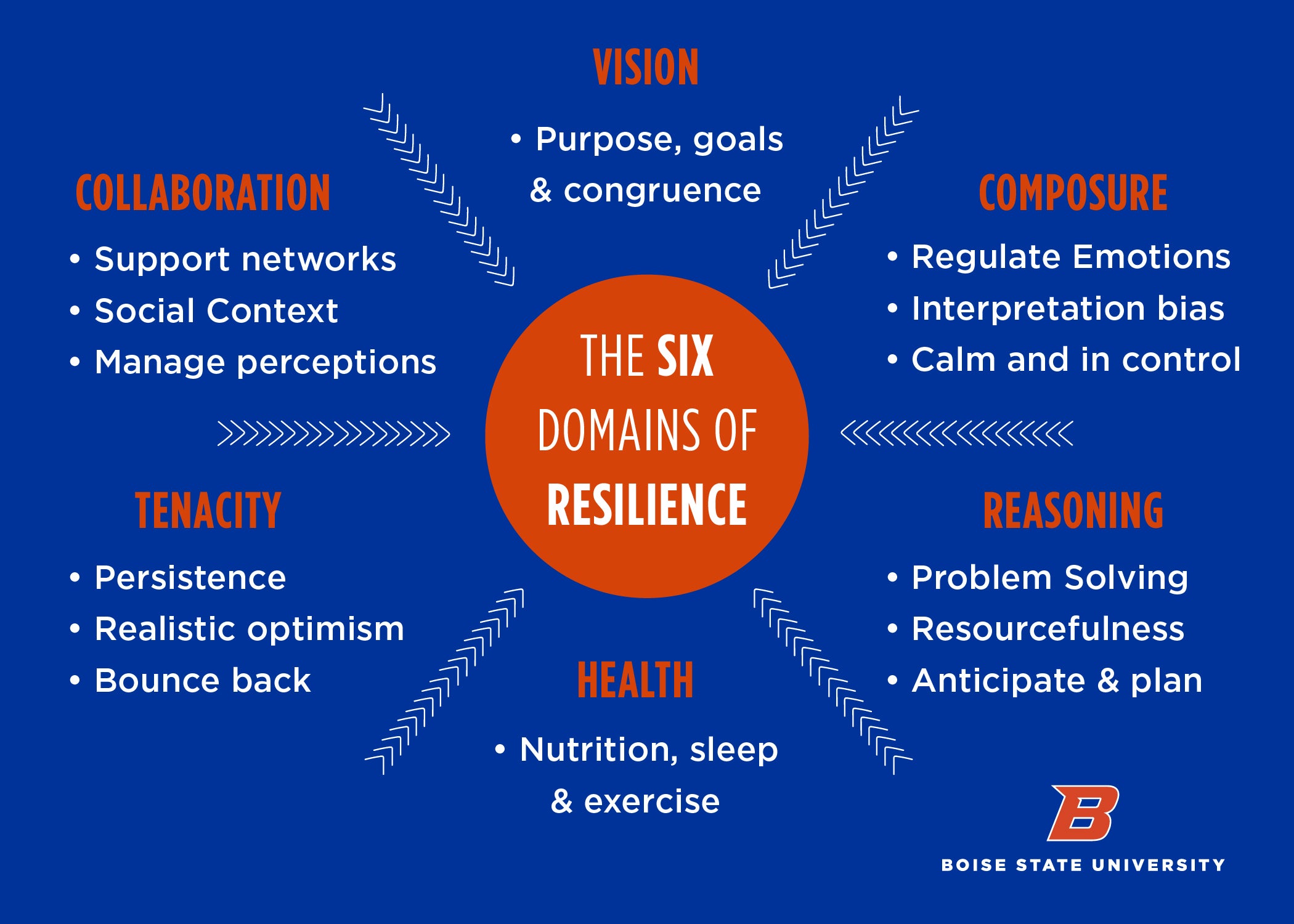
In order to effectively cope with stress, it is important to be adaptable and open to finding creative solutions. Life is full of unexpected challenges and changes, and being able to adapt and think outside the box is key. This may involve brainstorming alternative approaches, seeking advice from others, or exploring different perspectives. Embracing flexibility and learning to embrace change as an opportunity for growth strengthens our problem-solving skills and increases our resilience.
Seeking help and guidance when needed
Recognizing when we need help and seeking guidance from others is a sign of strength, not weakness. There may be times when we encounter challenges that feel overwhelming or beyond our capabilities to handle on our own. In these instances, reaching out to trusted friends, family members, or professionals can provide valuable support and insight. Whether it is seeking advice from a mentor, consulting a therapist, or joining a support group, asking for help allows us to tap into additional resources and perspectives, enhancing our problem-solving abilities.
Practicing Self-Care and Prioritizing Well-Being
Taking time for self-care activities such as relaxation, hobbies, and pampering
Self-care activities are essential for overall well-being and stress management. Taking time to relax, engage in hobbies, and pamper ourselves promotes a sense of balance and rejuvenation. Whether it is enjoying a bubble bath, reading a book, or practicing mindfulness, self-care activities provide an opportunity to recharge and refocus. By prioritizing self-care, we give ourselves permission to rest and nurture our minds, bodies, and souls.
Prioritizing sleep, nutrition, and overall health
Ensuring sufficient sleep, maintaining a nutritious diet, and prioritizing overall health are fundamental aspects of coping with stress and building resilience. Sleep deprivation and poor nutrition can significantly impact our mood, cognitive function, and ability to handle stress. By establishing healthy sleep habits, eating a balanced diet, and incorporating regular exercise into our routine, we provide our bodies and minds with the necessary resources to effectively cope with life’s stressors.
Setting boundaries and ensuring personal needs are met
Setting boundaries and ensuring that our personal needs are met is an integral part of self-care and stress management. It is important to recognize our limits and communicate our boundaries to others. This may involve saying no to excessive commitments, delegating tasks, or seeking support when needed. By honoring our personal needs and boundaries, we create a sense of empowerment, reduce feelings of overwhelm, and protect our overall well-being.
Embracing Change and Building Resilience
Understanding that change is a natural part of life
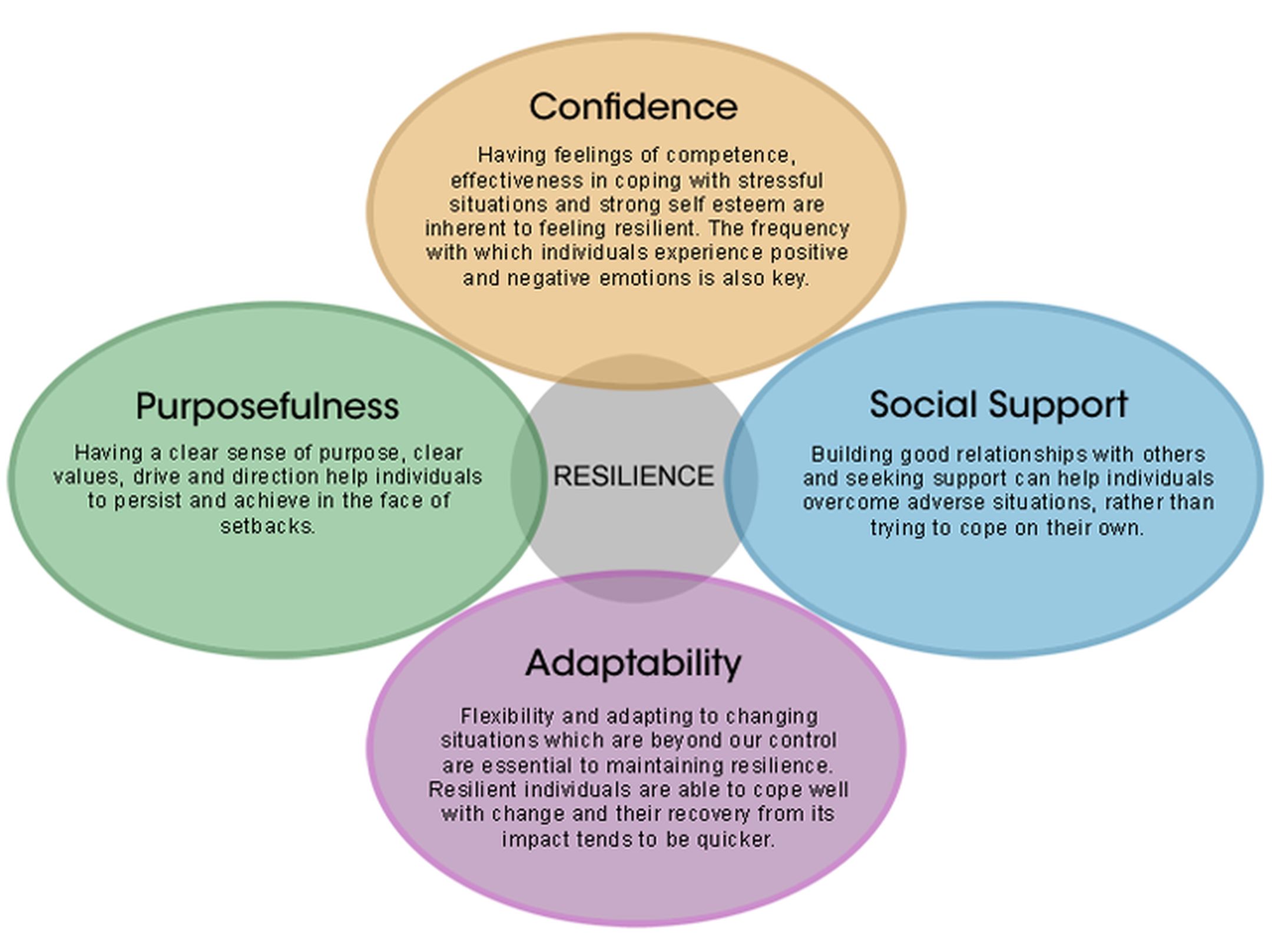
Change is a natural and inevitable part of life. Rather than resisting or fearing change, embracing it can contribute to our overall resilience and well-being. By recognizing that change often brings new opportunities for growth, learning, and personal development, we can approach it with a sense of curiosity and openness. Cultivating a mindset that embraces change as a positive force allows us to navigate through life’s transitions with greater ease and adaptability.
Adapting and seeking opportunities for growth in challenging situations
Challenging situations often provide opportunities for personal growth and learning. When faced with adversity, it is important to focus on finding solutions and embracing the lessons that can be learned along the way. By reframing challenges as opportunities for growth, we can build resilience and develop new skills and strategies for coping with stress. Seeking support from others, maintaining a positive mindset, and reflecting on our experiences can all contribute to our ability to adapt and grow.
Developing flexibility and adaptability
Flexibility and adaptability are key qualities for building resilience. Life rarely goes according to plan, and being able to adapt to unexpected changes and challenges is crucial. By cultivating a mindset of flexibility and embracing uncertainty, we can approach stressful situations with a sense of curiosity and problem-solving. This allows us to navigate through difficult times with greater ease and bounce back stronger, ultimately building resilience in the face of life’s stressors.
Seeking Professional Help When Needed
Recognizing signs of excessive stress or mental health concerns
It is important to recognize when the stress we are experiencing becomes excessive and starts to impact our mental health. Signs of excessive stress may include persistent feelings of anxiety or depression, changes in sleep or eating patterns, social withdrawal, or difficulty concentrating. Additionally, if stress becomes overwhelming and begins to interfere with our daily functioning and relationships, it may be indicative of a more serious mental health concern. It is crucial to be aware of these signs and seek professional help when needed.
Seeking support from mental health professionals
Mental health professionals, such as therapists or counselors, are trained to provide support, guidance, and treatment for individuals struggling with stress and mental health concerns. They can offer valuable insights, tools, and coping strategies tailored to individual needs. If stress or mental health concerns become overwhelming, reaching out to a mental health professional is an important step towards better managing and coping with stress.
Accessing therapy, counseling, or medication if necessary
In some cases, therapy, counseling, or medication may be necessary to effectively manage stress and mental health concerns. Licensed mental health professionals can provide evidence-based therapies, such as cognitive-behavioral therapy, which can help individuals develop coping strategies and address underlying issues. Medication, when prescribed by a healthcare professional, can also be a valuable tool in managing stress and improving mental well-being. It is essential to remember that seeking professional help is a sign of strength and a proactive step towards better coping with life’s stressors.
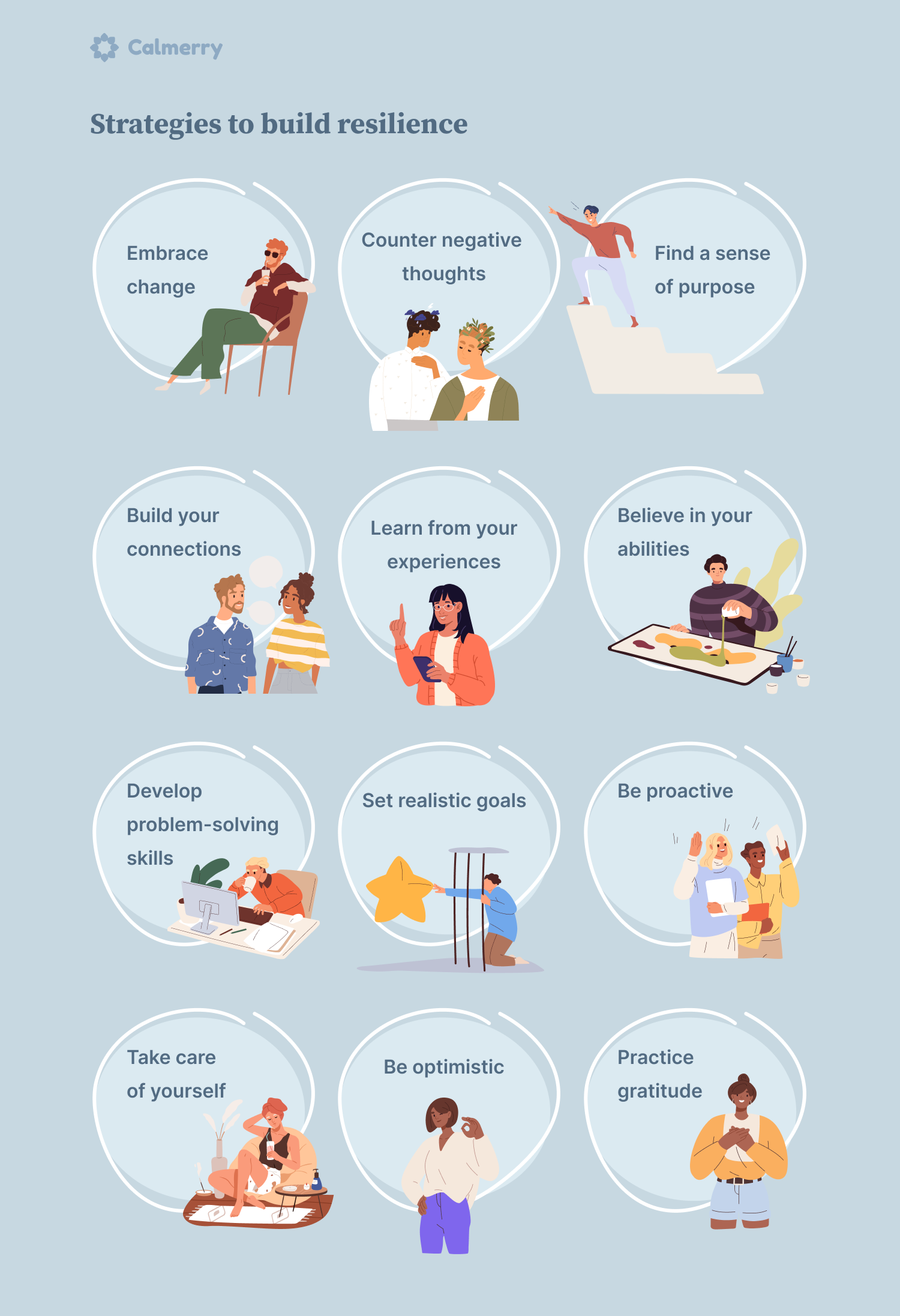
In conclusion, building resilience and developing effective coping strategies is crucial for managing and navigating life’s stressors. By identifying and understanding stressors, developing emotional awareness, building a supportive network, cultivating positive thinking, developing healthy coping strategies, setting realistic goals, enhancing problem-solving skills, practicing self-care, embracing change, and seeking professional help when needed, individuals can build resilience and better cope with the challenges that arise. With dedication, self-reflection, and persistence, individuals can develop the skills and mindset necessary to thrive in the face of stress and adversity.