Anxiety, a common mental health condition, has far-reaching effects that extend beyond just the mind. In this article, we explore the various ways in which anxiety can impact the body. From increased heart rate and escalated breathing patterns to digestive disturbances and muscle tension, anxiety takes its toll on the entire physical system. Gain a deeper understanding of this intricate relationship between anxiety and the body, and discover strategies to mitigate its impact.
Physical Symptoms of Anxiety
Muscle tension and pain
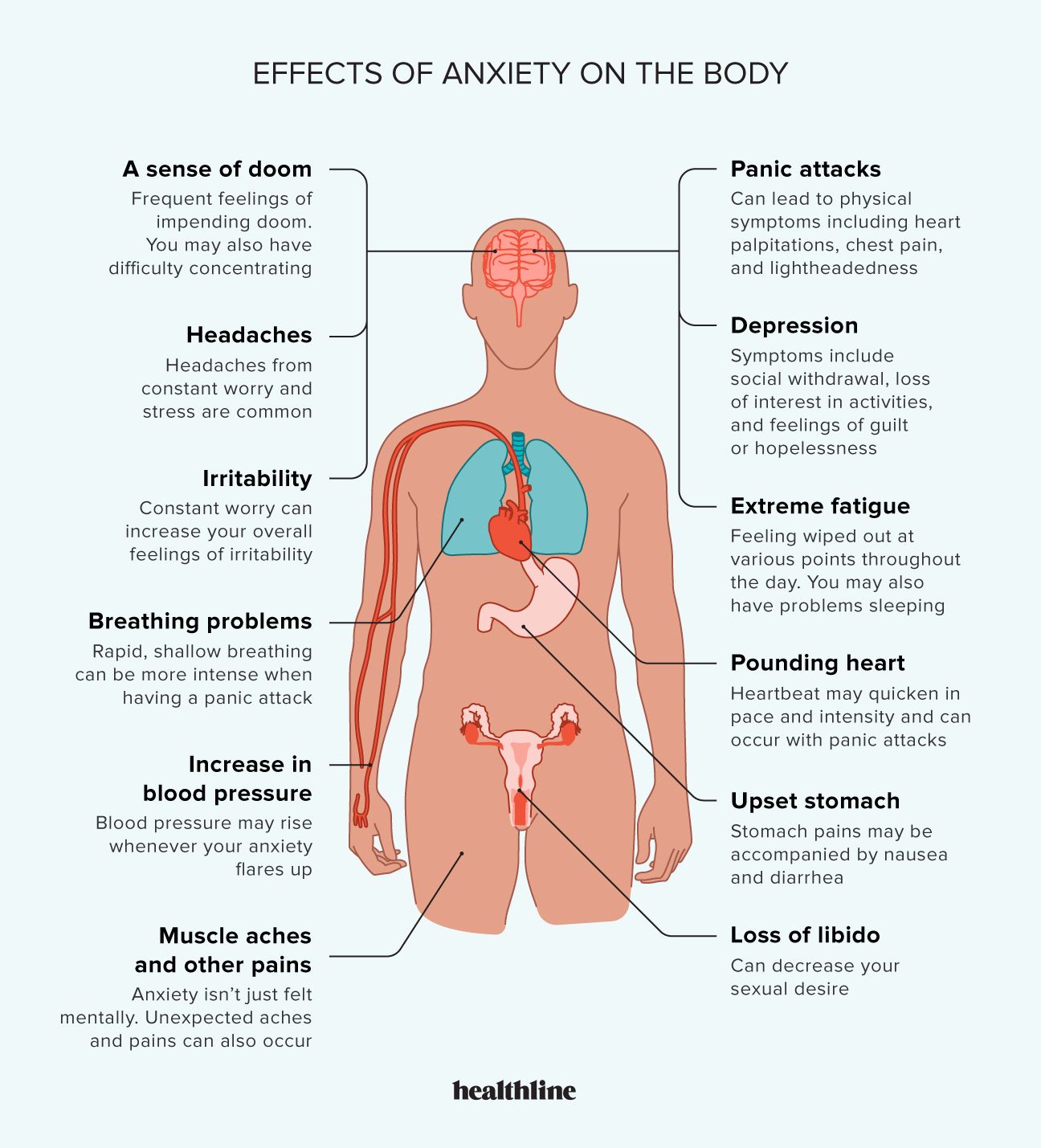
When you’re feeling anxious, your muscles tend to tighten and contract, leading to muscle tension and pain. This can be experienced in various parts of your body, such as your neck, shoulders, back, and even your jaw. You may notice that your muscles feel tense or stiff, making it difficult to relax or perform everyday tasks. This muscle tension can be a constant presence, adding to your overall discomfort and exacerbating your anxiety.
Headaches
Anxiety commonly manifests itself through the presence of headaches. The stress and tension caused by anxiety can lead to consistent and intense headaches. These headaches are often described as a tight band wrapped around your head or a squeezing sensation. The severity of the headaches can vary, from mild discomfort to debilitating pain, making it difficult to focus or carry out your daily activities.
Digestive problems
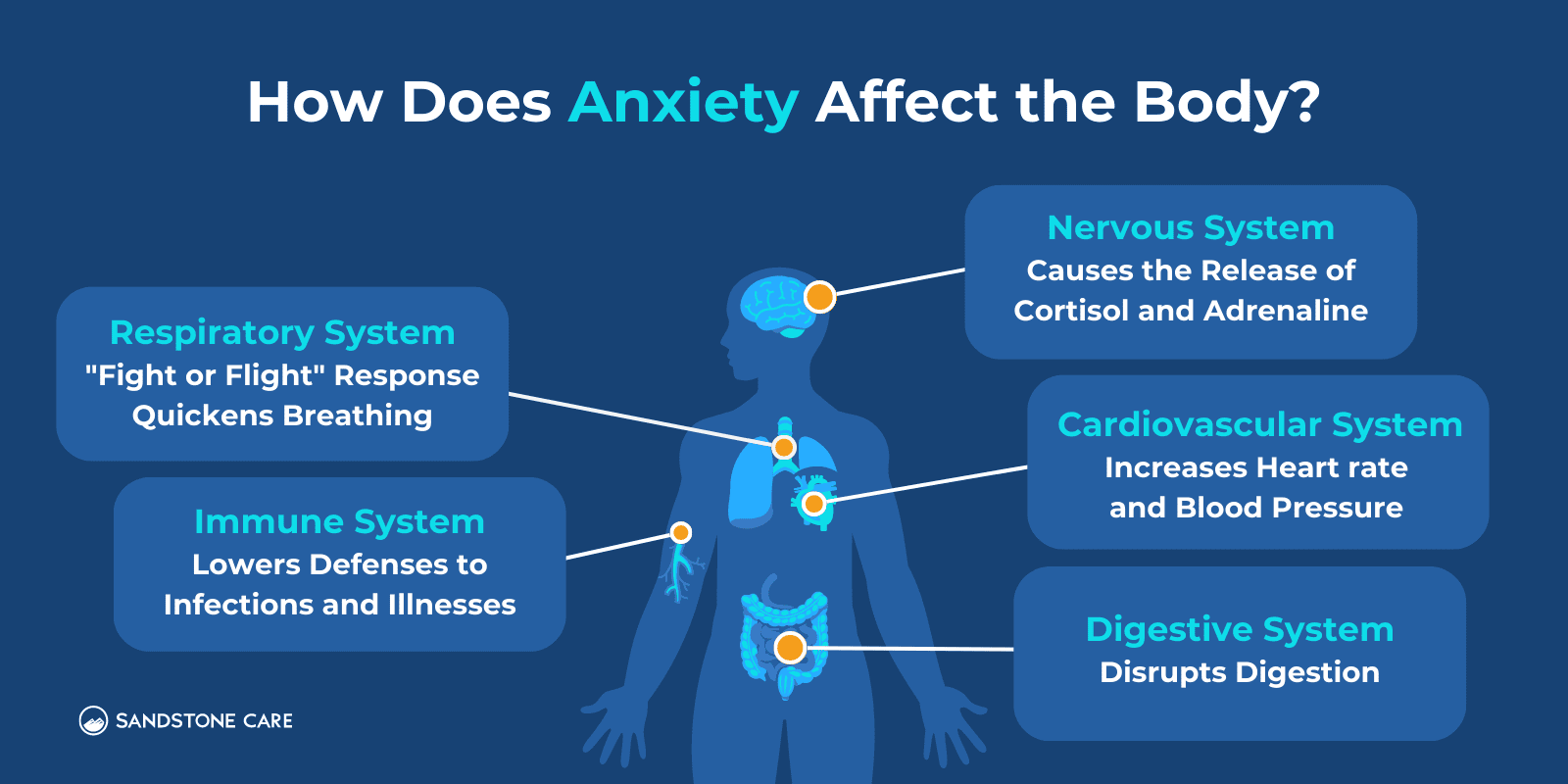
Anxiety can wreak havoc on your digestive system. It can cause a range of gastrointestinal issues, such as stomachaches, nausea, diarrhea, and even constipation. When you’re feeling anxious, your body activates the “fight or flight” response, diverting blood away from your digestive system to other parts of your body. This can result in disrupted digestion and the unpleasant symptoms mentioned above.
Rapid heartbeat
One of the most noticeable physical symptoms of anxiety is a rapid heartbeat. When you’re anxious, your body releases stress hormones, such as adrenaline, which can cause your heart to beat faster. This can create a sense of uneasiness, as your heart rate may feel irregular or pounding in your chest. Rapid heartbeat is not only uncomfortable but can also exacerbate anxiety symptoms, leading to a vicious cycle of anxiety and physical distress.
Shortness of breath
Anxiety can also affect your breathing patterns, leading to shortness of breath or the feeling of not being able to take a deep breath. This can leave you feeling like you’re not getting enough air, which can further increase your anxiety. Shortness of breath during anxiety attacks can be particularly distressing, making it difficult to calm down and regain your composure. It’s important to focus on deep, slow breathing techniques to help alleviate this symptom.
Impact on the Immune System
Weakened immune response
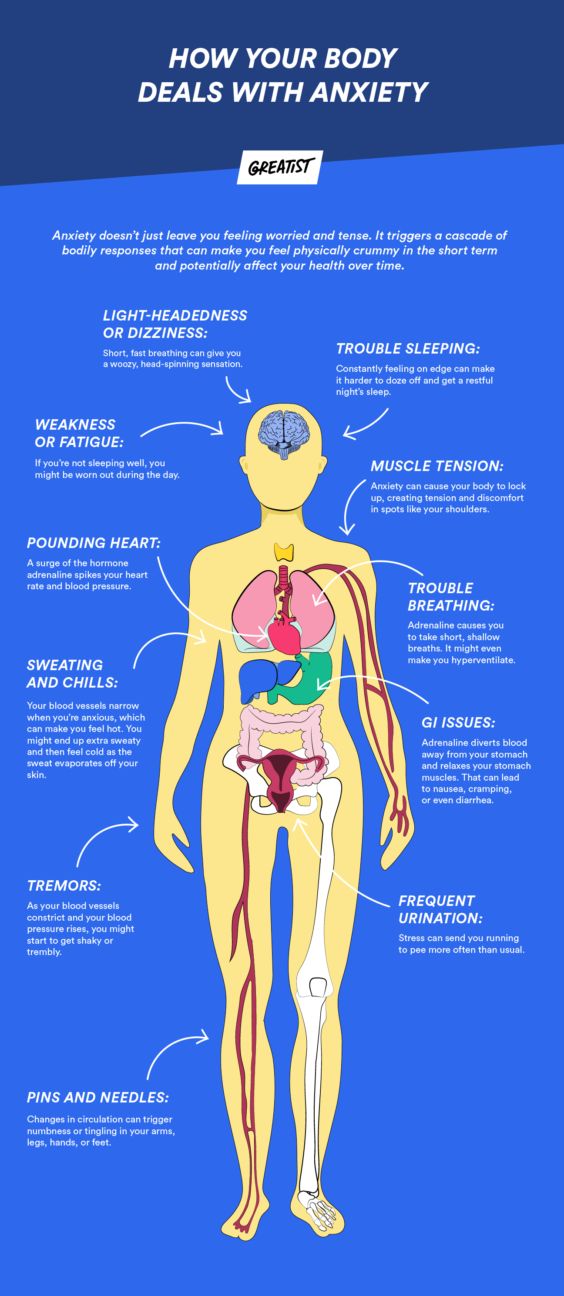
Prolonged periods of anxiety can have a negative impact on your immune system, weakening your body’s ability to fight off illnesses and infections. When you’re constantly in a state of stress and anxiety, your body’s immune response may become compromised. This can make you more susceptible to catching colds, viruses, and other infections. It’s essential to take proactive steps to manage your anxiety and prioritize self-care to support your immune system.
Increased susceptibility to illnesses
In addition to weakening your immune system, anxiety can also lead to an increased susceptibility to various illnesses. Research has shown that chronic anxiety is associated with a higher risk of developing conditions such as cardiovascular disease, autoimmune disorders, and even certain types of cancer. It’s crucial to seek proper medical care and incorporate stress-reducing techniques to reduce the impact of anxiety on your overall health.
Effects on the Cardiovascular System
High blood pressure
Anxiety can contribute to high blood pressure, also known as hypertension. When you’re anxious, your body releases stress hormones, which can cause your blood vessels to constrict, leading to increased blood pressure levels. Prolonged periods of high blood pressure can put a strain on your cardiovascular system and increase your risk of developing heart-related issues.
Increased risk of heart disease
Chronic anxiety has been associated with an increased risk of developing heart disease. The constant release of stress hormones can have detrimental effects on your heart and blood vessels over time. It can contribute to the buildup of plaque in your arteries, increase inflammation, and raise cholesterol levels. These factors combined can significantly increase your risk of heart attacks, strokes, and other cardiovascular problems.
Elevated heart rate
Anxiety can cause your heart rate to rise, making it beat faster than usual. This increased heart rate is a result of the surge of stress hormones in your body. While a temporary increase in heart rate is a natural response to stress, chronic anxiety can lead to a continually elevated heart rate. Prolonged periods of elevated heart rate can put strain on your heart and cardiovascular system, increasing your risk of cardiovascular disease.
Respiratory System
Hyperventilation
Anxiety can trigger episodes of hyperventilation, where you start to breathe rapidly and shallowly. This can lead to an imbalance of oxygen and carbon dioxide in your body, causing symptoms such as lightheadedness, dizziness, and tingling sensations. Hyperventilation can be frightening and intensify your feelings of anxiety, creating a cycle of physical and emotional distress.
Difficulty breathing
Feelings of anxiety can also make it difficult to breathe, leading to a sensation of not getting enough air. It may feel like you have to put extra effort into breathing or that you can’t take a deep breath. This can contribute to feelings of panic, further exacerbating your anxiety symptoms. Practicing deep breathing exercises and relaxation techniques can help alleviate this symptom.
Asthma symptoms
For individuals with asthma, anxiety can trigger or worsen asthma symptoms. The stress and anxiety can lead to the constriction of the airways, causing wheezing, coughing, and shortness of breath. It’s important for individuals with asthma to manage their anxiety effectively to reduce the frequency and severity of these symptoms.
Gastrointestinal Issues
Stomachaches
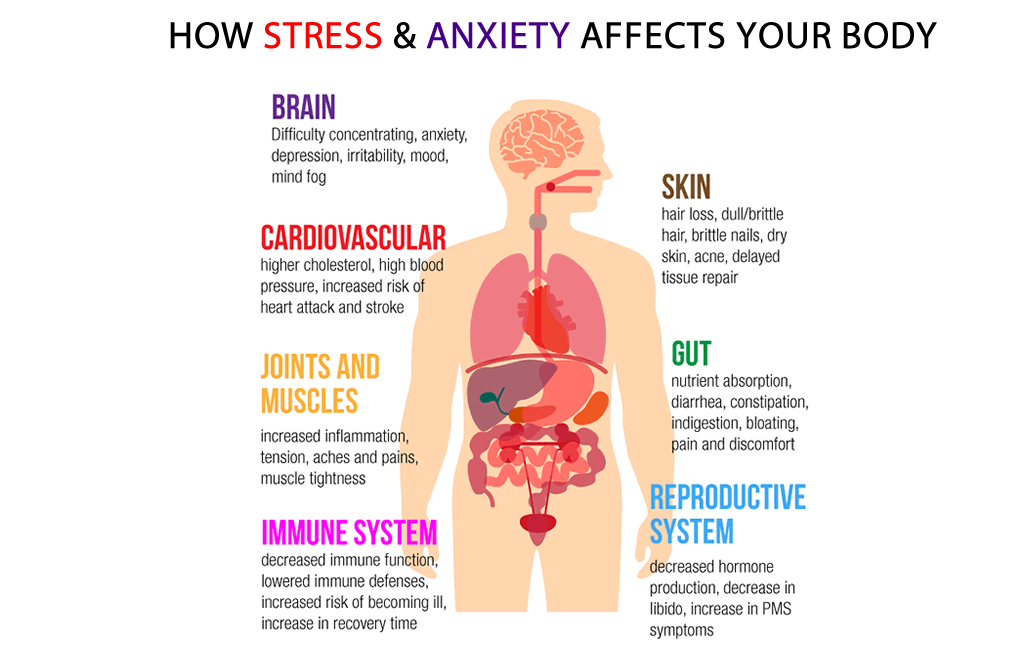
Anxiety can manifest itself physically in the form of stomachaches or abdominal discomfort. The presence of stress hormones in your body can lead to increased stomach acid production, contributing to feelings of pain or discomfort in your abdomen. These stomachaches can be intermittent or chronic and may worsen during times of heightened anxiety.
Nausea
Feeling nauseous is a common physical symptom of anxiety. The heightened state of arousal and stress can disrupt your digestive system, leading to feelings of queasiness and the urge to vomit. Nausea can further increase your anxiety levels, creating a cyclical relationship between physical symptoms and emotional distress.
Diarrhea
Anxiety can cause changes in your bowel movements, leading to diarrhea. The stress hormones released during anxiety can speed up your digestive process, resulting in loose and watery stools. This can be particularly distressing and inconvenient, further contributing to your overall anxiety and discomfort.
Constipation
On the other end of the spectrum, anxiety can also lead to constipation for some individuals. The stress response can slow down your digestive system, causing stool to move sluggishly through your intestines. This can lead to difficulty passing stools and feelings of abdominal bloating and discomfort.
Impact on the Nervous System
Heightened sensitivity to stressors
Anxiety can make you more sensitive to everyday stressors, causing an exaggerated response to situations that others might find manageable. What may seem like a minor inconvenience to others can feel overwhelming to someone experiencing anxiety. This heightened sensitivity increases your overall stress levels and can further exacerbate anxiety symptoms.
Difficulty concentrating
When anxiety takes hold, it can become challenging to concentrate and focus on tasks at hand. Your mind may be preoccupied with worrying thoughts, making it difficult to retain information or complete tasks efficiently. This can negatively impact your work, relationships, and overall quality of life.
Insomnia
Anxiety can disrupt your sleep patterns, leading to insomnia or difficulty falling asleep and staying asleep. Racing thoughts, worries, and physical discomfort can keep you awake at night, leaving you feeling tired and irritable during the day. Lack of sleep can further exacerbate anxiety symptoms, creating a cycle of anxiety and sleep disruption.
Restlessness
Feeling restless is a common symptom of anxiety. You may find yourself constantly moving or unable to sit still, feeling a sense of unease or tension in your body. This restlessness can be uncomfortable and make it challenging to relax or find relief from your anxiety.

Hormonal Changes
Increased cortisol levels
Anxiety triggers the release of cortisol, often referred to as the stress hormone. While cortisol is essential in small amounts for managing stress, chronic anxiety can lead to consistently elevated cortisol levels. This can have negative effects on your body and contribute to various physical symptoms associated with anxiety.
Impaired hormone regulation
Chronic anxiety can disrupt the regulation of hormones in your body. This can impact various bodily functions, including the regulation of your menstrual cycle, thyroid function, and even your mood. It’s important to seek proper medical care and incorporate stress-management techniques to support healthy hormone regulation.
Musculoskeletal Symptoms
Tremors
Anxiety can cause involuntary muscle twitches or tremors, commonly referred to as “the shakes.” These tremors can be mild or severe and may affect various parts of your body, such as your hands, legs, or even your voice. These symptoms can be distressing and further contribute to your overall anxiety levels.
Back pain
Muscle tension caused by anxiety can lead to back pain and discomfort. When you’re anxious, your muscles tend to tighten, and this can put strain on your back muscles, leading to pain, stiffness, and difficulty with mobility. The presence of chronic back pain can significantly impact your quality of life and exacerbate anxiety symptoms.
Joint pain
Anxiety can contribute to joint pain, particularly in individuals with pre-existing conditions such as arthritis. The inflammation associated with anxiety can exacerbate joint pain and stiffness, making it more challenging to manage your symptoms effectively. Proper management of anxiety, along with appropriate medical care for joint conditions, is crucial to alleviate these symptoms.
Dermatological Problems
Acne
Unfortunately, anxiety can also take a toll on your skin. Stress hormones released during anxiety can increase sebum production, leading to blocked pores and acne breakouts. The presence of acne can further contribute to your anxiety and self-esteem issues, creating a cycle of heightened stress and skin problems.
Eczema flare-ups
Individuals with eczema may experience flare-ups during periods of heightened anxiety. The stress response can trigger inflammatory processes in the body, resulting in increased itching, redness, and discomfort associated with eczema. Managing anxiety effectively and incorporating stress-reducing techniques can help minimize the frequency and severity of these flare-ups.
Impact on Mental Health
Increased anxiety levels
While anxiety is a normal response to stressful situations, chronic anxiety can lead to persistently high levels of anxiety. This can significantly impact your mental health, making everyday life more challenging and overwhelming. High levels of anxiety can interfere with your ability to function and enjoy daily activities, leading to a decreased quality of life.
Depression symptoms
Anxiety and depression often go hand in hand. Prolonged periods of anxiety can increase the risk of developing depression symptoms. The constant worry, physical discomfort, and disrupted sleep patterns associated with anxiety can contribute to feelings of hopelessness, sadness, and loss of interest in previously enjoyed activities. It’s crucial to seek professional help and support if you’re experiencing symptoms of anxiety and depression.
In conclusion, anxiety can have a profound impact on your body and overall well-being. The physical symptoms of anxiety, ranging from muscle tension and headaches to digestive issues and rapid heartbeat, can be distressing and interfere with your daily life. Furthermore, anxiety can affect various systems of your body, including the immune system, cardiovascular system, respiratory system, gastrointestinal system, nervous system, hormonal regulation, musculoskeletal system, and even your skin. It’s important to recognize the physical symptoms of anxiety and take steps to manage and alleviate them. Seeking support from healthcare professionals, practicing stress-reducing techniques, and prioritizing self-care can all contribute to an improved quality of life in the face of anxiety. Remember, you are not alone, and there are resources available to help you navigate and overcome the physical symptoms of anxiety.