In this article, we explore the intriguing question of whether anxiety can be classified as a form of mental illness. Anxiety is a commonly experienced emotion that can range from occasional worries to debilitating fears. By delving into the characteristics and impact of anxiety on individuals’ daily lives, we aim to shed light on the connection between anxiety and mental illness, and uncover the potential implications it has on our understanding and treatment of anxiety disorders. So, let’s embark on this exploration together and unravel the fascinating interplay between anxiety and mental health.
Understanding Anxiety
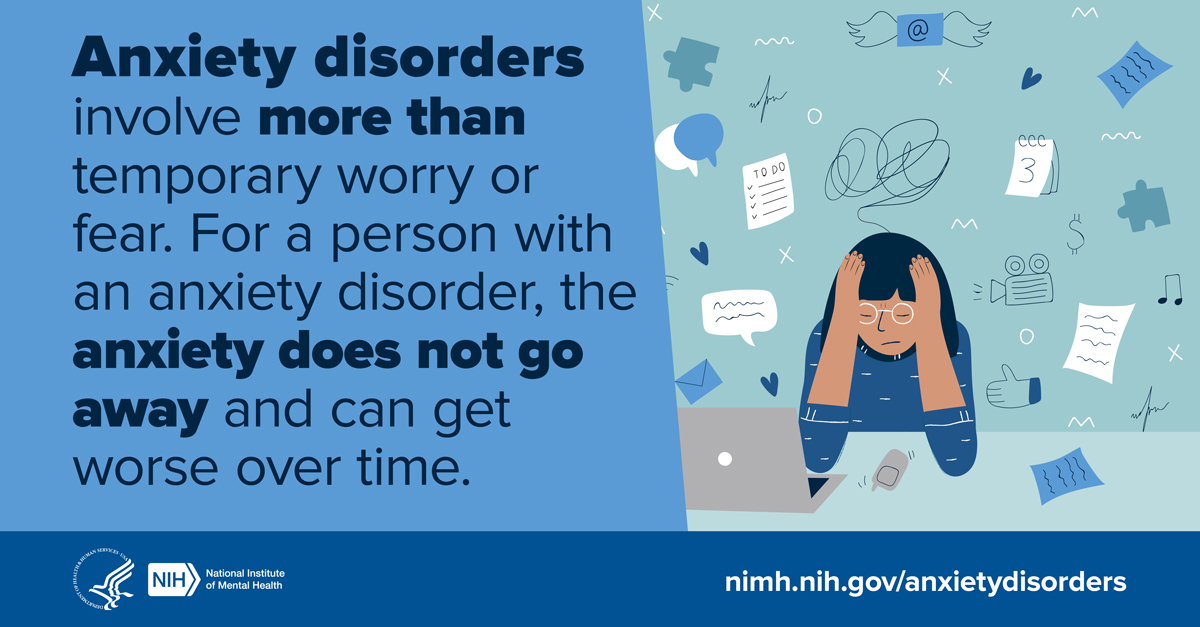
Anxiety is a common human experience that everyone encounters at some point in their lives. It is a natural response to stress or danger, but for some individuals, it can become overwhelming and debilitating. Understanding anxiety is crucial for both those who experience it and for those who want to support their loved ones in their journey towards mental well-being.
Definition and Symptoms of Anxiety
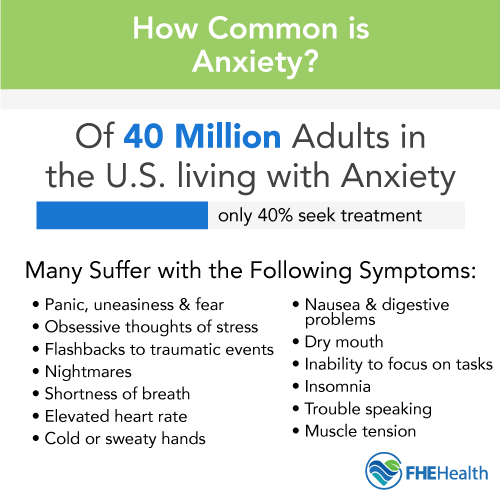
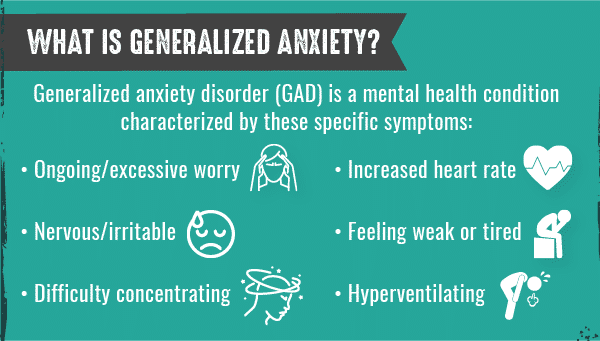
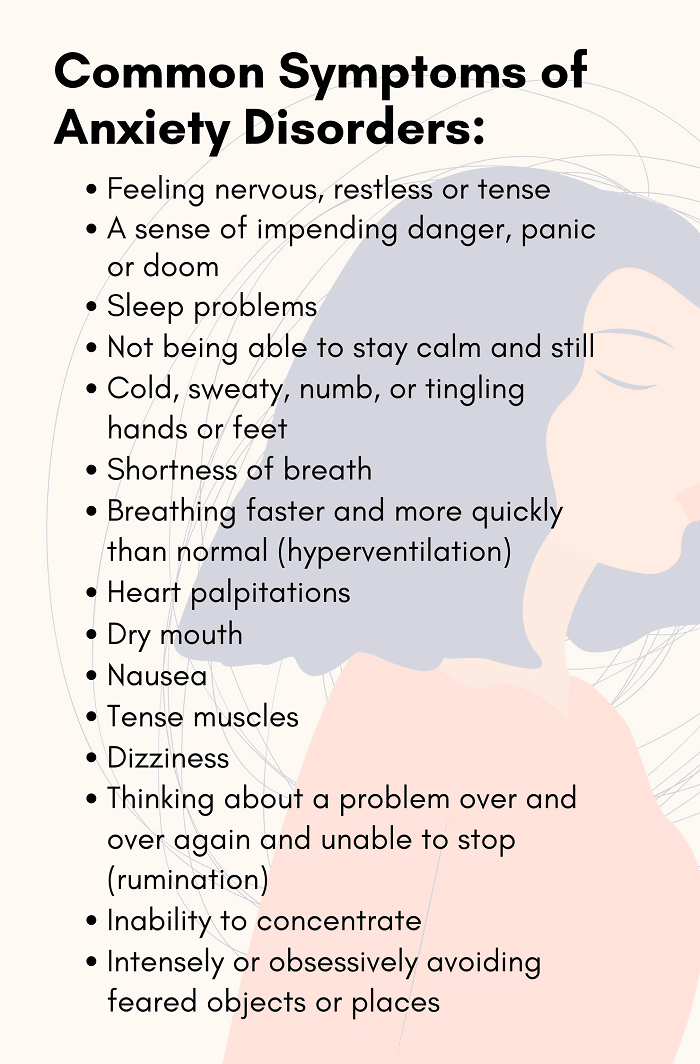
Anxiety can be defined as a persistent feeling of fear, worry, or unease. It is characterized by physical, emotional, and cognitive symptoms. These symptoms may vary from person to person, but some common signs include restlessness, irritability, difficulty concentrating, muscle tension, increased heart rate, and excessive worrying. Additionally, individuals with anxiety may experience panic attacks, which are intense periods of fear accompanied by physical symptoms such as chest pain and shortness of breath.
Types of Anxiety Disorders
Anxiety disorders are a group of mental health conditions that involve excessive and irrational fear or worry. The Diagnostic and Statistical Manual of Mental Disorders (DSM-5) recognizes several types of anxiety disorders, including generalized anxiety disorder (GAD), panic disorder, social anxiety disorder, and specific phobias. Each disorder has its own set of symptoms and triggers, but they all share the common feature of excessive and uncontrollable anxiety.
Is Anxiety Considered a Mental Illness?
The Perspective of the Diagnostic and Statistical Manual of Mental Disorders (DSM-5)
According to the Diagnostic and Statistical Manual of Mental Disorders (DSM-5), anxiety disorders are classified as mental illnesses. The DSM-5 is widely considered the authoritative guide for mental health professionals in diagnosing and categorizing mental health conditions. It acknowledges anxiety disorders as distinct disorders that fall under the umbrella of mental illnesses.
Differences Between Anxiety and Mental Illness
While anxiety is considered a mental illness, it is important to note that not all anxiety is indicative of a mental disorder. Anxiety becomes a mental illness when it interferes with a person’s daily functioning and negatively impacts their overall well-being. It is normal to experience anxiety in certain situations, such as before an important presentation or during times of uncertainty. However, when anxiety becomes chronic, irrational, and uncontrollable, it may indicate the presence of an anxiety disorder.
Causes of Anxiety
Understanding the causes of anxiety is multifaceted, as it can stem from a combination of biological, environmental, and psychological factors.
Biological Factors
Research suggests that there is a genetic predisposition to anxiety disorders. Certain individuals may be more prone to developing anxiety due to their genetic makeup or neurochemical imbalances in the brain. Imbalances in neurotransmitters such as serotonin and gamma-aminobutyric acid (GABA) have been linked to anxiety disorders.
Environmental Factors
Environmental factors such as a history of trauma, stressful life events, and chronic exposure to high levels of stress can contribute to the development of anxiety disorders. Childhood experiences, such as neglect or abuse, can also play a role in the development of anxiety later in life.
Psychological Factors
Individuals with certain personality traits, such as perfectionism or a tendency to overthink, may be more susceptible to developing anxiety disorders. Additionally, cognitive factors, such as catastrophic thinking or negative self-talk, can perpetuate and exacerbate anxiety symptoms.
Impact of Anxiety on Daily Life
Anxiety can have a significant impact on various aspects of daily life, including relationships, work or academic performance, and physical health.
Effects on Relationships
Persistent anxiety can strain personal relationships as individuals may struggle with expressing emotions, being overly sensitive, or constantly seeking reassurance from their loved ones. The fear of judgment or rejection can lead to social withdrawal, causing a rift between the individual with anxiety and their friends and family.
Work and Academic Performance
Anxiety can hinder one’s ability to concentrate, make decisions, and perform well in work or academic settings. It can lead to absenteeism, reduced productivity, and missed opportunities for advancement. The constant worry and fear can undermine confidence and create a cycle of self-doubt that impacts overall performance.
Physical Health
Anxiety can also manifest in physical ways, contributing to various health problems. Increased muscle tension can result in headaches, neck and back pain, and digestive issues. Sleep disturbances and appetite changes are common among individuals with anxiety. Over time, chronic anxiety can weaken the immune system and increase the risk of developing cardiovascular conditions.

Treatment Options for Anxiety
Fortunately, there are effective treatment options available for managing and reducing anxiety symptoms. It is important to consult with a mental health professional to determine the most appropriate course of action based on individual needs and circumstances.
Psychotherapy
Psychotherapy, also known as talk therapy, is a widely used form of treatment for anxiety disorders. Common therapeutic approaches for anxiety disorders include cognitive-behavioral therapy (CBT), which helps individuals identify and challenge negative thought patterns, and exposure therapy, which gradually exposes individuals to their fears to reduce anxiety responses.
Medications
In certain cases, medications may be prescribed to alleviate anxiety symptoms. Antidepressants, benzodiazepines, and beta-blockers are among the classes of medications commonly used for managing anxiety disorders. It is important to note that medication should always be prescribed and monitored by a qualified healthcare professional.
Lifestyle Changes
In addition to therapy and medication, making certain lifestyle changes can also help in managing anxiety. Engaging in regular physical exercise, practicing relaxation techniques such as deep breathing or meditation, maintaining a balanced diet, getting enough sleep, and minimizing the use of substances like caffeine or alcohol can all contribute to reducing anxiety symptoms.
When Anxiety Becomes a Mental Illness
While anxiety is a normal part of the human experience, certain anxiety disorders require professional intervention. The DSM-5 identifies several specific anxiety disorders that are considered mental illnesses.
Generalized Anxiety Disorder (GAD)
GAD is characterized by excessive worry and anxiety about everyday activities or events. Individuals with GAD often struggle with controlling their worry, leading to restlessness, irritability, difficulty concentrating, muscle tension, and sleep disturbances.
Panic Disorder
Panic disorder is characterized by recurrent panic attacks, which are sudden surges of intense fear or discomfort. These panic attacks are usually accompanied by a variety of physical symptoms, including heart palpitations, sweating, trembling, shortness of breath, and a fear of losing control or dying.
Social Anxiety Disorder
Social anxiety disorder, also known as social phobia, involves an intense fear and avoidance of social situations due to the fear of being embarrassed, judged, or humiliated. Individuals with social anxiety disorder may experience rapid heartbeat, blushing, sweating, and trembling when faced with social interactions.
Specific Phobias
Specific phobias involve an intense fear or anxiety surrounding a particular object, situation, or activity. Common specific phobias include fear of heights, spiders, flying, or public speaking. These fears are disruptive to daily life and often lead to avoidance behaviors.
Managing and Coping with Anxiety
While professional treatment is crucial, there are several self-help strategies that individuals can utilize to manage their anxiety symptoms.
Self-Help Strategies
Practicing relaxation techniques, such as deep breathing exercises or mindfulness meditation, can help manage anxiety in the moment. Engaging in regular physical exercise, maintaining a healthy lifestyle, and getting enough sleep also contribute to overall well-being. It is important to identify and challenge negative thought patterns and develop coping mechanisms to manage stress.
Support Systems
Building a strong support system is essential when dealing with anxiety. Sharing your experiences and concerns with trusted friends or family members can alleviate feelings of isolation. Joining support groups or seeking out online communities of individuals who have similar experiences can provide understanding and valuable insights.
Stress Management Techniques
Learning effective stress management techniques can help in reducing anxiety symptoms. This may include setting realistic goals, managing time effectively, and practicing self-care activities such as engaging in hobbies, spending time in nature, or seeking professional help when needed.
Breaking the Stigma Surrounding Anxiety
While the understanding and awareness of mental health issues have improved over the years, there is still a significant amount of stigma surrounding anxiety and other mental illnesses. Breaking down these barriers is essential for creating a more supportive and inclusive society.
Educating Society
Education and awareness play a crucial role in breaking the stigma surrounding anxiety disorders. By providing accurate information about anxiety, its causes, and available treatments, we can help dispel misconceptions and encourage empathy and understanding.
Promoting Open Dialogue
Encouraging open dialogue about mental health, including anxiety, can create a safe space for individuals to seek support and express their feelings without fear of judgment. Normalizing conversations about mental health can contribute to reducing stigma and fostering a more compassionate society.
Supporting Individuals Experiencing Anxiety
Supporting individuals experiencing anxiety requires empathy and understanding. It is important to provide a listening ear, offer support, and encourage professional help if necessary. Small acts of kindness, such as checking in on loved ones and avoiding judgment, can go a long way in making someone feel supported and understood.
Seeking Professional Help
It is vital to recognize the importance of consulting a mental health professional when experiencing anxiety symptoms that significantly impact daily life. A qualified therapist or psychiatrist can provide an accurate diagnosis, develop a personalized treatment plan, and offer ongoing support throughout the recovery process.
Importance of Consulting a Mental Health Professional
Mental health professionals are trained to assess, diagnose, and treat anxiety disorders. They have the expertise to determine the most appropriate treatment options based on an individual’s specific needs. Consulting a professional is crucial in ensuring a comprehensive and effective approach to managing anxiety.
Finding the Right Therapist or Psychiatrist
Finding the right therapist or psychiatrist is an important step in the treatment journey. It is essential to seek out professionals who specialize in anxiety disorders and have experience in evidence-based treatments. Building a strong therapeutic relationship based on trust and mutual respect is vital for the success of treatment.
Conclusion
Anxiety is a complex and multifaceted experience that affects millions of people worldwide. Understanding anxiety as a mental illness is essential to address its impact on individuals’ lives and promote effective treatment. By breaking the stigma, providing support, and seeking professional help when needed, we can create a society that is compassionate, inclusive, and supportive of individuals experiencing anxiety. Remember, you are not alone, and there is help available.