

Mindfulness Anger Management Techniques
Have you ever felt overwhelmed by anger and wondered how to control it? Managing anger can be challenging, but mindfulness improves your emotional well-being. This journey towards understanding and managing anger can lead to healthier relationships and a more peaceful lifestyle.

Understanding Anger
Everyone experiences anger, which can range from mild irritation to intense rage. Understanding what triggers your anger is the first step toward managing it effectively.
The Nature of Anger
Anger often arises in response to perceived threats or injustices. It can react to situations, behaviors, or thoughts that frustrate you. I want you to know that anger is a signal, alerting you to something that needs your attention.
The Impact of Unmanaged Anger
When anger becomes overwhelming, it can have severe consequences. It may lead to conflicts in personal relationships, health problems, or regrettable actions taken in the heat of the moment. Recognizing these potential pitfalls can motivate you to seek healthier coping mechanisms.
What is Mindfulness?
Mindfulness is being fully present at the moment and aware of your thoughts and feelings without judgment. It’s about appreciating the here and now rather than worrying about the past or the future.
The Essence of Mindfulness
At its core, mindfulness encourages you to observe your thoughts and emotions. In terms of anger, this means acknowledging your feelings without automatically reacting. This practice allows you to respond thoughtfully rather than impulsively.
Benefits of Practicing Mindfulness
Incorporating mindfulness into your life can yield numerous benefits:
- Reduced Stress: Mindfulness can help lower stress levels, making it easier to face challenges.
- Improved Emotional Regulation: You can learn to manage your emotions effectively.
- Enhanced Relationships: Mindfulness can lead to better communication and fewer conflicts.
Mindfulness Techniques for Anger Management
Adopting mindfulness techniques can be an excellent way to manage anger. Here are some effective strategies to consider:
Practice Deep Breathing
When you feel anger surfacing, take a moment to focus on your breath. Deep breathing helps calm your nervous system and allows you to regain control.
- How to Do It:
- Find a quiet spot and sit comfortably.
- Inhale deeply through your nose for a count of four.
- Hold your breath for a count of four.
- Exhale slowly through your mouth for a count of four.
- Repeat several times until you feel calmer.
Utilize Body Scans
A body scan is a mindfulness exercise that helps you connect your mind with your body. It can be beneficial during moments of anger.
- How to Do It:
- Find a comfortable position, either sitting or lying down.
- Close your eyes and take a few deep breaths.
- Start by focusing on your feet, noticing any tension.
- Gradually move your attention up your body, noticing sensations in each area.
- Acknowledge any tension or discomfort and consciously relax those areas.
Engage in Mindful Observation
Mindful observation encourages you to focus on your surroundings and detach from angry thoughts. This practice allows you to create space between you and your anger.
- How to Do It:
- Find a comfortable place to sit.
- Choose an object to focus on, like a flower or a candle.
- Observe the item in detail; note its colors, textures, and shapes.
- If your mind wanders to angry thoughts, gently redirect your attention to the object.
Journaling Your Feelings
Writing can be a powerful tool for processing anger. Journaling allows you to express your feelings and gain insight into what’s triggering your emotions.
- How to Do It:
- Set aside time each day to write about your feelings.
- Focus specifically on incidents that triggered your anger.
- Reflect on your reactions and what you could do differently next time.
- Keep your journal handy to revisit when you feel anger coming on.
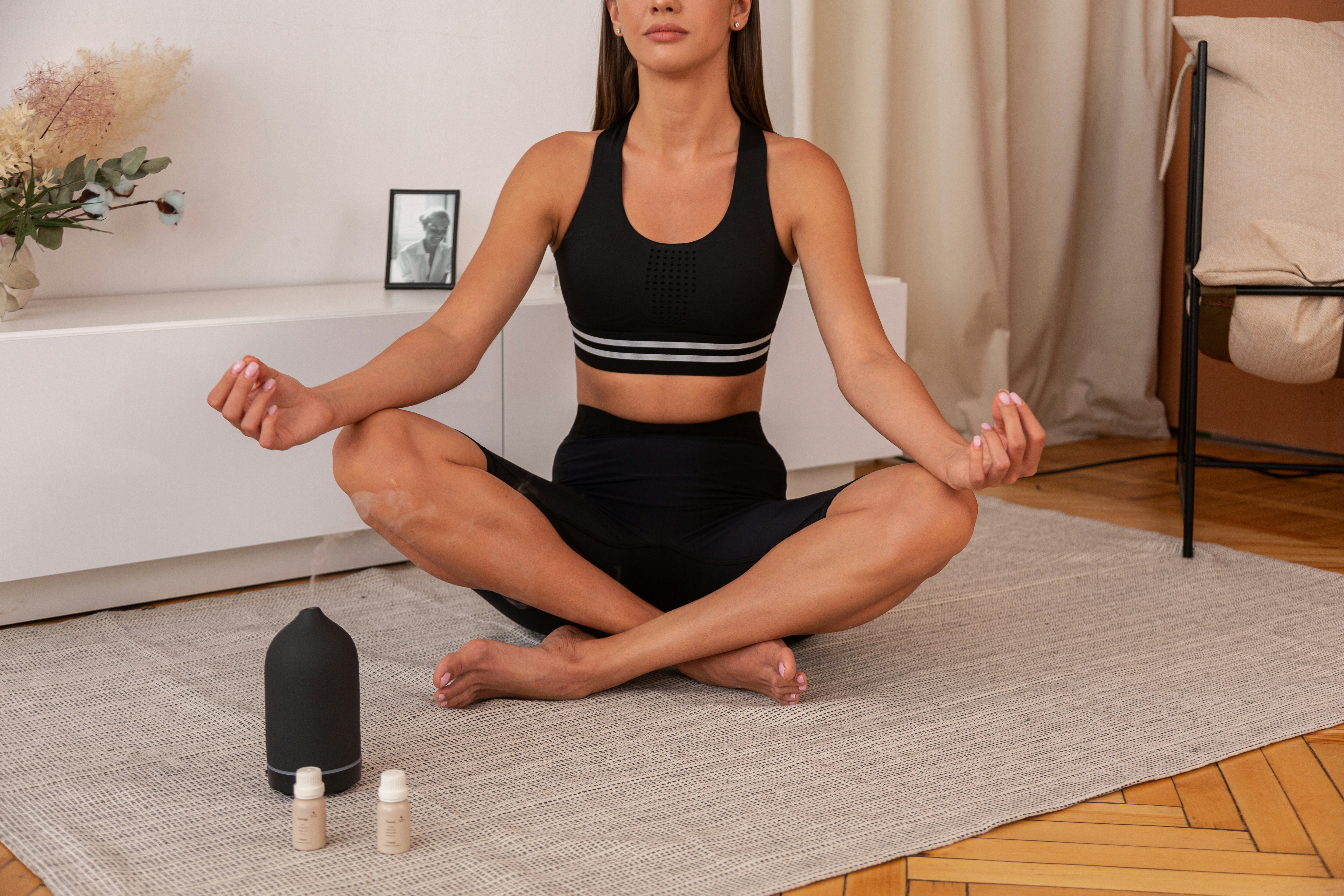
Mindful Meditation
Meditation is a primary tool in mindfulness practices that can significantly help manage anger. It helps center your thoughts and clarify your emotions.
- How to Do It:
- Sit in a comfortable position with a straight back.
- Close your eyes and take a few deep breaths.
- Focus on your breathing, noticing when your mind wanders.
- When you notice your thoughts straying, gently bring your focus back to your breath.
Use Visualization Techniques
Visualization can help you stay calm in the face of anger. By picturing peaceful scenarios, you can create a mental escape from frustration.
- How to Do It:
- Find a quiet space and close your eyes.
- Take a few deep breaths to relax.
- Picture a calming scene, like a beach or a forest.
- Imagine yourself in that place, immersing in the sights and sounds.
- Allow the calmness to wash over you and dissipate your anger.
The Power of Affirmations
Positive affirmations can help reshape your mindset. Repeating calming phrases can remind you of the bigger picture and promote emotional balance.
- How to Do It:
- Identify affirmations that resonate with you, such as “I am calm” or “I choose peace over anger.”
- Write them down and keep them somewhere you can see often.
- Repeat them during moments of anger or stress.
Focus on Gratitude
Shifting your focus from anger to gratitude can be a transformative practice. It allows you to acknowledge positivity in your life, counteracting negative emotions.
- How to Do It:
- Each day, write down three things you’re grateful for.
- Reflect on why these items or people are significant to you.
- Allow yourself to feel appreciation; this can alleviate anger.
When to Seek Help
While mindfulness techniques are powerful, there may be times when you feel overwhelmed by your anger. It’s important to recognize when professional help is needed.
Recognizing the Signs
If anger impacts your relationships or daily life, please feel free to seek help. Signs that may indicate it’s time to talk to someone include:
- Frequent outbursts or shouting
- Difficulty controlling how often you become angry
- Engaging in destructive behavior
- Feeling like you have lost control over your anger
Finding a Professional
If you decide to seek help, look for a mental health professional experienced in anger management and mindfulness techniques. They can provide tailored guidance and support.
- Types of Professionals:
- Psychologists
- Therapists
- Counselors specializing in anger management

Integrating Mindfulness into Daily Life
Incorporating mindfulness into your daily routine can help you manage anger more effectively. Here are some practical ways to do so.
Morning Mindfulness Ritual
Beginning your day with a mindfulness ritual can set a positive tone. Consider including these elements:
- Short meditation session
- Practice deep breathing
- Setting intentions for the day
Mindful Eating
Eating mindfully can transform your relationship with food and reduce stress. It involves savoring every bite and being present during meals.
- How to Do It:
- Take a moment to appreciate your meal before eating.
- Chew slowly and savor each bite, noting flavors and textures.
- Avoid distractions like television or smartphones during meals.
Mindfulness in Communication
Applying mindfulness to conversations can help you respond rather than react. Being present can break the cycle of anger in discussions.
- How to Do It:
- Focus entirely on the person speaking.
- Avoid interrupting; allow them to finish their thoughts.
- Respond thoughtfully, drawing from your understanding rather than impulse.
Mindfulness Breaks Throughout the Day
Taking short breaks during your day to practice mindfulness can recharge your emotional state. Simple techniques include:
- Stepping outside for fresh air
- Take a few slow, deep breaths
- Performing a quick body scan
Managing anger through mindfulness is a valuable skill leading to a more balanced and peaceful life. Incorporating mindfulness techniques allows you to control your emotions, cultivate healthier relationships, and foster a profound sense of well-being. Remember, the journey may take time, but with persistence and practice, you can achieve a more tranquil state of mind.
The key is to be patient with yourself as you navigate your emotions and continue using these techniques daily. By becoming more aware of your feelings and learning to respond thoughtfully, you’ll find that managing your anger can become a much more manageable task.
Related Topics About Mindfulness Anger Management Techniques
Anger Management Tips And Techniques,
Can Mindfulness Help With Anger,
Mind Calming Techniques,
Mindfulness Anger Management Techniques,
Simple Anger Management Techniques
============
Content 10/10/G