

Mindfulness Meditation Script
Have you ever wondered what mindfulness meditation is and how it can transform your daily life? Many people turn to mindfulness to reduce stress, enhance focus, and cultivate emotional well-being. This practice fosters a deeper connection with yourself and promotes peaceful interactions with the world around you.
What Is Mindfulness Meditation?
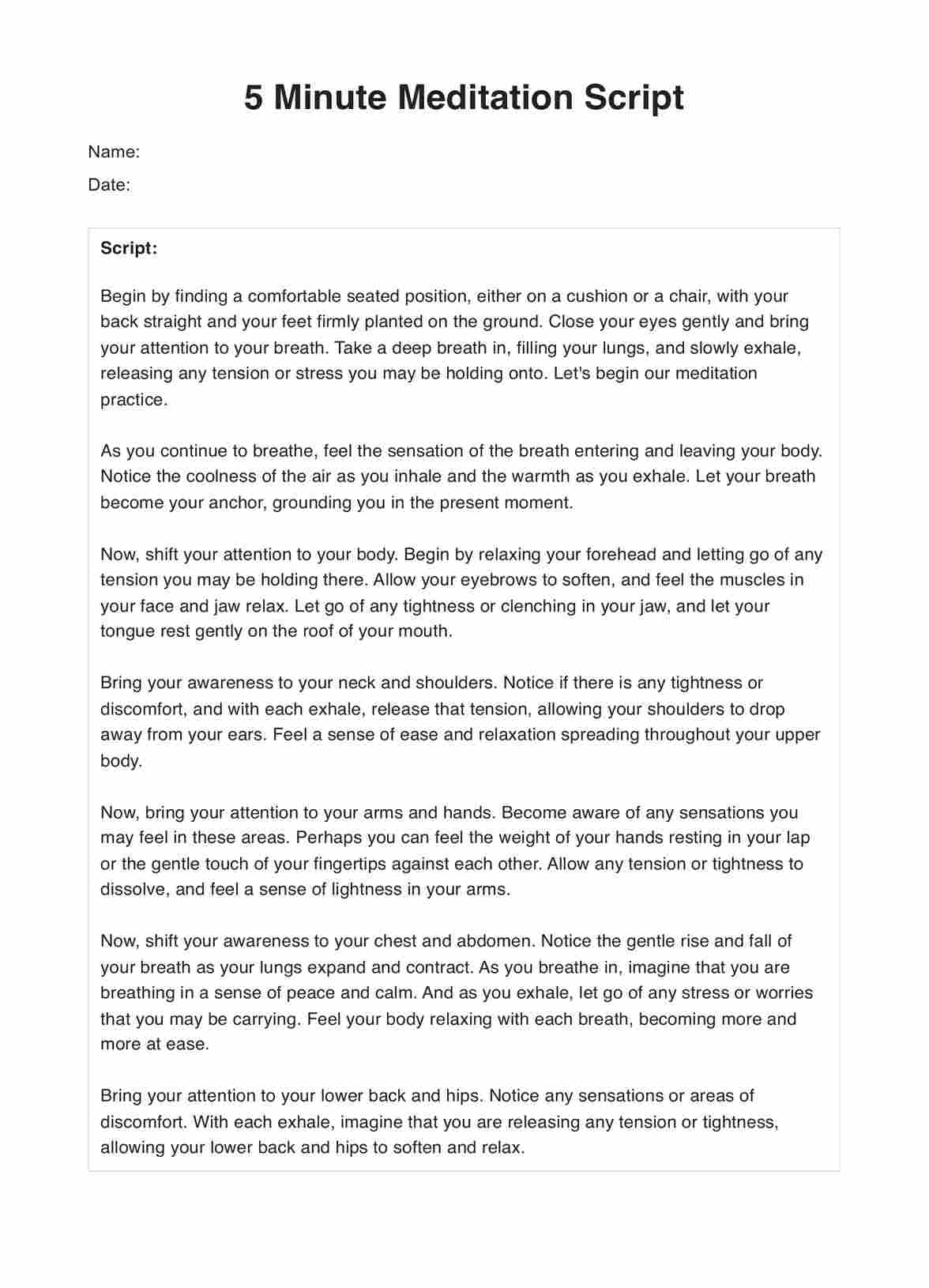
Mindfulness meditation is a simple yet profound practice that encourages you to focus on the present moment. It involves bringing your attention to your thoughts, feelings, sensations, and environment without judgment. This can create awareness and clarity, helping you become more attuned to the intricacies of your life.
Benefits of Mindfulness Meditation
Mindfulness meditation has numerous advantages, and it can have a lasting impact on your life. Some of the key benefits include:
| Benefit | Description |
|---|---|
| Stress Reduction | Mindfulness helps lower stress levels by encouraging relaxation and presence, reducing anxiety, and promoting emotional regulation. |
| Improved Focus | Regular practice can enhance your attention span and concentration, making staying focused on tasks easier. |
| Enhanced Emotional Well-being | Mindfulness can lead to greater emotional resilience and a more positive outlook, boosting happiness. |
| Better Sleep | Practicing mindfulness meditation can improve your ability to fall asleep and experience more profound, more restorative sleep. |
| Increased Self-awareness | Mindfulness fosters a deeper understanding of thoughts and feelings, making it easier to recognize patterns and triggers in one’s life. |
How to Get Started with Mindfulness Meditation
Beginning your mindfulness meditation journey can be as simple as finding a comfortable spot and setting aside a few minutes daily to practice. Here’s how you can start:
Choose Your Space
You can select an area where you feel safe and comfortable. This could be a quiet corner in your home, a park, or even a cozy spot in your office. Make sure it’s free from distractions to immerse yourself in the experience.
Set a Time
Find a time that works for you—this could be in the morning to set a positive tone for the day, during your lunch break to recharge, or in the evening to unwind. You can start with just five minutes and gradually increase the duration as you become more comfortable with the practice.
Mindfulness Meditation Techniques
Various techniques can be used to practice mindfulness meditation effectively. Each method enhances one’s ability to stay present and centered.
Breathing Awareness
Focusing on your breath is one of the most common mindfulness techniques.
- Find a comfortable position: Sit or lie down relaxedly.
- Close your eyes: This can help limit distractions.
- Breathe naturally: Inhale and exhale at your rhythm.
- Focus on your breath: Notice the sensation of air entering and leaving your body.
- Gently redirect your mind: If your thoughts wander, gently guide your focus back to your breath.
Body Scan
The body scan technique encourages you to develop awareness of physical sensations throughout your body.
- Lie down comfortably: Either on your back or in a position where you feel relaxed.
- Close your eyes: This helps to concentrate on your internal sensations.
- Attention your toes: Notice how they feel without judgment.
- Gradually move your focus: Slowly shift your awareness from your feet to your legs, abdomen, chest, arms, neck, and head.
- Release tension: With each area you focus on, consciously release any tension.
Guided Meditation
A guided meditation can help you through the experience, especially if you’re new to mindfulness.
- Find a suitable recording: Choose one that resonates with you, available through various apps or online resources.
- Get comfortable: Settle into your chosen space.
- Follow along: Listen and allow the guidance to lead you through the practice.
Cultivating Mindfulness in Everyday Life
The beauty of mindfulness meditation lies in its ability to extend beyond your formal practice and into daily life. Here are some ways to incorporate mindfulness into your everyday routine:
Mindful Eating
When you eat, take a moment to savor each bite.
- Choose your food mindfully: Select what you intend to eat with awareness.
- Eliminate distractions: Put away screens and focus on the meal.
- Chew slowly: Notice the flavors and textures.
- Reflect on your experience: Think about how the food nourishes your body.
Mindful Walks
If you take a walk, practice being fully present in the moment.
- Pay attention to your surroundings: Notice the colors, sounds, and smells.
- Feel your feet connecting with the ground: Tune into your body’s movements with each step.
- Breathe deeply: Integrate mindfulness with your breathing as you walk.
Mindful Communication
Whenever you engage in conversations, practice mindfulness by listening attentively.
- focus entirely on the person speaking without planning your response.
- Observe non-verbal cues: Notice their body language and facial expressions.
- Respond thoughtfully: After fully understanding what they’ve said, share your thoughts.
Overcoming Common Challenges in Mindfulness Meditation
Practicing mindfulness meditation can be rewarding but may also come with challenges. Here’s how you can overcome some common obstacles:
Difficulty Focusing
If you find it hard to concentrate, remember that it’s perfectly normal.
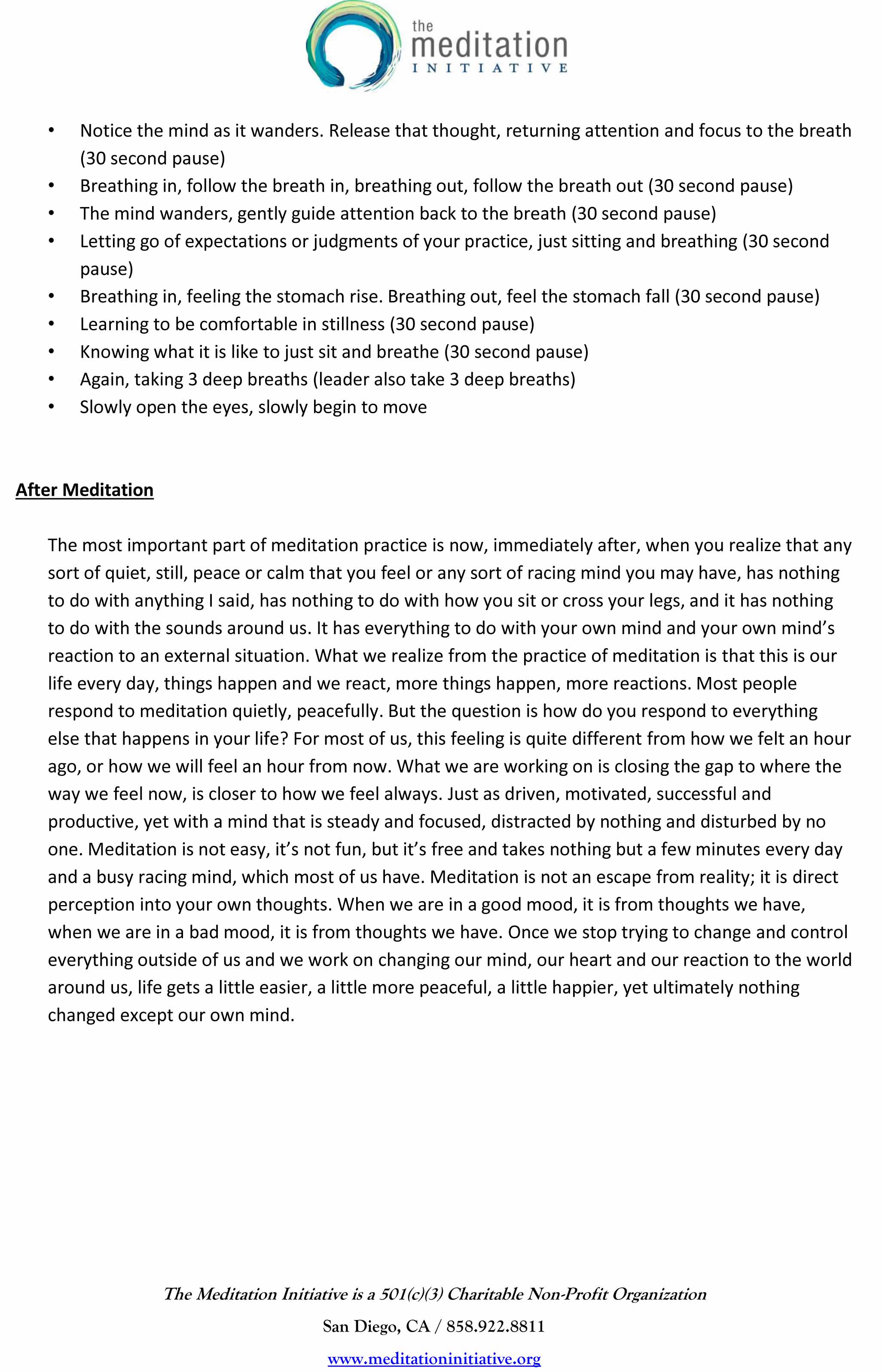
- Acknowledge It: Recognize your wandering thoughts without being hard on yourself.
- Use anchors: Focus on your breath or a specific sensation in your body to remain anchored.
Restlessness
Feeling restless during meditation is another common experience.
- Move before meditating: Do light stretching or take a short walk to release tension.
- Limit session duration: Start with shorter sessions and gradually increase as you get more comfortable.
Emotional Discomfort
Sometimes, emotions may surface during mindfulness meditation.
- Welcome these emotions: Approach them with curiosity instead of avoidance.
- Practice self-compassion: Remind yourself that feeling what you feel is okay.
Creating a Mindfulness Routine
Building a mindfulness practice can help solidify the benefits over time. Here are some steps you can take:
Start Small
If you’re new to mindfulness, don’t feel pressured to spend long periods meditating.
- Select time slots: Begin with 5-10 minutes daily.
- Create reminders: Use phone alarms or sticky notes to keep you accountable.
Gradually Increase Duration
As you become more comfortable, start extending your meditation sessions.
- Add a few minutes: Increase the length of each session gradually.
- Experiment with different techniques: Try out various methods to see what resonates most with you.
Incorporate Mindfulness Throughout Your Day
Each day is a chance to infuse mindfulness into various activities.
- Find mindful moments: Consider small opportunities to bring mindfulness into regular tasks, like showering or commuting.
- Reflect: Take a moment at the end of each day to note moments when you felt present.
Mindfulness Apps and Resources
There are countless resources available to help you immerse yourself in mindfulness meditation. Here are some popular mindfulness apps you might find helpful:
| App Name | Description |
|---|---|
| Headspace | It offers guided meditations and courses tailored for various levels and topics, which is excellent for beginners. |
| Calm | Focuses on relaxation techniques, sleep stories, and meditation for anxiety and stress reduction. |
| Insight Timer | Provides a vast selection of guided meditations from various teachers and a community of users. |
| Simple Habit | It features short meditation sessions designed for busy individuals, perfect for fitting meditation into a hectic schedule. |
Also, books, podcasts, and online courses can deepen your understanding of mindfulness.
Books
- “The Miracle of Mindfulness” by Thich Nhat Hanh: A classic that introduces mindfulness practices.
- “Wherever You Go, There You Are” by Jon Kabat-Zinn: Provides insights and practical guidance for practicing mindfulness.
Podcasts
- “The Daily Meditation Podcast”: Offers daily meditations and insights to help you stay grounded.
- “Untangle”: Features expert interviews and discussions on mindfulness and meditation.
Embracing mindfulness meditation can be one of the most fulfilling changes you can make. It empowers you to navigate your emotions, reactions, and interactions with greater clarity and compassion.
With each practice session, you cultivate a deeper connection to yourself and the world around you, enhancing your overall well-being.
Remember to be gentle with yourself as you embark on this journey, and practice patience. The benefits of mindfulness will blossom over time, enriching your life far beyond the meditation cushion.
Are you ready to start your mindfulness practice and experience the transformation it can bring? Each moment is an opportunity to enrich your life; embrace it fully!

The Power of Mindfulness Meditation Script
Are you feeling stressed, anxious, or overwhelmed? Mindfulness meditation can help you find peace and clarity in the present moment. This powerful practice has been used for centuries to cultivate awareness, reduce stress, and improve mental well-being. In this blog post, we will explore a mindfulness meditation script that you can use to guide your practice.
Benefits of Mindfulness Meditation
Before we dive into the meditation script, let’s take a moment to understand the benefits of mindfulness meditation –
- Reduces stress and anxiety
- Improves focus and concentration
- Promotes emotional well being
- Enhances self-awareness
- Increases resilience to negative emotions
Mindfulness Meditation Script
Find a comfortable position with your back straight and your hands resting on your lap. Take a few deep breaths to center yourself and bring awareness to the present moment.
Close your eyes and begin to focus on your breath. Notice the sensation of the air entering and leaving your nostrils. Feel the rise and fall of your chest and abdomen with each inhale and exhale.
As you hear, please acknowledge them and let them pass without judgment. You can bring your attention back to your breath by using it as an anchor to the present moment.
Continue to breathe deeply and mindfully, staying with each inhale and exhale. Feel the sensations in your body and the calmness that comes with each breath.
Take a moment to scan your body for any areas of tension or discomfort. Imagine releasing that tension with each exhale and allowing your body to relax and unwind.
Now, could you bring your awareness to your thoughts and emotions? Notice any patterns or recurring thoughts that may be causing you stress or anxiety. Let them go, knowing that your thoughts do not define you.
As you breathe mindfully, bring your attention to the present moment. Notice the sights, sounds, and sensations around you without attachment. Observe and experience the world as it is without trying to change or control it.
Take a few more deep breaths, feeling a sense of calm and presence over you. Simply focusing on your breath, you can return to this state of mindfulness anytime.
Mindfulness meditation is a powerful tool for reducing stress, improving focus, and enhancing overall well-being. Regularly practicing the mindfulness meditation script can cultivate a sense of peace and clarity in your daily life.
Remember to be patient and gentle with yourself as you explore this practice and fully allow yourself to experience the present moment without judgment or expectation.
Related Topics About Mindfulness Meditation Script
Guided Meditation Reading Script,
Guided Meditation Script Acceptance,
Guided Meditation Script Child, +
Guided Meditation Script Children,
Guided Meditation Script For Addiction Recovery,
Guided Meditation Script For Adhd,
Guided Meditation Script For Autumn,
Guided Meditation Script For Calming The Mind,
Guided Meditation Script For Confidence,
Guided Meditation Script For Creativity,
Guided Meditation Script For Elementary Students,
Guided Meditation Script For Emotional Healing,
Guided Meditation Script For Exams,
Guided Meditation Script For Inner Peace,
Guided Meditation Script For Overwhelm,
Guided Meditation Script For Recovery,
Guided Meditation Script For Root Chakra,
Guided Meditation Script For Therapists,
Guided Meditation Script For Work Stress,
Guided Meditation Script For Workplace
===========
Content 10/10/G