

Strategies For Anxiety Management
Have you ever felt overwhelmed by thoughts that won’t go away? Anxiety is a shared experience, and it can be challenging to manage at times.
But the good news is that there are effective strategies you can use to help ease that feeling of unease. This article will walk you through various methods to tackle anxiety, empowering you with the tools you need to help you gain control over your life.
Understanding Anxiety
Anxiety isn’t simply being nervous or stressed out; it involves a complex interaction between thoughts, feelings, and physical sensations.
When you feel anxious, your body becomes heightened alert, often called the “fight or flight” response. This reaction is normal but can become overwhelming when it interferes with daily life.
The Physiology of Anxiety
Understanding what happens in your body when you experience anxiety can help you manage it better. Here’s a brief overview:
| Body Response | Reaction |
|---|---|
| Heart Rate Increase | Your heart pumps faster, preparing you to confront a challenge or escape. |
| Muscle Tension | Your muscles may tighten in preparation for action. |
| Breathing Changes | You may find yourself breathing more quickly or shallowly. |
| Digestive Changes | You might experience stomach discomfort due to reduced blood flow to the digestive system. |
Recognizing these bodily responses can demystify anxiety and help you develop a strategy to cope effectively.
Practical Strategies for Anxiety Management
Numerous strategies exist to help manage anxiety. This isn’t a one-size-fits-all situation; you may need to try different techniques to find the best.
Mindfulness Meditation
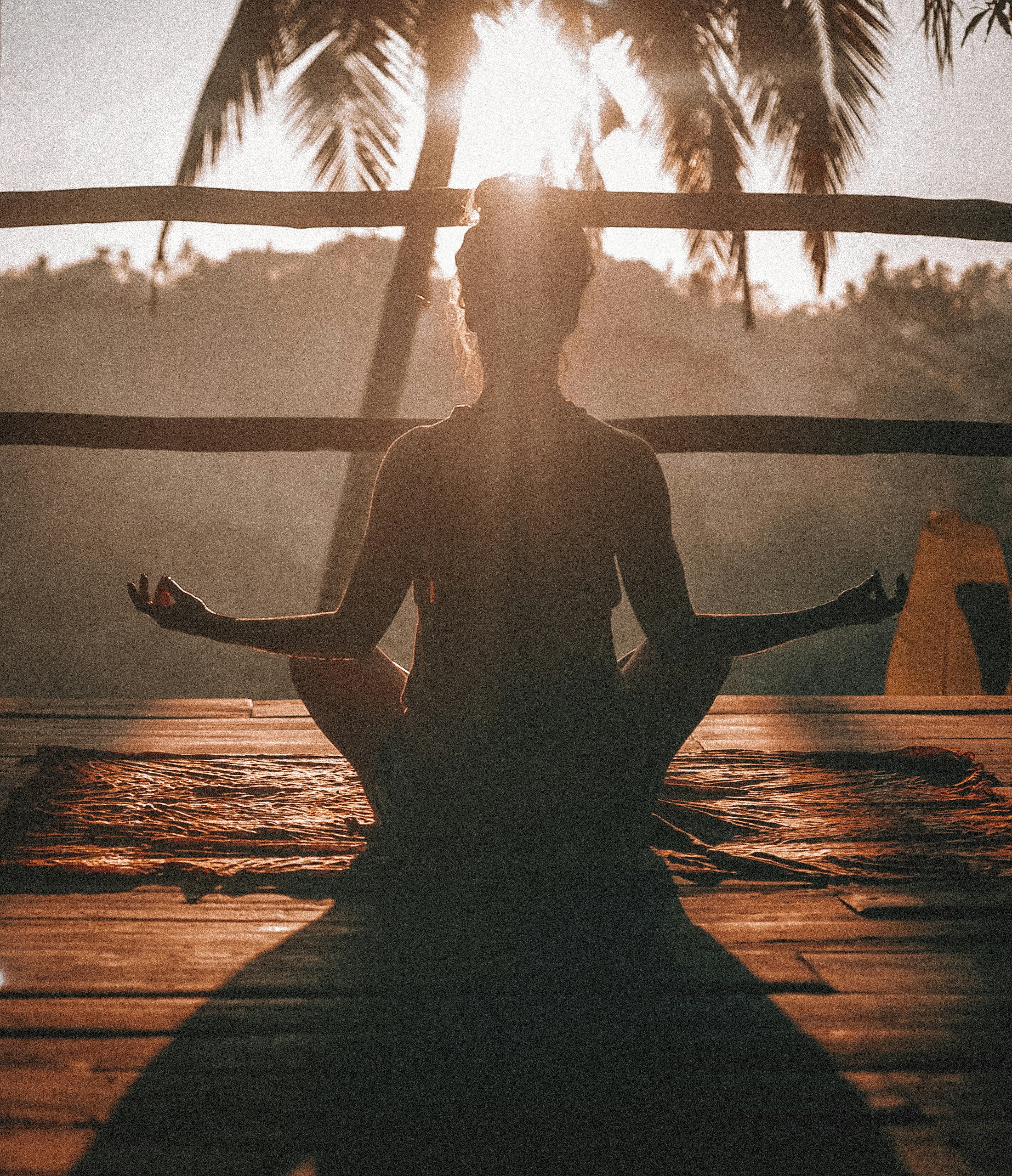
Mindfulness meditation is a technique that encourages a state of awareness about the present moment. It can help reduce anxiety by promoting relaxation and helping you gain a new perspective on your thoughts.
- Start Small: Begin with just five minutes a day. Sit comfortably, close your eyes, and focus on your breath.
- Guided Sessions: Many apps and online resources offer guided meditations to alleviate anxiety.
Exercise Regularly
Physical activity is a powerful stress reliever. Exercise helps release endorphins, natural chemicals in your brain that promote happiness and relaxation.
- Choose Activities You Enjoy: Whether walking, dancing, or yoga, make sure it’s something you look forward to.
- Set Realistic Goals: Aim for at least 30 minutes of exercise most days, but don’t stress if you miss a day. Every bit counts!
Breathing Techniques
Controlled breathing can quickly calm your nervous system and reduce anxiety.
- Deep Breathing: Find a quiet space, inhale deeply through your nose, hold your breath for a few seconds, and then exhale slowly through your mouth. Repeat this several times.
- 4-7-8 Technique: Breathe in for four seconds, hold for seven seconds, and exhale for eight seconds. This technique can instill a more profound sense of tranquility.
Cognitive Behavioral Therapy (CBT)
CBT is a structured, goal-oriented therapy that helps you identify and challenge negative thought patterns that contribute to anxiety.
- Finding a Therapist: A professional can provide guided support, but you can also practice some CBT techniques independently.
- Journaling: Writing down anxious thoughts can help clarify them. Then, challenge those thoughts by questioning their validity and replacing them with positive affirmations.
Social Support
Engaging with friends and family can significantly mitigate feelings of anxiety.
- Talk It Out: Sharing feelings with someone you trust can bring relief and new insights.
- Join a Group: Consider support groups or community activities that allow you to connect with others experiencing similar challenges.
Nutrition and Hydration
What you put into your body can affect your mental state. Maintaining a balanced diet and staying hydrated are vital elements in managing anxiety.
- Eat Balanced Meals: Include plenty of fruits, vegetables, whole grains, lean proteins, and healthy fats.
- Limit Stimulants: High caffeine intake can worsen anxiety, so it may be helpful to reduce your consumption of coffee, tea, and energy drinks.
Sleep Hygiene
Quality sleep is essential for mental health. You’re much better equipped to handle stressful situations when you’re well-rested.
- Create a Routine: Every day, try to go to bed and wake up simultaneously. Wind down with calming activities like reading or a warm bath before sleep.
- Create a Comfortable Sleep Environment: Ensure your bedroom is conducive to sleep—keep it dark, quiet, and calm.
Limit Screen Time
In today’s digital age, screen time can contribute to anxiety, particularly surrounding social media.
- Be Mindful: Pay attention to how different platforms make you feel. If scrolling through feeds heightens your anxiety, consider limiting your time.
- Digital Detox: Try going without your devices for a few days or hours to observe your feelings.
Grounding Techniques
Grounding techniques can help bring you back to the present moment when anxiety starts to overwhelm you.
- 5-4-3-2-1 Technique: Identify five things you can see, four you can touch, three you can hear, two you can smell, and one you can taste. This exercise helps distract your mind from anxious thoughts.
- Physical Object: Carry a small object like a stone or stress ball. When you feel anxious, hold it and focus on its texture and weight.

Self-Care Practices
Incorporating self-care into your routine can foster resilience against anxiety.
Engage in Hobbies
Participating in activities you love can distract you and bring joy.
- Find Time for Fun: Schedule time each week for a hobby, whether painting, gardening, or playing an instrument.
- New Interests: Don’t hesitate to try something new. A new hobby can be refreshing and invigorating.
Nature Therapy
Spending time in nature has a calming effect on the mind and body.
- Outdoor Activities: Go for a walk in a park, hike a local trail, or sit outside and enjoy the fresh air.
- Gardening: Engaging with plants can be both engaging and calming.
Journaling for Anxiety
Writing about your experiences can provide clarity and release pent-up emotions.
- Daily Entries: Take a few minutes each day to jot down your thoughts and feelings. This can help you process your emotions effectively.
- Gratitude Journaling: Focus on positive experiences and achievements can shift your mindset over time.
Professional Help
Sometimes, anxiety can be challenging to manage on your own. Seeking professional help is a strong and proactive step toward recovery.
Therapy Options
Different types of therapies can be beneficial for managing anxiety.
- Counseling: A counselor can help you discuss feelings and provide coping strategies.
- Medication: In some cases, a doctor may suggest medication to help manage anxiety symptoms.
Support Groups
Connecting with others who understand what you’re going through can alleviate feelings of isolation.
- Local or Online Groups: Various support groups are available for anxiety. Connecting with others can provide comfort and understanding.
Educational Resources
Educating yourself about anxiety can empower you to make informed choices about your well-being.
- Books and Articles: Plenty of self-help books and informative articles tackle anxiety management from various perspectives.
- Podcasts and Webinars: Look for mental health experts who share insights and tips that resonate with your experiences.
Building a Resilient Mindset
Resilience is the ability to bounce back from difficult situations. Developing resilience can significantly lower the impact of anxiety in your life.
Positive Affirmations
Daily affirmations can boost your self-esteem and help combat negative thoughts.
- Create Your List: Write down several affirmations that resonate with you, such as “I am capable of managing my anxiety” or “I choose positivity every day.”
- Repeat Regularly: Make it a habit to say these affirmations to yourself, especially during stressful times.
Set Realistic Goals
Having specific, attainable goals can give you a sense of purpose and accomplishment.
- Break It Down: Instead of overwhelming yourself, break larger goals into smaller, manageable tasks.
- Celebrate Progress: Acknowledge your achievements, no matter how small. Every step forward is a victory.
Embrace Uncertainty
Uncertainty can fuel anxiety, so learning to embrace it can help reduce its power over you.
- Stay Present: Focus on what you can control in the present moment rather than worrying about what might happen.
- Practice Acceptance: Remind yourself that it’s okay not to have all the answers. Life is full of surprises!
Living with anxiety can be challenging, but by implementing these strategies, you’re taking significant steps toward feeling more in control.
Remember, managing anxiety is a journey that may look different for each person, and it’s completely okay to ask for help if you need it. Take your time, be patient with yourself, and value your progress. Everyone has the potential to create a more peaceful and fulfilling life, one step at a time.
You’ve got this!

Another Tips About Strategies For Anxiety Management
Anxiety is a common mental health disorder that can impact a person’s daily life relationships and overall well healthy being. While it’s normal to experience some level of anxiety from time to time, chronic anxiety can be debilitating.
Fortunately, several strategies can help individuals manage their anxiety and live a more fulfilling life. Here are some effective techniques –
1. Deep Breathing Exercises
One of the simplest and most effective ways to manage anxiety is through deep breathing exercises. Taking slow deep breaths can help calm the nervous system and reduce feelings of panic and stress. Try practicing deep breathing for a few minutes each day, either on your own or with the help of guided meditation apps or videos.
2. Regular Exercise
Physical activity has been shown to have numerous benefits for mental health, including reducing anxiety levels. Regular exercise can help release endorphins, which are natural mood-boosting chemicals in the brain. Aim to engage in at least 30 minutes of moderate exercise most days of the week to help manage your anxiety.
3. Mindfulness and Meditation
Mindfulness and meditation practices can help individuals become more aware of their thoughts and emotions, allowing them to manage anxiety triggers better. By practicing mindfulness techniques such as focusing on the present moment and letting go of negative thoughts, individuals can cultivate a sense of calm and inner peace.
4. Healthy Diet
Eating a well-balanced diet rich in fruits, vegetables, whole grains, and lean proteins can help support overall mental health and reduce anxiety symptoms. Avoiding excessive caffeine, sugar, and processed foods can also help stabilize mood and energy levels, reducing feelings of anxiety and stress.
5. Adequate Sleep
Poor sleep can exacerbate anxiety symptoms and make it more challenging to cope with stress. Prioritize getting at least 7 to 8 hours of quality sleep each night to help regulate mood and reduce anxiety levels. Create a relaxing bedtime routine and avoid screens and caffeine before bed to improve sleep quality.
6. Social Support
Connecting with friends, family, or a support group can provide a sense of belonging and reduce isolation and anxiety. Talking to someone you trust about your feelings can help alleviate anxiety and provide emotional support during difficult times. Don’t hesitate to reach out for help when you need it.
7. Stress Management Techniques
Learning effective stress management techniques such as time management, prioritizing tasks, and setting boundaries can help individuals better cope with anxiety triggers. Practice relaxation techniques such as yoga, tai chi, or progressive muscle relaxation to reduce stress and anxiety.
Managing anxiety is a complex process that often requires a combination of strategies and support. By incorporating these techniques into your daily routine, you can learn to manage your anxiety better and improve your quality of life.
Remember to be patient and seek professional help if you need additional support. With time and practice, you can learn to effectively cope with anxiety and live a fulfilling and balanced life.
Related Topics About Strategies For Anxiety Management
10 Anxiety Management Techniques,
Anti Anxiety Strategies,
Anxiety Management Strategies For Autism,
Anxiety Management Techniques,
Cognitive Behavioural Strategies For Anxiety Management,
Self Management Strategies For Anxiety,
Simple Anxiety Management Techniques,
Strategies For Anxiety Management,
Strategies For Managing Anxiety At School,
Strategies For Managing Anxiety In Children,
Strategies For Managing Anxiety In The Classroom,
Strategies For Managing Anxiety Symptoms,
Strategies For Managing Social Anxiety,
Strategies For Managing Speech Anxiety,
Strategies For Managing Test Anxiety,
Strategies To Manage Anxiety And Depression,
Strategies To Manage Anxiety And Stress,
Strategies To Reduce Anxiety,
Stress Management Strategies And Techniques,
Techniques For Managing Anxiety Attacks,
Time Management Strategies For Anxiety,
Tips For Anxiety Management,
Tips For Managing Anxiety And Depression,
Tips For Managing Anxiety And Stress,
Tips For Managing Anxiety Attacks,
What Are Some Strategies For Managing Stress
===========
Content 10/10/G