In this article, explore the intriguing connections between stress and sleep disorders such as sleepwalking or night terrors. Discover how the overwhelming pressures of daily life can impact our sleep patterns and lead to these unsettling and disruptive occurrences. Uncover the potential mechanisms behind these links and learn about the ways in which managing stress can contribute to better sleep and overall well-being. Grab a cup of tea, snuggle into your favorite blanket, and prepare to unravel the fascinating relationship between stress and sleep disorders.
Stress and Sleep Disorders
Understanding the Connection
Stress and sleep disorders have a strong connection that can significantly impact our overall well-being. Stress, whether it stems from work, relationships, or any other source, can have a profound effect on our ability to get quality sleep. In turn, the lack of adequate sleep can further exacerbate our stress levels, creating a vicious cycle that can be challenging to break.
When we experience stress, our body goes into a state of heightened arousal, releasing stress hormones such as cortisol. These hormones can disrupt the natural sleep-wake cycle, making it difficult to fall asleep or stay asleep throughout the night. The more stressed we are, the more likely we are to experience sleep disturbances, leading to the development or worsening of sleep disorders.
Impact of Stress on Sleep Disorders
Stress can have a considerable impact on various sleep disorders, including sleepwalking and night terrors. It not only contributes to the onset of these disorders but can also worsen their frequency and severity.
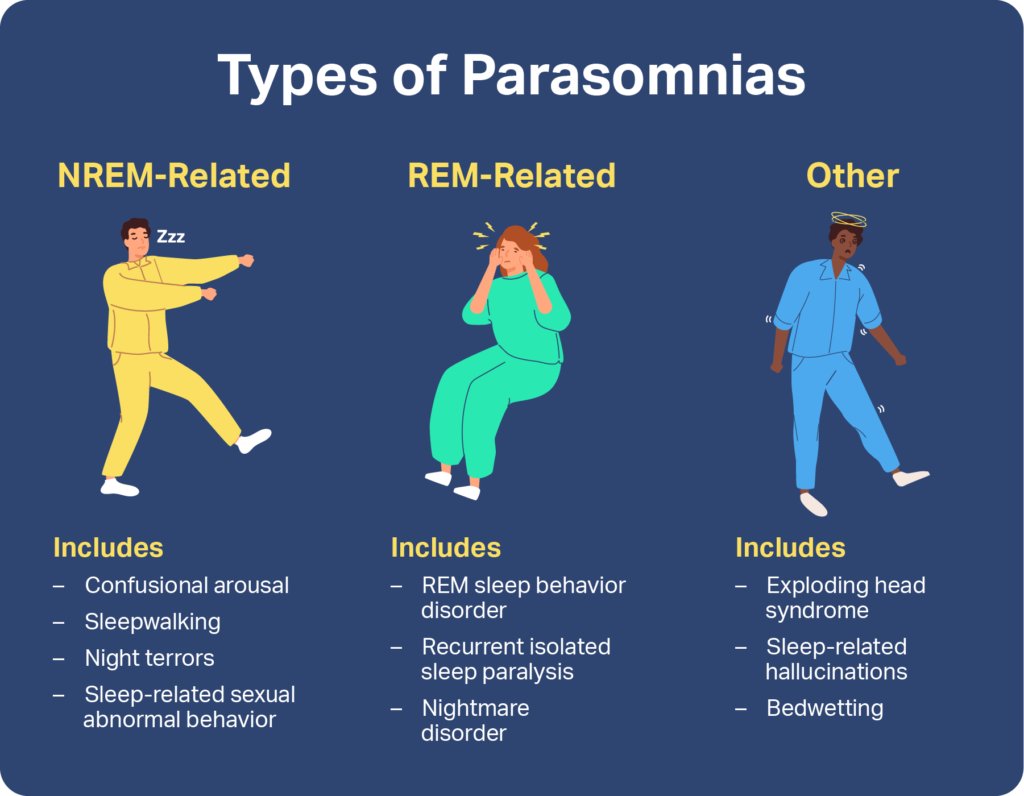
Sleepwalking, also known as somnambulism, is a parasomnia disorder characterized by complex behaviors performed during sleep, typically during the deep stages of NREM (non-rapid eye movement) sleep. Stress can disrupt the normal sleep patterns and trigger sleepwalking episodes. The heightened state of arousal caused by stress may increase the occurrence of sleepwalking and make it more intense.
Night terrors, on the other hand, are intense episodes of fear or terror that occur during sleep, usually within the first few hours of falling asleep. They often involve screaming, sweating, and a sense of fear or panic. Stress can act as a major catalyst for night terrors, making them more frequent and intense. Individuals with high levels of stress are more likely to experience these disruptive episodes, which can further impact their overall sleep quality.

Sleepwalking
Definition and Symptoms
Sleepwalking, or somnambulism, is a sleep disorder characterized by complex motor behaviors performed during sleep, usually during the deepest stage of NREM sleep. People who sleepwalk are often unaware of their actions and may engage in activities such as walking, talking, or even driving a car while still asleep.
Common symptoms of sleepwalking include getting out of bed and walking around the house, performing routine tasks like dressing or eating while asleep, and having a blank or glassy-eyed expression. In some cases, sleepwalkers may even exhibit aggressive or violent behaviors.
Causes of Sleepwalking
The exact cause of sleepwalking is not fully understood, but several factors may contribute to its development. Genetics seems to play a role, as sleepwalking tends to run in families. Other contributing factors may include sleep deprivation, irregular sleep schedules, and certain medications.
Relationship between Stress and Sleepwalking
Stress can be a significant trigger for sleepwalking episodes. When you are under stress, your body and mind are more prone to disruptions in sleep, leading to an increased risk of sleepwalking. Stressful life events, such as exams, job pressure, or relationship issues, can elevate stress levels and make sleepwalkers more susceptible to sleepwalking episodes.
Furthermore, the heightened arousal caused by stress can interfere with the regulation of sleep stages, increasing the likelihood of entering deep sleep stages where sleepwalking commonly occurs. The interplay between stress and sleepwalking can create a vicious cycle, as sleepwalking itself can be stressful and lead to further sleep disruptions and heightened stress levels.
Treatment and Management of Sleepwalking
If you or someone you know experiences sleepwalking, there are measures that can be taken to manage and reduce the frequency of episodes. Maintaining a consistent sleep schedule, ensuring a relaxing sleep environment, and implementing stress reduction techniques can be effective in managing sleepwalking.
Addressing underlying stressors through methods like therapy, exercise, and relaxation techniques can also help alleviate stress-related sleepwalking. In some cases, medication may be prescribed to manage sleepwalking, especially when it poses a risk to the individual’s safety.

Night Terrors
Definition and Symptoms
Night terrors, also known as sleep terrors, are intense episodes of fear or terror that occur during sleep, usually within the first few hours of falling asleep. Unlike nightmares, which occur during REM (rapid eye movement) sleep and are often remembered, night terrors occur during NREM sleep and are typically not recalled upon awakening.
Signs and symptoms of night terrors include sudden awakening with a loud scream or cry, rapid heart rate and breathing, intense fear or panic, and a state of confusion. These episodes can last anywhere from a few minutes to half an hour, leaving individuals feeling exhausted and anxious upon waking.
Causes of Night Terrors
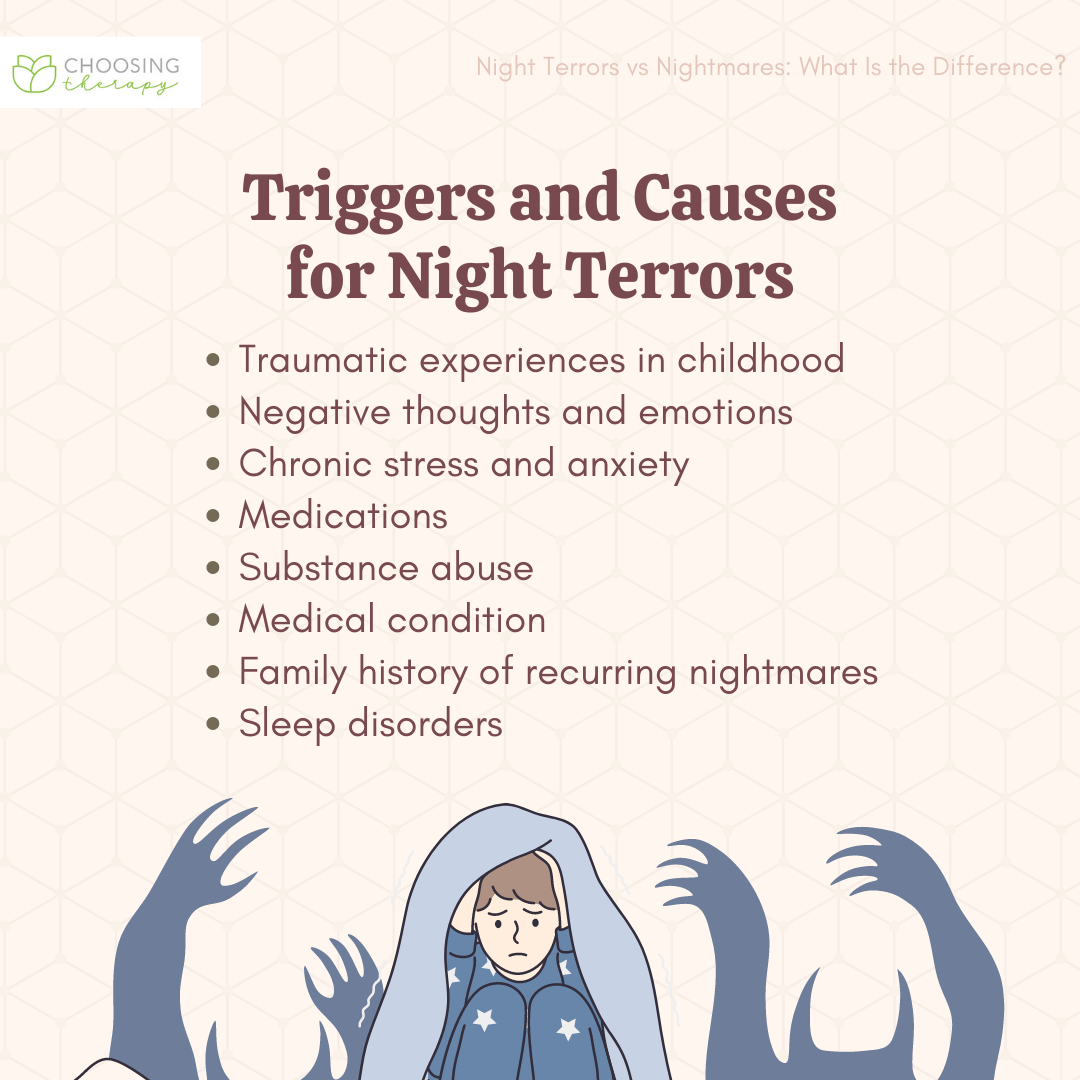
Night terrors are still not fully understood, but several factors can contribute to their occurrence. They often tend to be more common in children than adults, with the condition typically improving as they grow older. Genetics may also play a role, as individuals with a family history of sleep terrors are more likely to experience them.
Other potential triggers for night terrors include sleep deprivation, irregular sleep patterns, fever or illness, and certain medications. Stress, in particular, can significantly exacerbate the occurrence and severity of night terrors.
Relationship between Stress and Night Terrors
Stress is known to be a significant contributing factor in the development and worsening of night terrors. When you are under stress, your body’s stress response mechanisms can disrupt the normal sleep cycle and trigger night terror episodes. The heightened state of arousal caused by stress can make these episodes more intense and frequent.
Additionally, individuals experiencing high levels of chronic stress may have a harder time managing emotions and regulating their nervous system, increasing the likelihood of experiencing night terrors. The presence of underlying stress can also make it more challenging to recover from these episodes, as the fear and anxiety associated with night terrors can further contribute to stress levels.
Treatment and Management of Night Terrors
While night terrors can be distressing, there are strategies that can help manage and reduce their occurrence. Establishing a consistent bedtime routine, ensuring a relaxing sleep environment, and prioritizing good sleep hygiene can be beneficial in reducing the frequency and intensity of night terror episodes.
Addressing underlying stress through stress management techniques, such as mindfulness practices or therapy, can also aid in managing night terrors. If sleep deprivation or irregular sleep patterns are contributing to night terrors, making necessary adjustments to ensure adequate sleep can be helpful.
It is important to consult with a healthcare professional if night terrors persist or significantly impact your quality of life. They can provide further guidance, evaluate any underlying issues, and recommend appropriate treatment options tailored to your specific needs.
In conclusion, stress and sleep disorders such as sleepwalking and night terrors are closely interconnected. Understanding the relationship between stress and these disorders can help individuals develop effective strategies to manage and alleviate their symptoms. By addressing stress levels and implementing healthy sleep practices, it is possible to break the cycle and achieve better sleep quality, thus promoting overall well-being. Remember, taking care of your mental and physical health should always be a priority, and seeking professional help is crucial if needed.