

Activities For Anxiety Management
Have you ever felt overwhelmed by anxious thoughts or feelings and wondered how to find peace in the chaos? You’re certainly not alone.
Many people experience anxiety, but the good news is that there are numerous activities you can incorporate into your daily life to help manage those feelings. Here’s a closer look at some practical activities you might consider.
Understanding Anxiety Management
Before getting into specific activities, it’s helpful to understand what anxiety is and why managing it is essential. Anxiety can manifest in various forms, including stress, excessive worry, or panic attacks, and it often arises from a combination of environmental and genetic factors.
Management isn’t about eliminating anxiety; instead, it’s about finding ways to cope with it effectively so that it doesn’t interfere with your daily life.
The Importance of Management Techniques
When you learn how to manage anxiety, you can improve your overall mental health and well-being. Techniques can help calm racing thoughts, reduce physical symptoms, and regain control over your life. Adopting healthy habits allows you to navigate challenges and stressful situations better and with a clearer mind.
Physical Activities
One of the most effective ways to alleviate anxiety is through physical activities. These activities can help release endorphins, which are natural mood lifters.
Exercise
Regular exercise is one of the best things you can do for your body and mind. Whether it’s a brisk walk, cycling, swimming, or lifting weights, physical activities help reduce stress levels significantly.
Benefits of Exercise
- Mood Enhancement: Exercise stimulates the production of endorphins, improving overall mood.
- Increased Resilience: Regular activity can make your body more resilient to stress.
- Better Sleep: Physical exertion can improve sleep quality, crucial in anxiety management.
Yoga
Yoga is another excellent practice that combines physical movement, breath control, and meditation. It’s particularly beneficial for reducing tension in the body.
How Yoga Helps
- Mindfulness: Yoga encourages being present in the moment, which can ground you when feelings of anxiety arise.
- Flexibility: Poses and stretches help release physical tension accompanying anxiety.
- Breath Control: Focusing on breathing can calm your mind and body.
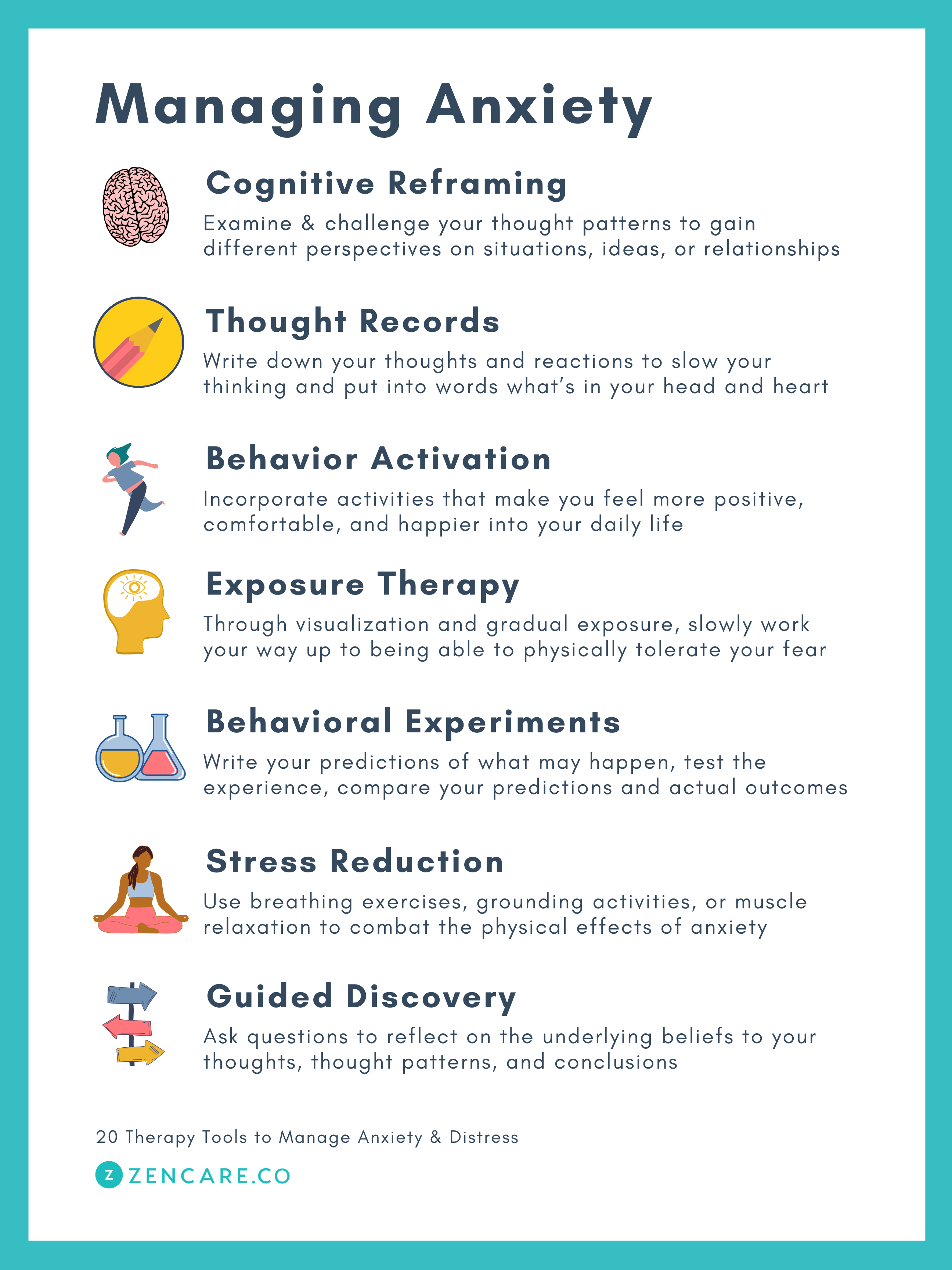
Mindfulness and Relaxation Strategies
In addition to physical activities, incorporating mindfulness and relaxation strategies into your routine can significantly help manage anxiety.
Meditation
Meditation has long been regarded as a powerful tool for reducing anxiety. You can cultivate a greater sense of peace by focusing your mind and eliminating distractions.
Types of Meditation
- Guided Meditation: Following a voice that guides you can make it easier, especially for beginners. Apps and online platforms offer many options.
- Mindfulness Meditation: This practice encourages you to observe thoughts without judgment, allowing you to experience them without becoming overwhelmed.
Deep Breathing
Practicing deep breathing techniques can quickly alleviate acute anxiety symptoms. Focusing on your breath helps center your thoughts.
Techniques to Try
- 4-7-8 Breathing: Inhale for a count of four, hold for seven, and exhale for a count of eight. Repeat this cycle a few times.
- Box Breathing: Inhale for a count of four, hold for four, exhale for four, and hold for four again, creating a box pattern.
Progressive Muscle Relaxation
This relaxation technique involves tensing and relaxing different muscle groups throughout the body. It can help you become more aware of physical sensations and release the tension that often accompanies anxiety.
How to Practice
- Start with Your Feet: Tense your foot muscles for five seconds, then relax them.
- Move Up the Body: Continue this pattern through your calves, thighs, abdomen, chest, arms, and face, finishing with your forehead.
Creative Outlets
Engaging in creative activities can be an effective way to express emotions and find relief from anxiety.
Art Therapy
Creating art, whether painting, drawing, or engaging in crafts, can be therapeutic. It allows you to express feelings that may be hard to articulate.
Benefits
- Self-Expression: Art can help you put your emotions into a tangible form.
- Focus: Concentrating on the creative process can distract you from anxious thoughts.
Writing
Keeping a journal or writing can help you process your feelings, clarify your thoughts, and track your progress in managing anxiety.
Types of Writing
- Journaling: Document your daily feelings, experiences, and challenges.
- Expressive Writing: Create stories or poems representing your emotions and thoughts.
Music
Listening to or creating music can also be an effective way to relieve stress. Music has been shown to influence mood and lower anxiety levels.
Ways to Enjoy Music
- Listening: Create playlists of your favorite calming songs to listen to during moments of stress.
- Playing an Instrument: If you play an instrument, dedicate time to making music, which can be fun and a great release.

Social Activities
Connecting with others and sharing experiences can be incredibly beneficial for anxiety management.
Talking with Friends
Reaching out to friends or family can offer emotional support. Sharing your feelings with someone you trust can help alleviate anxiety.
Tips for Connecting
- Schedule Regular Catch-Ups: Make it a point to connect regularly, whether through phone calls, texts, or meet-ups.
- Join Groups: Engage in social groups or activities to meet new people and form connections.
Support Groups
Participating in a support group can provide a platform for sharing experiences and hearing from those facing similar challenges.
Advantages of Support Groups
- Shared Experiences: Hearing others’ stories can help you feel less alone.
- Resource Sharing: Participants often share coping strategies and resources to help manage anxiety.
Routine Activities
Establishing a consistent daily routine can help provide structure and predictability, which can be comforting when anxiety strikes.
Daily Scheduling
Creating a daily schedule can help manage time effectively and reduce feeling overwhelmed.
Steps to Build Your Routine
- Prioritize Tasks: List what needs to be done and prioritize your daily tasks.
- Include Breaks: Schedule short breaks between tasks to recharge.
Healthy Eating
Nutrition plays a key role in mental health. Consuming a balanced diet can positively affect your mood.
Foods to Incorporate
| Food Group | Benefits |
|---|---|
| Fruits and Vegetables | Rich in vitamins and antioxidants |
| Lean Proteins | Stabilizes blood sugar levels |
| Whole Grains | Provides energy for brain health |
| Omega-3 Fatty Acids | Reduces symptoms of anxiety |
Sleep Hygiene
Quality sleep is vital for managing anxiety. Establishing good sleep habits helps ensure you’re well-rested.
Tips for Better Sleep
- Create a Sleep Schedule: Go to bed and wake up simultaneously every day.
- Limit Screen Time: Reduce exposure to screens an hour before bedtime to help your brain unwind.

Nature Activities
Earthing or spending time in nature can also be an effective way to manage anxiety and promote overall wellness.
Nature Walks
Walking in a natural environment can help clear your mind and enhance your mood. The combination of fresh air and natural surroundings can do wonders for anxiety.
Benefits of Nature Walks
- Calming Effect: Exposure to green spaces can reduce stress levels.
- Mindfulness: Focusing on your surroundings can bring you back to the present moment.
Gardening
If you have space, gardening can be a therapeutic activity. It allows you to connect with nature and nurture plants.
Why Gardening Helps
- Physical Activity: It provides light exercise.
- Sense of Accomplishment: Watching plants grow can instill a sense of achievement.
Tech-Based Solutions
In today’s digital age, many technological resources are available that can assist you in managing anxiety effectively.
Apps for Anxiety Management
Various apps are designed to help you practice mindfulness, track your mood, and learn coping strategies.
Recommended Apps
| App | Features |
|---|---|
| Headspace | Guided meditations and mindfulness exercises |
| Calm | Sleep stories, meditation, and relaxation music |
| Moodfit | Mood tracking and mental health resources |
Online Therapy
If you prefer remote support, online therapy platforms let you connect with licensed therapists through your computer or smartphone.
Benefits of Online Therapy
- Convenience: Access therapy from the comfort of your home.
- Flexibility: Choose times that fit your schedule.
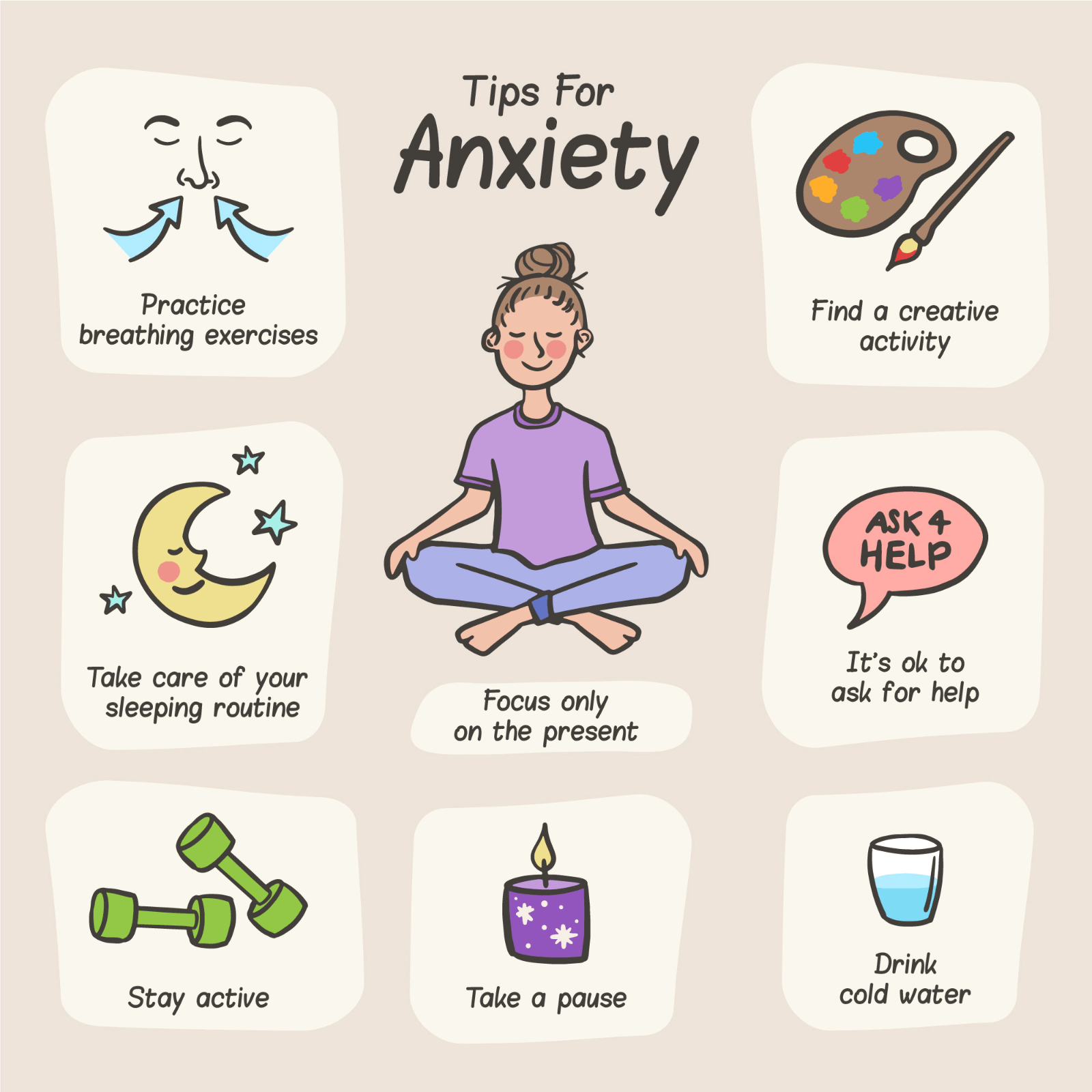
Managing anxiety is a journey that requires patience and practice. By integrating various activities, such as exercise, mindfulness, creative outlets, social interactions, and healthy routines, you can discover what works best for you.
Remember, it’s about finding balance and developing coping strategies that fit seamlessly into your life. You deserve to feel calm and confident in your ability to handle stress. Embrace the journey, and take each step at your own pace.
Related Topics About Activities For Anxiety Management
Activities For Anxiety Therapy,
Activities To Reduce Anxiety,
Anti Anxiety Activities,
Anxiety Help Activities,
Anxiety Management Activities,
Anxiety Management Activities For Adults,
Anxiety Management Activities For Kids,
Anxiety Relief Activities,
Exercises For Managing Anxiety,
Group Activities For Anxiety Management
==========
Content 10/10/G